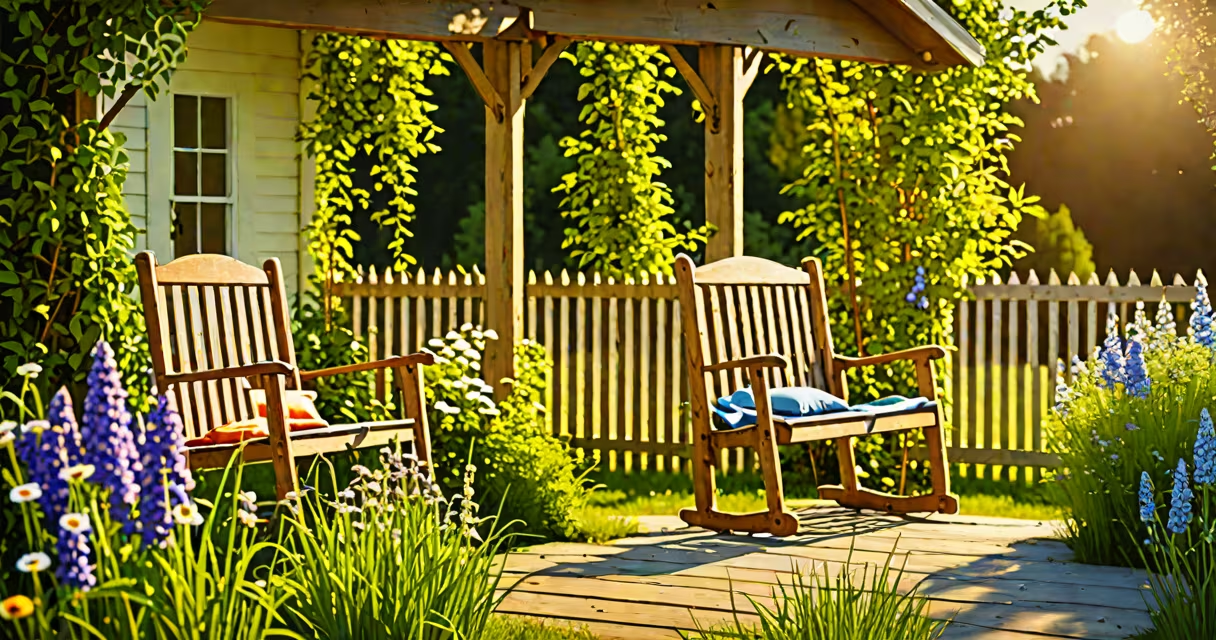
Cottage core style is a visual and emotional aesthetic centered on rural tranquility, handmade craftsmanship, and a deep connection to nature. It draws from 19th-century English countryside ideals, rural domesticity, and nostalgic memories of simpler living. The style thrives on imperfection, natural textures, and seasonal rhythms.
It emerged prominently in online communities around 2020, especially on platforms like TikTok and Instagram, where users shared images of flower-filled gardens, hand-stitched quilts, and meals cooked over wood stoves. Unlike curated minimalism or sleek modernism, cottage core embraces cluttered charm-stacked books, drying herbs, mended curtains.
According to the Oxford English Dictionary, "cottage" in this context refers to "a small country house," often associated with idyllic isolation and self-sufficiency. The term "core" implies a cultural movement, not just a design trend. This style isn't about authenticity in the historical sense-it's about evoking feeling. It's a reaction to digital overload, urban stress, and fast consumption.
At its heart, cottage core operates through sensory immersion. It prioritizes tactile experiences-rough linen, warm wool, damp soil under fingernails-and seasonal cycles. A cottage core space doesn't follow a single theme; it accumulates meaning through use, memory, and care.
For example, a kitchen might feature mismatched ceramic mugs, a chipped enamel pot, and a jar labeled "dried lavender - for tea & sleep." These aren't decorative props-they're functional objects with stories. The style values repair over replacement: a torn apron patched with scraps, a door handle replaced with a carved wooden knob.
Sound matters too. The hum of a refrigerator in a stone-walled kitchen, the crackle of a fire, the rustle of leaves outside a window-all contribute to the atmosphere. As writer and cultural critic Mimi Zhu notes in her book *The Slow Life*, "Cottage core isn't about escaping modernity-it's about slowing it down."
Cottage core relies on natural materials and time-worn finishes. Common elements include:
Colors lean toward soft, unbleached palettes. Think cream, sage, terracotta, and faded denim. Bright neon or chrome are absent. Even lighting favors candlelight, lanterns, or low-wattage bulbs that cast a golden glow.
Fashion in this style uses layered silhouettes: long skirts, cardigans, lace-trimmed blouses, and sturdy boots. Fabrics are cotton, wool, or hemp-natural, breathable, and prone to wrinkling. A typical outfit might include a floral dress with a denim apron, worn leather shoes, and a woven hat.
| Element | Cottage Core | Common Misconception |
|---|---|---|
| Style Origin | Rooted in British rural tradition, early 20th-century gardening, and 1970s craft revival | Often mistaken as purely Japanese or Scandinavian-though those cultures have similar values, they don't define the aesthetic |
| Functionality | Objects serve daily life: cooking, growing food, mending clothes | Some assume it's performative-"aesthetic only"-but real cottage core spaces are lived-in and used |
| Modern Relevance | Used to counter digital fatigue, consumerism, and anxiety | Not a rejection of technology-many users grow vegetables via apps, track seasons with calendars, share photos online |
Cottage core style appears in homes, social media, fashion, and even mental wellness practices. It's not limited to rural settings-urban dwellers adapt it by growing herbs on balconies, using thrifted linens, or creating "slow mornings" rituals.
A 2022 study by the University of Sussex found that people who engaged with nature-based aesthetics like cottage core reported lower cortisol levels during stressful periods. Participants described the style as "calming," "grounding," and "a form of resistance to burnout."
One example: a Brooklyn apartment transformed into a cottage core space. The resident, a graphic designer, painted walls in soft beige, hung a handmade quilt over a bed, and placed a small herb garden on the windowsill. She uses a wooden spoon for stirring soup, keeps a journal filled with pressed flowers, and lights a beeswax candle every evening. "It's not about being perfect," she told me during a visit. "It's about making space for stillness."
The style also influences product design. Brands like Etsy report a 40% increase in searches for "handmade cottage core" between 2021 and 2023. Items such as embroidered tea towels, hand-carved spoons, and vintage-style aprons sell out quickly during spring and fall.
Cottage core is often mistaken for "coastal grandma," "Scandinavian minimalism," or "farmhouse chic." But these differ.
Coastal grandma emphasizes clean lines, neutral colors, and beachy accessories-think seashells, wicker chairs, and pastel towels. It's about vacation vibes, not daily life.
Scandinavian minimalism focuses on function, light, and space. It avoids ornamentation and favors white walls, flat-pack furniture, and geometric shapes. Cottage core, by contrast, embraces clutter, color, and texture.
Farmhouse chic leans into industrial touches-exposed brick, metal fixtures, shiplap walls. It's aspirational, often staged for photography. Cottage core is intimate, lived-in, and quietly defiant of perfection.
One key difference: cottage core is not about status. You don't need a large yard or a restored 18th-century cottage to practice it. A single potted rose on a fire escape counts. A handwritten recipe card taped to a fridge door qualifies.
As cultural anthropologist Dr. Lila Chen wrote in *Journal of Domestic Culture* (2023), "Cottage core is not a return to the past-it's a reimagining of care. It's the idea that beauty lies in the act of tending, not just in the result."
Cottage core style isn't a trend to follow-it's a way of seeing. It asks you to slow down, notice the small things, and find dignity in everyday acts: boiling water, mending a seam, planting seeds. It's not about escaping reality. It's about finding peace within it.
Whether you live in a city apartment or a countryside cottage, you can adopt this mindset. The goal isn't to replicate a fantasy-it's to cultivate presence. That's what makes it enduring.
Understanding what is cottage core style means recognizing it as a quiet rebellion against speed, noise, and artificiality. It's a return to the handmade, the seasonal, the shared meal, the firelight. It's not just a look-it's a feeling.