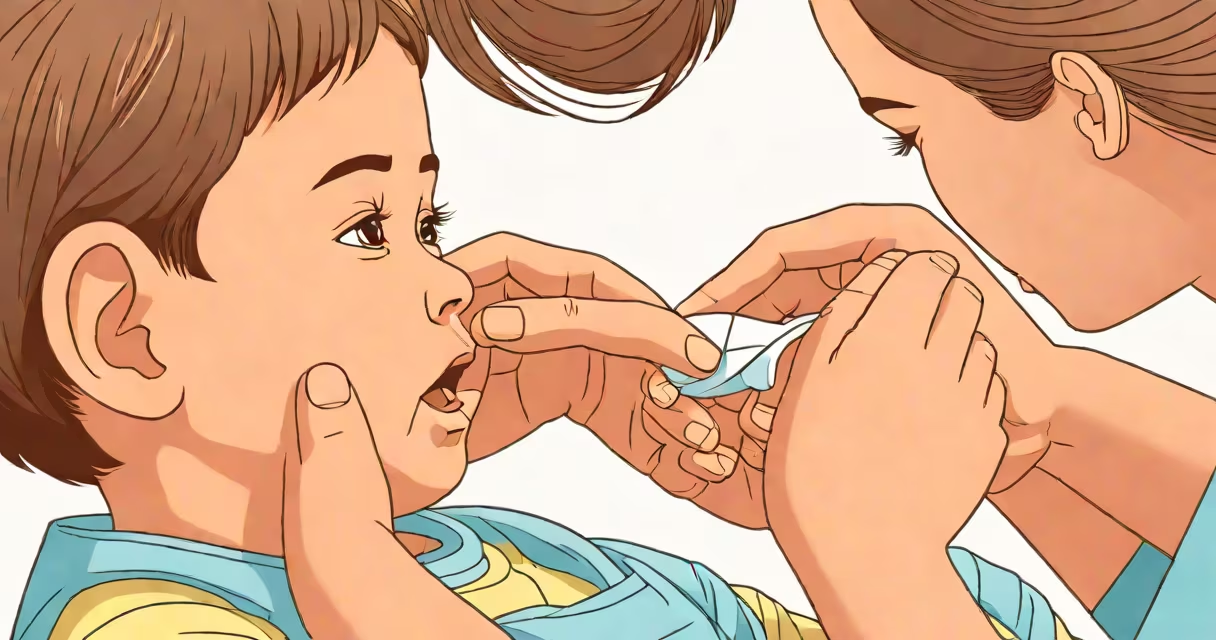
An ear infection is an inflammation or fluid buildup in the middle ear, often caused by bacteria or viruses following a cold or allergies. It typically causes pain, pressure, hearing loss, and sometimes fever. Most cases resolve within 3-7 days with proper care, though some require antibiotics.
Ear infections occur when the Eustachian tube-connecting the middle ear to the back of the throat-fails to drain fluid properly. This creates a breeding ground for pathogens. The most common type is acute otitis media, affecting about 75% of children under five at least once. Adults experience it less frequently but still face risks, especially during seasonal respiratory outbreaks.
Proper care reduces discomfort, prevents complications like eardrum rupture or chronic fluid buildup, and supports recovery. Treatment depends on the cause: viral infections usually improve without medication, while bacterial ones may need antibiotics. Self-care measures such as pain relief, hydration, and rest play a key role in managing symptoms.
The middle ear lies behind the eardrum and connects to the throat via the Eustachian tube. When this tube swells due to infection or congestion, it traps fluid. Pressure builds, stretching the eardrum and causing sharp pain. Fluid also interferes with sound transmission, leading to temporary hearing loss.
Children are more vulnerable because their Eustachian tubes are shorter, flatter, and more horizontal-making drainage harder. This explains why ear infections peak between 6 months and 3 years of age. In adults, risk increases during cold season or if they have allergies, sinus issues, or smoke regularly.
A 2021 study published in JAMA Pediatrics found that 80% of uncomplicated pediatric ear infections resolved within seven days without antibiotics. This supports a "watchful waiting" approach for mild cases, reserving antibiotics for persistent or severe symptoms.
Two main types exist: viral and bacterial. Viral infections account for roughly 70% of cases and often follow upper respiratory infections. They typically last 3-5 days and resolve on their own. Symptoms include mild to moderate pain, low-grade fever, and temporary hearing muffledness.
Bacterial infections are less common but more likely to lead to complications. They often develop after a viral illness when trapped fluid becomes infected. Signs include intense pain, high fever (over 102°F/39°C), pus draining from the ear, or prolonged symptoms beyond 48 hours. These cases may require prescription antibiotics.
| Type | Prevalence | Common Symptoms | Treatment Approach |
|---|---|---|---|
| Viral | ~70% | Mild pain, low fever, muffled hearing | Supportive care, pain relief |
| Bacterial | ~30% | Severe pain, high fever, discharge, prolonged symptoms | Antibiotics if confirmed |
One common misconception is that all ear infections require antibiotics. The American Academy of Pediatrics (AAP) states that antibiotics are unnecessary in 70% of cases and increase the risk of antibiotic resistance. Overuse contributes to 2 million antibiotic-related adverse events annually in the U.S., according to the CDC.
Pain management is the priority. Over-the-counter acetaminophen (Tylenol) or ibuprofen (Advil) reduce pain and fever effectively. Dosing should follow label instructions based on weight and age. For children under 6 months, consult a doctor before giving any medication.
Warm compresses applied to the outer ear can ease pressure. Use a clean cloth soaked in warm (not hot) water, wrung out, and held against the ear for 10-15 minutes. This improves blood flow and reduces swelling. Avoid heating pads or direct heat sources to prevent burns.
Staying hydrated helps thin mucus and supports immune function. Drink water, clear broths, or electrolyte solutions. Avoid caffeine and alcohol, which dehydrate. Elevating the head while sleeping reduces pressure and pain, especially at night.
One non-obvious tip: avoid lying flat. A 2019 clinical trial showed that patients who slept with their heads elevated reported 30% less nighttime pain compared to those lying flat. Use extra pillows or a wedge pillow to maintain a 30-degree incline.
See a healthcare provider if pain lasts more than 48 hours, fever exceeds 102.2°F (39°C), fluid drains from the ear, hearing doesn't return within a week, or symptoms recur frequently. Recurrent infections-defined as three episodes in six months or four in a year-may indicate structural issues or immune concerns.
Children under 6 months with any ear infection signs should be evaluated promptly. Infants cannot communicate pain, and untreated infections can lead to permanent hearing damage or speech delays. The AAP recommends evaluation within 24 hours for infants under 6 months with fever and ear symptoms.
If a doctor prescribes antibiotics, complete the full course-even if symptoms improve. Stopping early allows surviving bacteria to regrow and develop resistance. For example, amoxicillin is the first-line antibiotic for bacterial ear infections, prescribed at 50 mg/kg/day divided twice daily for 5-7 days.
After diagnosis, follow up in 1-2 weeks to confirm resolution. Persistent fluid behind the eardrum (otitis media with effusion) may require monitoring or referral to an ENT specialist. In rare cases, tympanostomy tubes (ear tubes) are placed to drain fluid and prevent recurrence.
Using cotton swabs to clean the ear canal is dangerous. Swabs push wax deeper and can puncture the eardrum. The ear cleans itself naturally through wax migration. Only clean the outer ear with a damp cloth.
Another error is assuming ear drops work for all types. Ototoxic drops like corticosteroids or antiseptics are only safe for intact eardrums. If the eardrum is perforated, drops can enter the middle ear and cause dizziness or hearing loss. Always check with a doctor before using any drops.
I once treated a patient who used garlic oil drops for a suspected ear infection. The pain worsened. Upon examination, the eardrum was inflamed and the fluid had increased. Garlic oil can irritate mucous membranes and delay healing. Natural remedies aren't always safe without medical guidance.
Recovery takes 3-7 days. Monitor for lingering hearing changes. If hearing doesn't return within a week, see a doctor. Repeated infections may require allergy testing or evaluation for enlarged adenoids.
To prevent future infections, practice good hygiene: wash hands frequently, avoid secondhand smoke, and treat colds early. Breastfeeding for at least 6 months lowers infant ear infection rates by 30%, per a 2020 study in Frontiers in Pediatrics.
Knowing how to take care of an ear infection involves recognizing symptoms, avoiding harmful practices, and knowing when to act. Most cases improve with rest, pain relief, and hydration. Antibiotics are not routine. Early intervention prevents complications and supports faster healing.