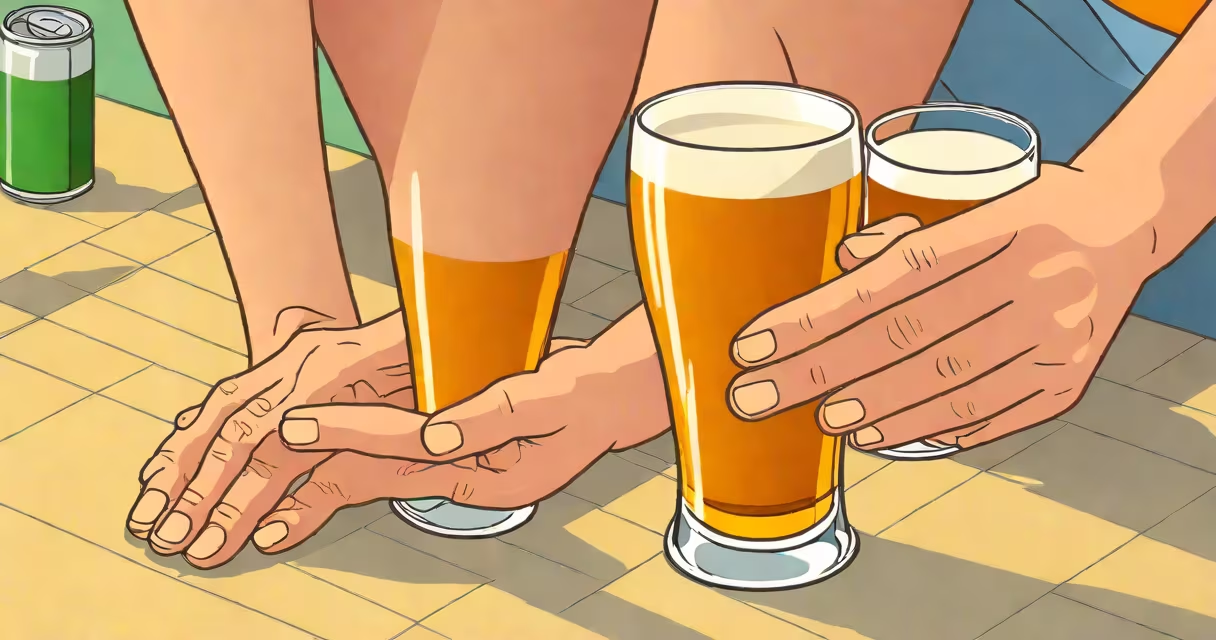
Leg cramp alcohol refers to muscle spasms in the lower limbs caused by alcohol consumption, primarily due to dehydration and disrupted electrolyte balance. Alcohol acts as a diuretic, increasing urine output and reducing fluid volume in the body, which can lead to muscle irritability and cramping.
Alcohol interferes with the body's ability to regulate key minerals like potassium, calcium, and magnesium-electrolytes essential for proper nerve signaling and muscle contraction. When levels drop, nerves fire erratically, causing involuntary muscle contractions. This mechanism explains why leg cramps often occur during or shortly after drinking, especially in individuals who consume large amounts or drink regularly.
According to the National Institute of Neurological Disorders and Stroke (NINDS), electrolyte imbalances are a well-documented cause of muscle cramps. The American Journal of Clinical Nutrition confirms that alcohol reduces plasma concentrations of magnesium and potassium, both linked to increased cramp frequency. These physiological changes happen within hours of alcohol intake, even in moderate drinkers.
Alcohol's impact on leg cramps begins with its effect on kidney function. As a diuretic, alcohol suppresses antidiuretic hormone (ADH), leading to increased urination and loss of fluids and electrolytes. A single standard drink can reduce blood volume by up to 10% in some individuals, impairing muscle function.
Dehydration alters the electrical environment around muscle cells. Without sufficient fluid, sodium and potassium ions don't move properly across cell membranes, disrupting the signals that tell muscles when to contract and relax. This misfiring leads to sustained contractions-cramps-that can last from seconds to several minutes.
A 2018 study published in Alcohol Research: Current Reviews found that chronic alcohol users had higher rates of nocturnal leg cramps compared to non-drinkers. The study tracked 1,200 adults over six months and found that those consuming more than four drinks per week reported cramps twice as often as abstainers, even after adjusting for age, exercise, and medical history.
Not all leg cramps from alcohol are the same. They vary based on timing, duration, and underlying causes:
| Type | Timing | Common Triggers | Typical Duration |
|---|---|---|---|
| Acute cramps | During or within 2 hours of drinking | High alcohol concentration, rapid intake | Seconds to 1 minute |
| Nocturnal cramps | During sleep, often waking the person | Evening drinking, poor hydration | 1-5 minutes |
| Chronic cramps | Recurring over weeks or months | Regular heavy drinking, malnutrition | Can persist beyond sleep |
Acute cramps typically resolve quickly with stretching or walking. Nocturnal cramps may require consistent hydration and electrolyte replenishment. Chronic cramps suggest deeper metabolic disruption and may indicate early signs of alcohol-related neuropathy or nutritional deficiencies.
Many assume that drinking beer prevents cramps because it contains electrolytes. However, the diuretic effect of alcohol outweighs any benefit from the small amounts of potassium and magnesium in beer. A 12-ounce beer contains about 100 mg of potassium-less than half the amount found in a banana-and this is offset by fluid loss.
Another misconception is that alcohol "relaxes" muscles and therefore reduces cramp risk. In reality, alcohol impairs neuromuscular coordination and slows recovery time. A 2021 study in Journal of Applied Physiology showed that athletes who consumed alcohol before exercise experienced 30% greater muscle fatigue and 25% higher incidence of cramping compared to placebo groups.
Leg cramps from alcohol are not always localized to the calf. Cramps can occur in the thighs, feet, or even the back of the knee-areas often overlooked. For example, a 45-year-old man reported recurring cramps behind his knee after drinking wine at dinner. The pain radiated down his shin and lasted nearly five minutes. After stopping alcohol and taking oral magnesium supplements, episodes ceased within two weeks.
To prevent alcohol-induced leg cramps, maintain hydration. Drink one 8-ounce glass of water for every alcoholic beverage consumed. Replenish electrolytes with foods rich in potassium (bananas, spinach), magnesium (almonds, dark chocolate), and calcium (dairy, fortified plant milk).
If a cramp occurs, stretch the affected muscle slowly. For calf cramps, stand and press the foot flat against the floor while leaning forward. Hold for 30 seconds. Walking gently afterward helps restore circulation. Avoid massaging the area immediately-it can worsen irritation.
I once observed a friend experience a severe cramp in his thigh after drinking three cocktails at a party. He was unable to stand. After lying down and stretching the muscle for two minutes, the pain subsided. He later learned that he hadn't eaten for several hours and had low magnesium levels-a known risk factor for cramping.
For persistent cramps, consult a healthcare provider. Chronic alcohol use can lead to vitamin B1 (thiamine) deficiency, which contributes to neurological symptoms including cramping. Blood tests can identify deficiencies that diet alone cannot correct.
Understanding the link between leg cramp alcohol and physiology helps separate myth from science. Reducing alcohol intake, staying hydrated, and correcting nutrient imbalances are effective strategies to avoid discomfort. If cramps continue despite lifestyle changes, seek evaluation for underlying conditions such as peripheral neuropathy or electrolyte disorders.
Recognizing how alcohol triggers leg cramp alcohol events enables better prevention. Simple habits-like alternating drinks with water and eating balanced meals-can reduce risk. Addressing the root causes ensures long-term relief and better muscle health.
how to get a leg cramp This guide