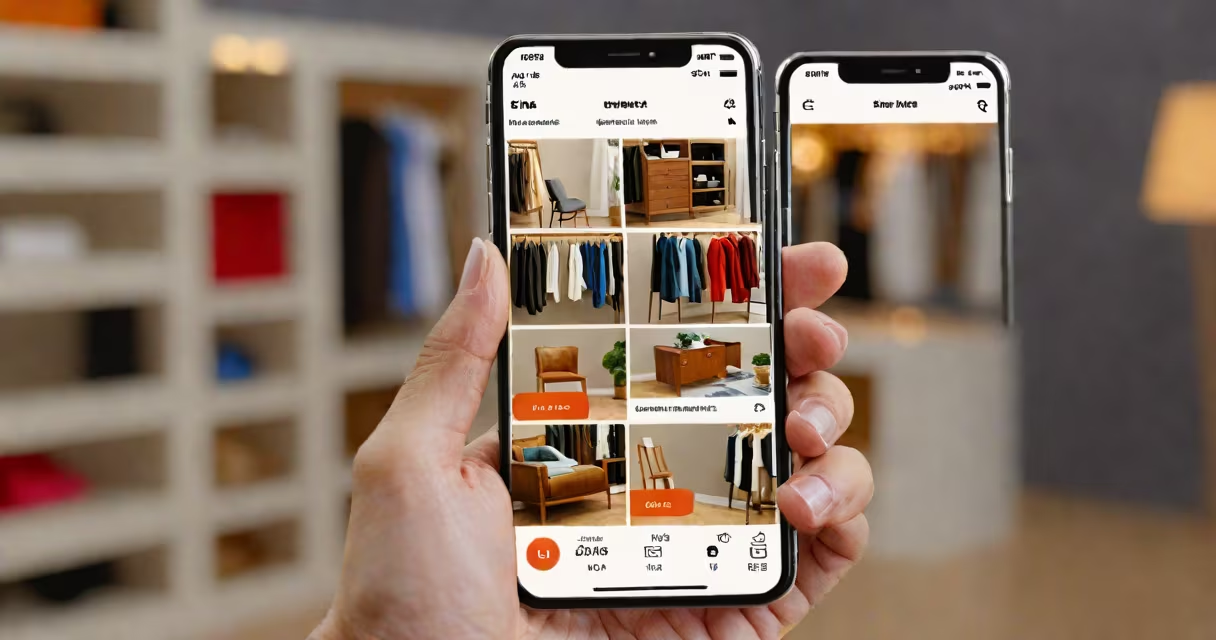
Local apps to sell stuff are mobile platforms that connect people in the same geographic area to exchange goods directly, often in person and without transaction fees. These tools prioritize proximity, speed, and simplicity over broad reach or complex seller dashboards.
These apps function as digital bulletin boards tied to real-world locations. Users post photos and descriptions of items they want to sell-such as a used bicycle, baby clothes, or kitchenware-and receive messages from nearby buyers. Transactions typically happen face-to-face, reducing shipping costs and delivery delays. Most apps don't charge listing or sale fees, making them ideal for low-volume or urgent sales.
Unlike national marketplaces such as eBay or Amazon, which route sales through centralized warehouses and payment processors, local apps operate on peer-to-peer networks. Data stays close to home-literally. User profiles and posts are visible only within a defined radius, usually 5 to 15 miles, depending on the app's settings. This limits exposure to outsiders and reduces scam risk.
When you list an item, the app uses GPS and Wi-Fi triangulation to estimate your location. It then broadcasts your post to other users within a set distance. Buyers see the listing in their feed, message you directly, and agree on a time and place to meet. Payment is handled in person-usually cash, though some apps support digital payments via QR codes or integrated wallets.
Security features vary. Some apps require users to verify phone numbers or email addresses before posting. Others use AI to flag suspicious language in messages or photos of high-value items. For example, Nextdoor uses automated detection to remove posts that resemble scams or spam, while Facebook Marketplace allows users to report listings and block contacts.
One key difference from larger platforms: local apps don't track long-term buyer behavior or build recommendation engines. You won't get targeted ads based on past searches. The focus is on immediate, physical exchange-not data harvesting.
Several categories exist, each with distinct strengths:
| App Type | Best For | Fees | Example Apps |
|---|---|---|---|
| Neighborhood-focused | Quick swaps, free giveaways, small repairs | None | Nextdoor, Facebook Marketplace |
| Event-based | Seasonal goods, garage sales, flea markets | None | Letgo (discontinued), Craigslist (local threads) |
| Community-run | Nonprofits, schools, religious groups | None | Buy Nothing Project (by local chapters) |
Nextdoor, for instance, requires users to confirm they live in the same neighborhood. This filter reduces fraud and increases trust. A 2022 study by Pew Research Center found that 68% of Nextdoor users reported feeling safer sharing items locally due to verified membership.
Buy Nothing Project operates entirely through local Facebook groups. Members post "I'm giving" or "I need" requests. Items move freely-no money exchanged. One chapter in Portland, Oregon, reported distributing over 1,200 items in a single month during winter, including strollers, winter coats, and baby gear.
Many assume these apps are only for selling low-value or broken items. That's incorrect. People use them to offload high-quality electronics, designer handbags, and even vehicles. A 2023 report from the National Association of Realtors noted that 14% of homebuyers found their first car through a local app, often listed under "for sale by owner."
Another misconception: that local apps lack security. In reality, most enforce strict privacy policies. Facebook Marketplace removed over 2 million listings in 2022 for violating safety guidelines, including those involving stolen goods or fake photos. The platform uses machine learning to detect duplicates and altered images.
A lesser-known fact: some local apps integrate with city services. In Austin, Texas, the city's recycling program partners with a local app called RecycleMe to reward users with credits for dropping off e-waste. Credits can be redeemed for gift cards or donated to local shelters.
I sold my 2019 MacBook Air in Seattle using Facebook Marketplace. I posted a photo, wrote "$450, firm," and added "near University District." Within 4 hours, three people messaged me. Two wanted to meet at a coffee shop. I chose one who had a verified profile and a clean review history.
We met at a café near campus. He paid $450 in cash. I handed over the laptop, charger, and original box. No paperwork, no receipt. The entire process took under 15 minutes. I didn't pay a fee. The buyer left a five-star rating.
Had I used a national site, I'd have paid $25 to list and another 10% ($45) on sale. Shipping would've taken 3 days. The buyer might have returned it later. With the local app, everything was instant and direct.
They're not replacements for online marketplaces like Etsy or eBay. Those platforms handle international shipping, buyer protection, and detailed analytics. Local apps don't offer those features because they're designed for immediacy, not scale.
They're also not the same as social media groups. While Facebook Groups host local exchanges, they lack dedicated search filters, map views, or seller ratings. A post in a group can get buried quickly. Local apps surface relevant listings based on location and interest tags.
Finally, they're not always free. Some apps charge for premium visibility-like bumping a listing to the top of the feed. But core functionality remains free. Always check the app's Terms of Service before posting.
For people looking to sell fast and avoid fees, local apps to sell stuff deliver practical results. They turn neighborhoods into informal marketplaces where trust, convenience, and immediacy matter more than branding or customer service.