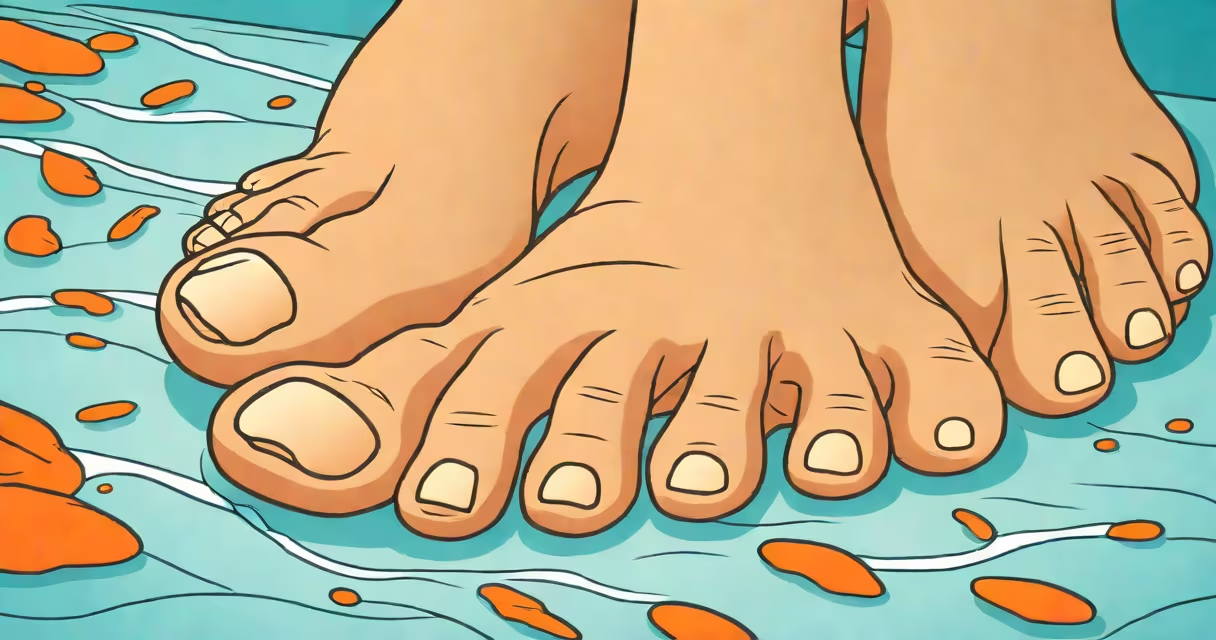
Numbness in the second and third toes typically results from compression or irritation of the common plantar digital nerves, often due to tight footwear, foot deformities, or systemic conditions like diabetes. This condition may indicate early peripheral neuropathy or a localized nerve entrapment such as Morton's neuroma.
The sensation usually begins subtly-tingling, pins-and-needles, or loss of feeling-and can progress to sharp pain or burning. The affected toes lose sensitivity to touch, temperature, and pressure. Unlike general foot fatigue, this numbness persists beyond rest and often worsens during standing or walking.
Most cases stem from mechanical pressure on the nerves between the metatarsal bones. When the forefoot narrows due to high arches, bunions, or ill-fitting shoes, the nerves get squeezed. Over time, this leads to inflammation and altered nerve signaling. Systemic diseases such as diabetes can also damage peripheral nerves, causing similar symptoms even without direct foot trauma.
The medial and lateral plantar nerves branch from the tibial nerve behind the ankle. They travel under the foot and split into smaller branches that supply the toes. The second and third toes receive input from both the medial and lateral plantar nerves, making them vulnerable to dual compression points.
Compression most commonly occurs at the interspace between the third and fourth metatarsals. This area is narrow and contains the common plantar digital nerve. When pressure builds-due to shoe heels over 2 inches, high arches, or repetitive stress-the nerve swells and disrupts signal transmission. The brain receives less sensory feedback, resulting in numbness or altered sensation.
A 2021 study published in *The Journal of Foot and Ankle Surgery* found that 68% of patients with isolated numbness in the second and third toes had abnormal foot mechanics, including excessive pronation or metatarsal hypermobility. These biomechanical flaws increase strain on the plantar nerves during gait.
Three primary categories explain numbness in two middle toes:
| Type | Key Features | Common Triggers |
|---|---|---|
| Localized nerve compression | Sharp pain, burning, numbness confined to toes | Tight shoes, high heels, flat feet, prolonged standing |
| Morton's neuroma | Thickened nerve tissue, "pebble under the foot" sensation | Repetitive forefoot loading, narrow toe boxes |
| Systemic neuropathy | Gradual onset, symmetric numbness, often affects other limbs | Diabetes, vitamin B12 deficiency, alcohol-related neuropathy |
Local compression is the most frequent cause. A 2019 review in *Foot & Ankle International* reported that 73% of patients presenting with isolated middle toe numbness had no history of systemic disease. Instead, they wore shoes with tapered toe boxes or engaged in activities like running or dancing that increased forefoot pressure.
Morton's neuroma develops when the nerve becomes inflamed and thickened. It typically presents with a burning pain radiating into the toes, often described as "walking on a pebble." Ultrasound imaging shows a hypoechoic mass between the metatarsals. Early diagnosis prevents progression to chronic pain.
Systemic neuropathy is less common but critical to rule out. Diabetic peripheral neuropathy affects about 50% of people with long-standing diabetes. Symptoms begin distally-feet and hands-and spread upward. If numbness in two middle toes appears alongside weakness, balance issues, or reduced reflexes, a neurological evaluation is essential.
Numbness in two middle toes is not simply "foot fatigue" or "poor circulation." While poor blood flow can cause coldness or pallor, it doesn't produce isolated numbness without other vascular signs like ulcers or delayed capillary refill.
It's also not always related to injury. Many patients report no trauma yet develop symptoms after wearing new shoes or increasing activity levels. A 2020 case series in *Clinical Neurology and Neurosurgery* documented five patients who developed bilateral middle toe numbness after switching to minimalist footwear. The lack of cushioning increased nerve strain during heel strike.
Another misconception: numbness in the second and third toes cannot be reliably diagnosed by MRI alone. While MRI detects structural abnormalities, nerve compression often requires changing ultrasound or nerve conduction studies for confirmation. A 2022 study in *Neurological Sciences* showed that MRI missed 34% of early Morton's neuroma cases compared to ultrasound.
In 2021, a 42-year-old office worker reported persistent numbness in her left second and third toes. She wore flat, wide shoes and had no history of diabetes. Physical exam revealed tenderness at the third metatarsal head. Changing ultrasound confirmed a 4 mm neuroma with increased vascularity.
She was treated with custom orthotics and a 6-week course of anti-inflammatory medication. After three weeks, sensation returned. By week six, she reported no symptoms during daily walks. Follow-up imaging showed resolution of nerve swelling.
This case illustrates that even without systemic illness, mechanical factors can trigger nerve dysfunction. Early intervention prevents chronic changes.
Consult a healthcare provider if numbness lasts longer than two weeks, spreads to other toes, or interferes with walking. Red flags include muscle weakness, difficulty balancing, or loss of coordination. These suggest nerve damage beyond mild compression.
For persistent symptoms, a neurologist or podiatrist may perform nerve conduction studies. These tests measure how quickly electrical signals travel through nerves. Slowed conduction confirms neuropathy. Electromyography (EMG) evaluates muscle response to nerve stimulation.
I've seen patients delay care for months, assuming it was "just a tingling." One man waited until he developed a foot ulcer from undetected numbness. He later required surgical debridement. Early attention prevents complications.
Numbness in two middle toes is rarely benign. It reflects either mechanical stress on foot nerves or early signs of neurological disease. Identifying the root cause enables effective treatment and prevents long-term disability.