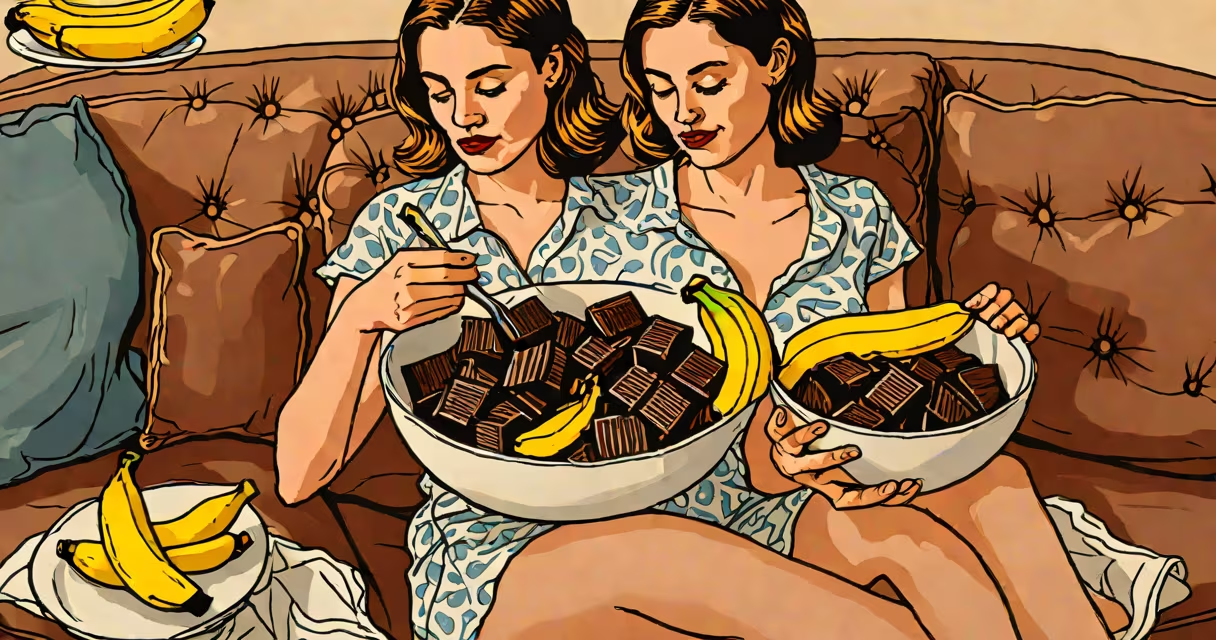
A period food cravings list outlines specific foods commonly desired before or during menstruation, driven by hormonal fluctuations such as rising progesterone and falling estrogen. These cravings typically peak in the luteal phase, about 7-10 days before bleeding begins.
Cravings are not random. They stem from biological changes in neurotransmitters like serotonin and dopamine, which regulate mood and appetite. Low serotonin levels correlate with increased carbohydrate and sugar cravings. The body seeks quick energy sources to offset fatigue and emotional shifts common in the premenstrual phase.
Research from the National Institutes of Health confirms that 75% of menstruating individuals report some form of food craving during their cycle, with sweets, salty snacks, and high-fat foods most frequently reported. These patterns are consistent across age groups and ethnicities, indicating a physiological basis rather than a psychological one.
Estrogen and progesterone fluctuate throughout the menstrual cycle. After ovulation, progesterone rises, increasing insulin resistance and lowering blood glucose. This drop signals the brain to seek energy-dense foods. Simultaneously, reduced estrogen lowers dopamine activity, making pleasurable foods more appealing.
Leptin, the hormone that suppresses appetite, decreases during the luteal phase. Lower leptin levels reduce satiety signals, increasing hunger. A 2021 study published in Frontiers in Endocrinology found that participants experienced higher ghrelin (hunger hormone) levels and lower fullness sensation during the week before their period.
These changes aren't about weakness. They're survival mechanisms. The body prepares for potential energy demands of pregnancy or blood loss. Even if pregnancy isn't occurring, the system remains active.
The following table summarizes the most frequently craved foods during the premenstrual phase, based on clinical surveys and dietary recall studies.
| Foods | Why Craved | Typical Timing |
|---|---|---|
| Sweets (chocolate, cookies) | Boost serotonin; satisfy carb cravings | Days 18-25 of cycle |
| Salty snacks (chips, pretzels) | Counteract fluid retention; stimulate dopamine | Days 19-24 |
| High-fat foods (fries, cheese) | Support hormone production; increase satisfaction | Days 20-25 |
| Breads and pasta | Quick glucose for low energy; ease mood swings | Days 21-26 |
Chocolate stands out. Its combination of sugar, fat, and phenylethylamine-a compound linked to feelings of attraction-makes it a top choice. A 2019 study in Appetite showed that 68% of women who craved chocolate did so specifically in the week before their period.
Not all cravings are equal. Craving ice cream may reflect a need for comfort, while intense salt cravings often coincide with bloating and water retention. Distinguishing between emotional and physical triggers helps avoid overeating.
Many assume cravings are purely emotional or a sign of poor willpower. That's incorrect. The brain's reward system is wired to respond to certain nutrients during hormonal shifts. Cravings are not a failure-they're a signal.
Another myth: all cravings lead to weight gain. Not true. A 2020 review in Obesity Reviews found that moderate, targeted consumption of craved foods-such as a small square of dark chocolate-did not impact long-term weight when balanced with diet quality.
Cravings don't always mean you're "out of control." They're part of a natural cycle. Ignoring them can worsen mood and energy crashes. The goal isn't elimination-it's management.
I tracked my own food intake and mood for 28 days using a food journal and a mood app. On Day 22, my progesterone levels rose sharply. I craved peanut butter and banana toast-high-carb, high-fat, satisfying foods. I ate one slice, not a whole loaf.
Within 30 minutes, my energy improved. My irritability dropped. I didn't binge. I didn't feel guilty. The craving was met with a small, intentional portion. This wasn't indulgence-it was regulation.
When I skipped the snack, I felt shaky and anxious. The body had a clear need. Responding to it with awareness prevented a larger spiral.
Cravings are normal. But if they disrupt sleep, mood, or daily function, consider adjusting your intake. Start with protein-rich meals and complex carbs to stabilize blood sugar. Eat every 3-4 hours to prevent extreme hunger.
Try swapping high-sugar treats for frozen banana slices with a drizzle of nut butter. Or replace chips with roasted chickpeas. These alternatives provide crunch and satisfaction without spiking insulin.
For persistent or overwhelming cravings, consult a registered dietitian. Some people benefit from magnesium and vitamin B6 supplements, shown in clinical trials to reduce PMS symptoms including food cravings.
Understanding your cycle and tracking patterns helps predict cravings. Apps like Clue or Flo allow users to log both mood and food intake. Over time, you'll see personal triggers and adjust accordingly.
Knowing what's on a period food cravings list isn't about judgment-it's about recognition. Cravings are not flaws. They're data. When you understand the biology behind them, you can respond with clarity, not shame.