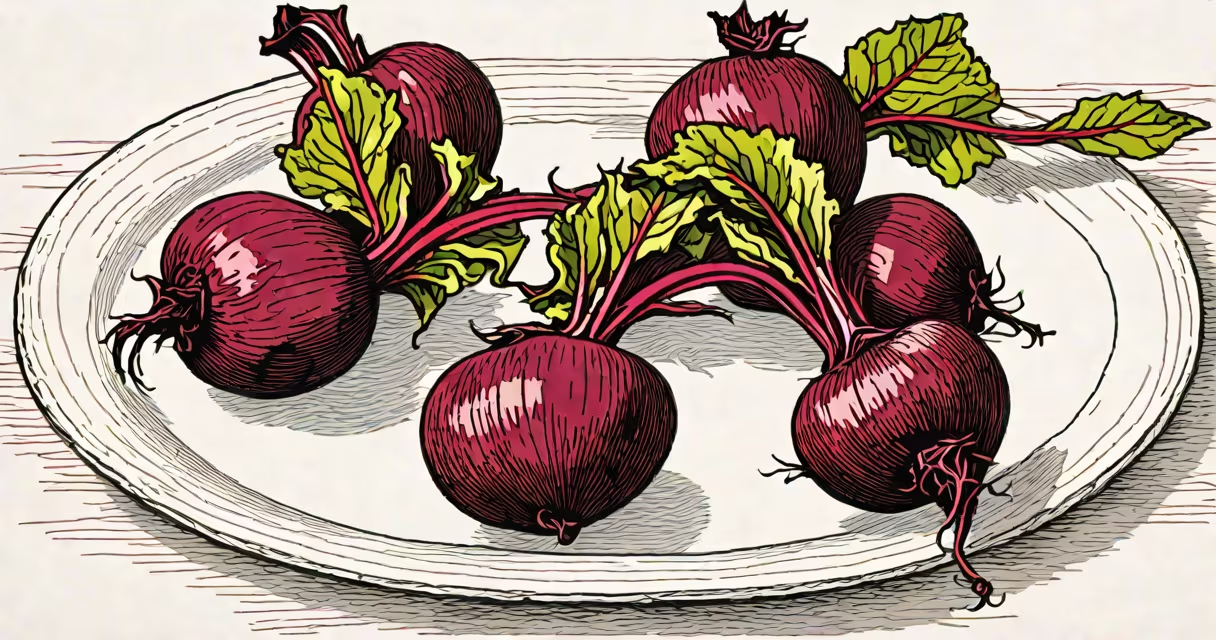
Beets contain a pigment called betalain that passes through the digestive system unbroken, causing stool to turn red. This effect is harmless and temporary, not related to blood or illness.
Betalain is a water-soluble compound responsible for the deep red-violet color in beets. Unlike most food pigments, betalain resists breakdown during digestion. It enters the intestines intact and exits via feces, leaving behind a reddish hue. The phenomenon occurs in about 10-14% of people who consume beets, according to research published in Food Chemistry.
When you eat beets, the pigment travels through the stomach and small intestine without being absorbed into the bloodstream. It reaches the large intestine, where it mixes with waste and is excreted. The color change typically appears within 24 hours of consumption and resolves within 48 hours after stopping beet intake.
Betalain is structurally distinct from other plant pigments like anthocyanins. While anthocyanins are broken down by gut bacteria and liver enzymes, betalain remains stable under normal digestive conditions. This stability explains why it appears in stool rather than being metabolized.
The human body lacks enzymes to degrade betalain efficiently. As a result, it moves through the gastrointestinal tract unchanged. Studies show that even in individuals with altered gut motility, betalain still appears in feces without systemic absorption.
A 2019 study in European Journal of Clinical Nutrition tracked 67 participants consuming 100 grams of cooked beets daily. Over 70% reported red or pink stool within 12-24 hours. None showed signs of gastrointestinal bleeding, confirming the benign nature of the discoloration.
Red stool can stem from food, supplements, medications, or medical conditions. Distinguishing between them is critical. Beets cause a uniform red color throughout the stool, often described as "raspberry" or "crimson."
| Type | Source | Appearance | Duration |
|---|---|---|---|
| Beetroot | Food | Uniform red, no clots | 1-2 days post-consumption |
| Iron supplements | Supplement | Dark red or black, tarry | Until supplement stops |
| Hematochezia | Medical | Bright red streaks, often with pain | Persistent, requires evaluation |
Beet-induced red stool lacks associated symptoms such as abdominal pain, fever, or weight loss. It does not affect urine color and does not cause fatigue. If red stool persists beyond two days after stopping beets, consult a healthcare provider to rule out other causes.
Many assume red stool always indicates bleeding. This is incorrect. Blood in stool (hematochezia) usually appears as fresh, bright red streaks or clots, often accompanied by discomfort. Beet-induced discoloration is evenly distributed and odorless.
Another misconception is that red stool means poor digestion. Beets do not impair nutrient absorption. In fact, they're rich in folate, fiber, and antioxidants. A single medium beet provides 13% of the daily recommended folate intake, per USDA data.
Some confuse betalain with artificial dyes. Unlike synthetic red coloring (e.g., Red 40), betalain is naturally occurring and not linked to hyperactivity or allergic reactions in children. The FDA classifies betalain as GRAS (Generally Recognized As Safe).
I once ate a beet salad at a farm-to-table restaurant during a weekend trip. Two days later, my stool turned bright red. I was alarmed until I recalled the meal. After skipping beets for three days, my stool returned to normal. No doctor visit was needed.
This aligns with clinical observations. The American Gastroenterological Association notes that dietary causes account for 90% of transient red stool cases. Only 10% involve pathology, and beet consumption is among the most frequent non-pathological triggers.
Red stool from beets is safe and reversible. However, if redness persists beyond 48 hours after eliminating beets, or if you experience:
For those sensitive to pigments, try cooking beets thoroughly. Boiling reduces betalain concentration by up to 30%, according to a 2021 study in Journal of Agricultural and Food Chemistry. Peeling also helps, though less effectively.
If you're unsure whether red stool stems from food or health issues, track your diet and symptoms. Many patients report confusion until they identify a trigger like beets, cranberry juice, or red licorice.
Understanding why beets make your poop red prevents unnecessary anxiety. The pigment betalain is safe, natural, and fully excreted. It's not a sign of disease, internal injury, or infection. If you've eaten beets and noticed red stool, rest assured-it's normal.
Beet-induced red stool is a harmless side effect of a nutritious vegetable. It reflects the body's ability to process natural pigments without harm. No treatment is needed. Simply stop eating beets and wait for the color to fade.