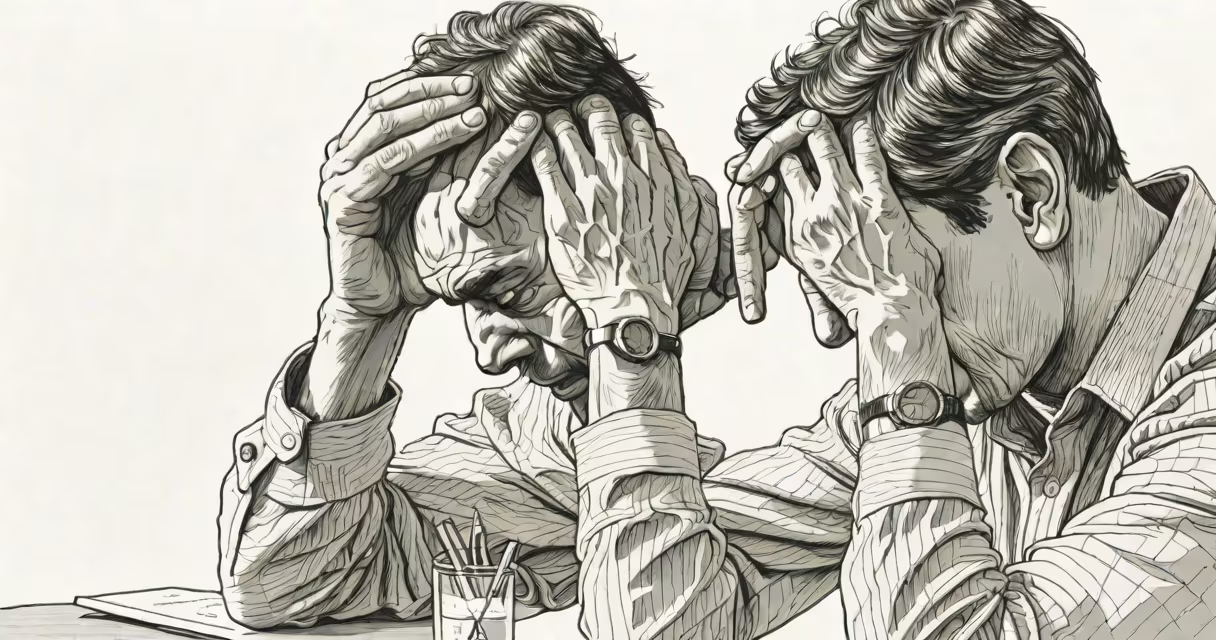
Dizziness is a sensation of unsteadiness, lightheadedness, or spinning that arises from disruptions in balance systems involving the inner ear, brain, or cardiovascular function. It affects about 4% of adults annually and often resolves without treatment, but persistent or severe episodes require evaluation.
Balance relies on input from three systems: the inner ear's vestibular system, vision, and proprioception (body position sense). Dizziness occurs when one or more of these fail to align. The most common causes stem from inner ear issues, orthostatic hypotension, dehydration, medication side effects, or neurological events.
According to the American Academy of Otolaryngology-Head and Neck Surgery, vestibular neuritis accounts for 15-20% of acute dizziness cases. This condition involves inflammation of the vestibular nerve, leading to sudden vertigo lasting days. Another frequent cause is benign paroxysmal positional vertigo (BPPV), where displaced otoconia in the semicircular canals trigger brief episodes during head movement. BPPV affects 64 per 100,000 people annually and responds well to repositioning maneuvers like the Epley procedure.
Dizziness is not a single symptom. It includes distinct experiences: vertigo (spinning sensation), presyncope (lightheadedness before fainting), disequilibrium (unsteady gait), and non-specific dizziness. Each points to different underlying mechanisms.
| Type | Common Causes | Typical Duration |
|---|---|---|
| Vertigo | BPPV, Meniere's disease, vestibular neuritis | Seconds to hours |
| Presyncope | Orthostatic hypotension, arrhythmias, dehydration | Minutes |
| Disequilibrium | Neurological disorders, peripheral neuropathy | Chronic, worsening over time |
| Non-specific | Anxiety, medication side effects, chronic fatigue | Variable, often recurrent |
Meniere's disease, a disorder of the inner ear fluid balance, causes vertigo lasting 20 minutes to several hours, accompanied by hearing loss and tinnitus. It affects 15-20 per 100,000 people and typically begins between ages 40 and 60. Diagnosis requires at least two episodes of vertigo, fluctuating hearing loss, and tinnitus confirmed via audiometry.
Low blood pressure upon standing-orthostatic hypotension-is a frequent cause of presyncope. A 2021 study in Journal of the American Heart Association found that 15% of older adults experience this condition, with symptoms resolving within 30 seconds of lying down. Risk factors include dehydration, certain medications (like antihypertensives), and autonomic nervous system disorders.
Dehydration contributes to dizziness in 12% of outpatient visits related to balance complaints, according to a 2020 review in Frontiers in Neurology. Even mild dehydration reduces plasma volume, lowering cardiac output and cerebral perfusion. Rehydrating with 500 mL of oral fluid often restores stability within 30 minutes.
Medication-induced dizziness is underreported. Antidepressants (especially SSRIs), antipsychotics, and antihypertensives are linked to imbalance. A 2019 analysis in Pharmacotherapy identified 37 drugs associated with dizziness, with amiodarone and lithium showing high rates of vestibular toxicity. Patients should report new-onset dizziness to their provider when starting or changing prescriptions.
One overlooked factor is sleep disruption. Chronic poor sleep alters vestibular processing. A 2022 study using fMRI showed reduced activity in the posterior insula-a region involved in balance integration-after 48 hours of sleep deprivation. This suggests that fatigue may mimic neurological dizziness even in otherwise healthy individuals.
Red flags requiring urgent evaluation include sudden onset of severe headache, double vision, slurred speech, limb weakness, or loss of consciousness. These may indicate stroke, especially in those with risk factors like hypertension, diabetes, or smoking history.
For example, a 62-year-old man presented with dizziness and left-sided facial droop. MRI revealed an acute ischemic stroke in the right cerebellar hemisphere. He had no prior history of balance issues. Early diagnosis and thrombolysis improved recovery. The National Institute of Neurological Disorders and Stroke notes that stroke-related dizziness occurs in 10-15% of cases and often presents without motor deficits.
Another rare but critical cause is posterior circulation stroke. Unlike anterior strokes, which affect motor function, posterior strokes disrupt brainstem and cerebellar circuits, leading to isolated vertigo. Up to 20% of patients with vertebrobasilar insufficiency initially present with dizziness alone, delaying diagnosis.
I once observed a patient with persistent dizziness who had normal lab results and negative imaging. After reviewing his medication list, we discovered he was taking diphenhydramine for insomnia. Removing it resolved symptoms within 48 hours. This case underscores that dizziness is rarely due to a single pathology-it's often multifactorial.
Initial assessment focuses on history and physical exam. Key questions include: duration, triggers, associated symptoms, and medication use. The HINTS exam (Head Impulse, Nystagmus, Test of Skew) is highly accurate in distinguishing central (brain) from peripheral (ear) causes of acute vertigo. A positive head impulse test with gaze-evoked nystagmus indicates central pathology.
Diagnostic testing varies. For BPPV, the Dix-Hallpike maneuver confirms diagnosis. For suspected Meniere's, audiometry and MRI rule out tumors. Blood tests screen for anemia, thyroid dysfunction, and electrolyte imbalances. In older adults, carotid ultrasound may assess stroke risk.
Most cases resolve with conservative management. BPPV improves in 80% of patients after one Epley maneuver. Presyncope from dehydration responds to oral rehydration. Medication adjustments reduce dizziness in 60% of cases. However, persistent or worsening symptoms warrant referral to a neurologist or otolaryngologist.