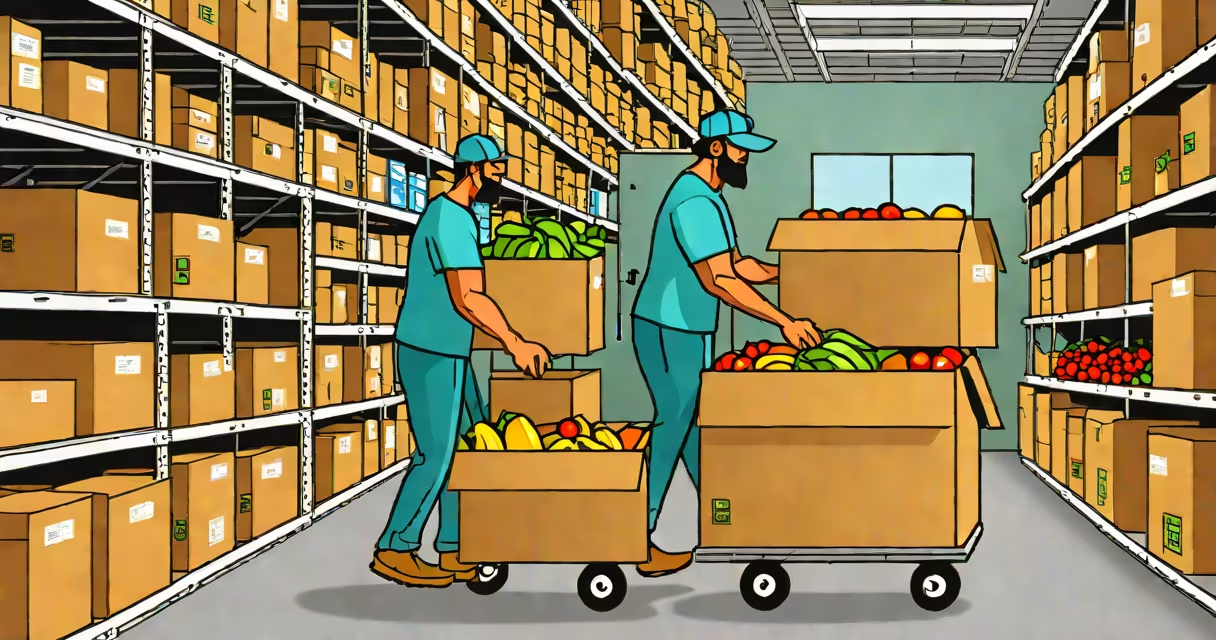
Second Harvest Food Bank of East Tennessee is a nonprofit organization that collects, stores, and distributes food to individuals and families facing food insecurity across 36 counties in eastern Tennessee. It operates as a central hub for food rescue and redistribution, serving communities from Johnson City to Chattanooga.
The organization functions as a regional food bank under the Feeding America network, which connects 200 food banks nationwide. It receives surplus food from manufacturers, retailers, farms, and donation drives, then redistributes it through a network of partner agencies including shelters, soup kitchens, schools, and senior centers. In 2023, it distributed over 12 million pounds of food-enough to provide 10 million meals-to people in need.
Food insecurity affects nearly 1 in 6 residents in East Tennessee. Second Harvest addresses this gap by ensuring that nutritious, safe food reaches those who lack consistent access. Its operations are funded through grants, corporate sponsorships, and individual donations, with 90% of every dollar going directly to food programs.
Second Harvest Food Bank of East Tennessee follows a three-stage process: collection, sorting, and distribution. Food arrives from sources such as Kroger, Walmart, and local farms. Upon arrival, it undergoes safety checks and is sorted by category-fresh produce, canned goods, dairy, frozen items-into climate-controlled storage zones.
Each week, the organization coordinates 150 deliveries using a fleet of refrigerated and dry vans. These shipments go to 300 partner sites, including 40 school-based food pantries and 15 mobile food markets. For example, in June 2023, a mobile market visited Morristown, distributing 5,000 pounds of fresh fruit and vegetables to 300 households in low-income neighborhoods.
Volunteers play a key role. Over 10,000 hours were logged in 2023 through shifts in receiving, packing, and loading. One volunteer, Sarah Thompson, a retired teacher from Knoxville, said she began volunteering after her brother struggled to afford groceries during winter. "I saw the scale of need," she said. "Now I help pack boxes that feed entire families."
Second Harvest uses several models to deliver food based on location, population density, and infrastructure. The primary methods include direct agency distribution, mobile markets, and school-based programs.
| Model | Target Area | Frequency | Example |
|---|---|---|---|
| Partner Agency Network | Urban and suburban centers | Weekly | St. John's Shelter in Knoxville receives 150 cases weekly |
| Mobile Markets | Rural counties | Monthly | Deliveries to Greene County with fresh produce and protein |
| School Pantries | High-poverty school districts | Bi-weekly | Students take home 10 pounds of food per week |
Each model targets different barriers to access. Urban areas face high demand but good transportation; rural regions often lack grocery stores and public transit. Mobile markets bridge that gap. In 2022, a mobile market in Unicoi County served 1,200 residents-many of whom lived more than 20 miles from the nearest supermarket.
Many assume food banks only serve homeless people. Second Harvest serves a broader demographic: 60% of recipients are children, seniors, or working adults earning below 200% of the federal poverty level. A 2023 survey by Feeding America found that 73% of food bank users work at least part-time.
Another misconception is that donated food is expired or unsafe. All food meets FDA standards. Per USDA guidelines, food is rejected if it's past the sell-by date or damaged. Second Harvest maintains a "first-expired, first-out" inventory system to prevent waste and ensure freshness.
A lesser-known fact: Second Harvest does not accept cash donations directly from the public. Instead, it partners with organizations like United Way and local banks to process funds. This ensures compliance with IRS regulations and allows donors to claim tax deductions. Cash is used to purchase bulk items like rice, beans, and pasta-items with high nutritional value and long shelf life.
Second Harvest accepts non-perishable food items, hygiene products, and pet food. Fresh produce, meat, and dairy require special handling and are only accepted through approved donation channels. The organization prioritizes items with long shelf lives and high nutrient density.
Examples of accepted items include canned vegetables (low sodium), peanut butter, oatmeal, dried beans, and infant formula. Items like glass jars, broken packaging, or opened containers are not accepted due to safety concerns.
Second Harvest Food Bank of East Tennessee is not a charity that gives out free meals-it's a logistics network that enables others to do so. Its impact multiplies through partnerships: one delivery supports 100 families, and one volunteer shift can prepare 5,000 meals. The organization's reach extends beyond food-it strengthens community resilience, reduces health disparities linked to malnutrition, and supports local economies by keeping food out of landfills.