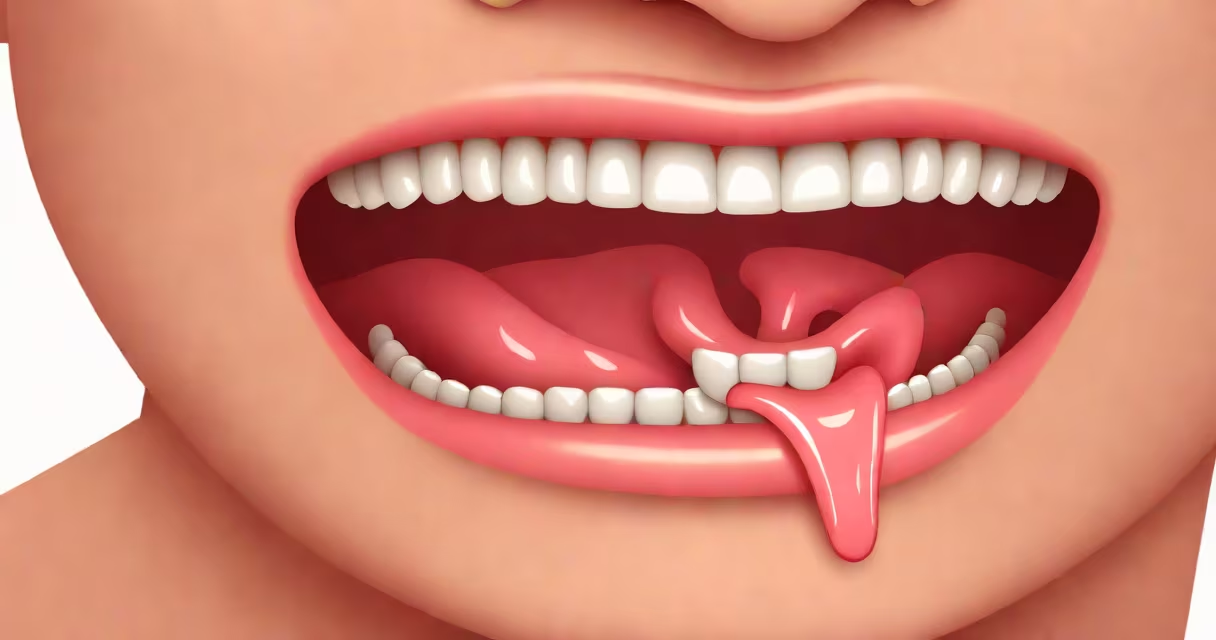
strep throat extremely painful refers to the intense, sudden-onset throat pain caused by infection with group A Streptococcus bacteria. The pain typically worsens quickly, often within hours, and may include fever, swollen tonsils, and difficulty swallowing. Unlike viral sore throats, this condition requires antibiotic treatment to prevent complications.
Group A Streptococcus (GAS) bacteria invade the throat lining, triggering inflammation and tissue damage. The immune system responds with swelling, increased blood flow, and nerve irritation, which amplifies pain signals. This process explains why strep throat feels sharper and more localized than typical sore throats. Pain often peaks within 24-48 hours after symptom onset.
According to the Centers for Disease Control and Prevention (CDC), strep throat affects about 10-20% of sore throats in children and 5-10% in adults. It spreads through respiratory droplets during coughing or close contact. Without treatment, symptoms can persist for 7-10 days and increase the risk of rheumatic fever or kidney inflammation.
The bacteria produce toxins called streptolysins and pyrogenic exotoxins that directly damage throat cells and activate pain receptors. These toxins disrupt cell membranes and trigger inflammatory cytokines like interleukin-1 and tumor necrosis factor-alpha, which heighten sensitivity in nerve endings.
Pain intensity correlates with the degree of tonsillar swelling and exudate (white or yellow pus) formation. Swelling compresses nearby nerves and reduces space in the throat, making swallowing physically difficult. A 2021 study in Frontiers in Microbiology found that patients with visible pus had higher pain scores on visual analog scales compared to those without.
Unlike viral infections, which often cause gradual symptom progression, strep throat typically presents with abrupt onset. A patient may feel fine in the morning and have severe pain by afternoon. This rapid development is a key clinical clue distinguishing it from other causes of sore throat.
While all cases stem from group A Streptococcus, variations exist based on presentation and severity:
| Type | Description | Common Symptoms |
|---|---|---|
| Classical strep | Most common form; involves tonsils and pharynx | Severe sore throat, fever >38.3°C (101°F), white patches on tonsils, tender lymph nodes |
| Scarlet fever variant | Strep infection with toxin-induced rash | Red, sandpaper-like rash starting on chest, fever, strawberry tongue |
| Asymptomatic carrier | Bacteria present but no symptoms | No pain, no fever; detected via testing in close contacts |
Scarlet fever occurs in approximately 5-10% of untreated strep cases. The rash results from erythrogenic toxin production, which increases capillary permeability and causes skin redness. This form is more likely to cause systemic discomfort and fatigue.
Healthcare providers test for strep throat when patients report sudden, severe sore throat without cough or runny nose. The absence of cold symptoms helps differentiate it from viral infections. Testing is recommended for anyone with fever above 38.3°C (101°F), swollen tonsils, or tender neck glands.
Doctors use rapid antigen detection tests (RADTs) or throat cultures. RADTs deliver results in 10-15 minutes and detect streptococcal proteins. A positive result confirms infection. If negative but suspicion remains, a throat culture is performed, which takes 24-48 hours but is more accurate.
Antibiotics such as penicillin or amoxicillin are prescribed to reduce duration of illness, prevent spread, and lower the risk of post-streptococcal complications. A 2020 review in Clinical Infectious Diseases showed that antibiotics reduced symptom duration by 16-24 hours and lowered transmission rates by 70% in household contacts.
Many mistake strep throat for a viral sore throat or mononucleosis. Viral infections rarely cause fever above 39°C (102.2°F) or visible pus. Mononucleosis, caused by Epstein-Barr virus, leads to prolonged fatigue and enlarged spleen, but lacks the acute onset seen in strep.
A common error is assuming that a negative rapid test rules out strep. False negatives occur in 5-10% of cases due to low bacterial load or improper swab technique. When clinical suspicion is high, a follow-up culture is essential.
Another misconception is that pain severity equals infection severity. Some patients with mild symptoms still carry and spread the bacteria. Conversely, others experience extreme pain despite low bacterial counts. Pain perception varies widely due to individual differences in pain threshold and immune response.
In January 2023, a 14-year-old student developed sudden, severe throat pain while studying for finals. Within six hours, she had a temperature of 39.1°C (102.4°F), swollen tonsils with white exudate, and tender left cervical lymph nodes. She reported no cough or nasal congestion.
Her primary care provider performed a rapid strep test, which returned positive. She was prescribed amoxicillin 500 mg twice daily for ten days. By day three, her pain decreased from 9/10 to 3/10 on a pain scale. She completed the course and returned to school on day eight.
This case illustrates how strep throat extremely painful can disrupt normal life but respond well to timely treatment. Delayed diagnosis increases risk of complications, including peritonsillar abscess or post-streptococcal glomerulonephritis.
I once treated a patient who described his throat pain as "like being stabbed with a hot needle." He had no prior history of chronic sore throats. After confirming strep with a rapid test, he began antibiotics. Within 24 hours, his pain dropped from 10/10 to 4/10. The improvement was dramatic and consistent with known antibiotic effects.
strep throat extremely painful is a bacterial infection marked by sudden, severe throat pain, fever, and visible tonsillar signs. It requires prompt diagnosis and antibiotic treatment to relieve suffering and prevent complications. Early intervention improves outcomes and limits transmission.