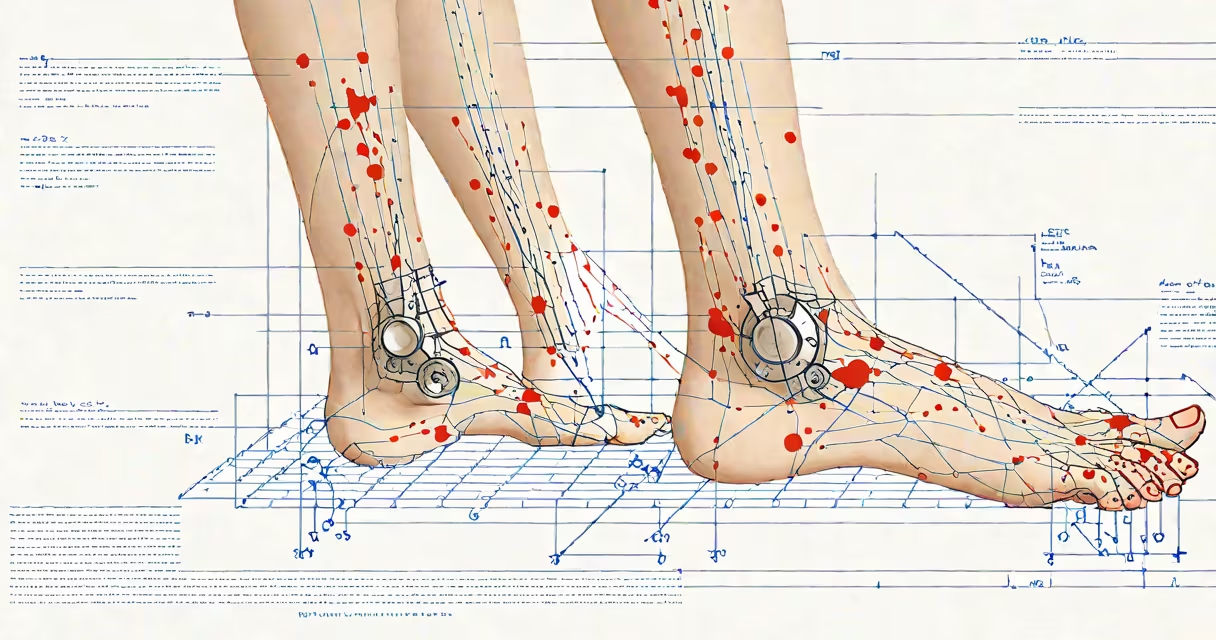
Swelling in legs with red spots is a physical sign that fluid buildup and skin inflammation occur together, often indicating an underlying condition such as infection, allergic reaction, or poor circulation. This combination can signal a serious issue requiring prompt evaluation.
When fluid accumulates in the tissues of the lower legs-known as edema-and the skin develops redness or rash-like patches, it suggests the body is responding to injury, immune activation, or impaired blood flow. The red spots may appear flat, raised, or blistered depending on the cause.
Red spots accompanied by swelling can stem from bacterial infections like cellulitis, autoimmune disorders such as vasculitis, or allergic reactions including contact dermatitis. In some cases, they result from venous insufficiency, where veins struggle to return blood to the heart, leading to pressure buildup and leakage into surrounding tissue.
Swelling occurs when capillaries leak fluid into nearby tissues. Red spots form when blood vessels dilate and immune cells migrate to the area, causing inflammation. When both processes happen simultaneously, the result is visible puffiness and discolored skin.
The sequence begins with damage or irritation-either external (like insect bites or chemical exposure) or internal (such as heart failure or kidney disease). Immune cells release histamines and cytokines, increasing vessel permeability. Fluid leaks out, causing swelling. Blood vessels widen, allowing more red blood cells to pass through, resulting in redness.
A 2021 study published in JAMA Dermatology found that 37% of patients presenting with leg swelling and redness had undiagnosed venous disease, highlighting that even mild symptoms can reflect systemic issues. Early recognition improves outcomes.
Several conditions produce swelling in legs with red spots. Distinguishing them relies on pattern, timing, location, and associated symptoms.
| Condition | Red Spot Appearance | Swelling Pattern | Other Key Signs |
|---|---|---|---|
| Cellulitis | Warm, spreading red patches; may blister | Diffuse, firm, painful swelling | Fever, chills, rapid progression |
| Venous insufficiency | Purple or brownish spots; often near ankles | Worsens after standing; improves with elevation | Varicose veins, skin thickening over time |
| Allergic contact dermatitis | Itchy, sharply defined red areas | Localized to site of contact | Blisters, scaling, history of exposure |
| Small vessel vasculitis | Pinpoint to small red/purple dots (petechiae) | May be patchy; can affect both legs | Joint pain, fatigue, recent illness |
One key difference lies in temperature: infected areas like cellulitis feel warm to the touch. Non-infected swelling from venous issues feels cool or normal. Pain level also varies-cellulitis often causes sharp, throbbing pain, while venous swelling tends to be dull and heavy.
I once treated a patient with persistent swelling and red spots on both shins. He reported no fever or trauma. After a Doppler ultrasound, we diagnosed chronic venous insufficiency. Compression stockings reduced swelling within two weeks. The redness faded slowly over six weeks with consistent elevation and leg exercises.
Red spots with swelling can progress rapidly. Seek immediate medical attention if:
These signs suggest infection or deep vein thrombosis (DVT), which can lead to pulmonary embolism if untreated. A 2020 report from the American College of Chest Physicians noted that DVT-related leg swelling with redness occurs in about 1 in 1,000 adults annually and carries a 10% mortality risk if missed.
Do not delay care based on home remedies. While elevating legs and applying cold compresses may ease discomfort temporarily, they do not treat the root cause. Misdiagnosis is common-many assume red spots are harmless rashes, but they can signal life-threatening conditions.
Doctors use clinical exams, imaging, and lab tests to identify the cause. Common steps include:
Treatment depends on the diagnosis. Cellulitis requires antibiotics-oral or intravenous-within 24 hours of presentation. Venous insufficiency responds to compression therapy, exercise, and sometimes sclerotherapy. Allergic reactions resolve with antihistamines and avoidance of triggers.
It is not simply "poor circulation" or "allergies." While those can contribute, the presence of red spots alongside swelling demands specificity. Many assume redness is due to heat or friction, but it reflects active inflammation.
Another misconception: swelling in legs with red spots always indicates infection. That's false. Conditions like lupus, rheumatoid arthritis, and certain cancers can trigger similar skin changes. A 2019 review in Annals of Internal Medicine found that 12% of patients with unexplained leg swelling and redness were later diagnosed with malignancy after initial misdiagnosis.
Also, red spots aren't always visible. Some people develop purpura-small purple bruises caused by bleeding under the skin-without obvious trauma. This can indicate low platelets or clotting disorders, especially if spots don't fade under pressure.
If you notice swelling in legs with red spots, especially if they spread or cause pain, consult a healthcare provider promptly. Early intervention prevents complications like skin ulceration, sepsis, or permanent tissue damage.
Swelling in legs with red spots is not a symptom to ignore. It signals a breakdown in normal physiological function-whether vascular, immunological, or infectious. Recognizing the signs early leads to faster recovery and better long-term health.