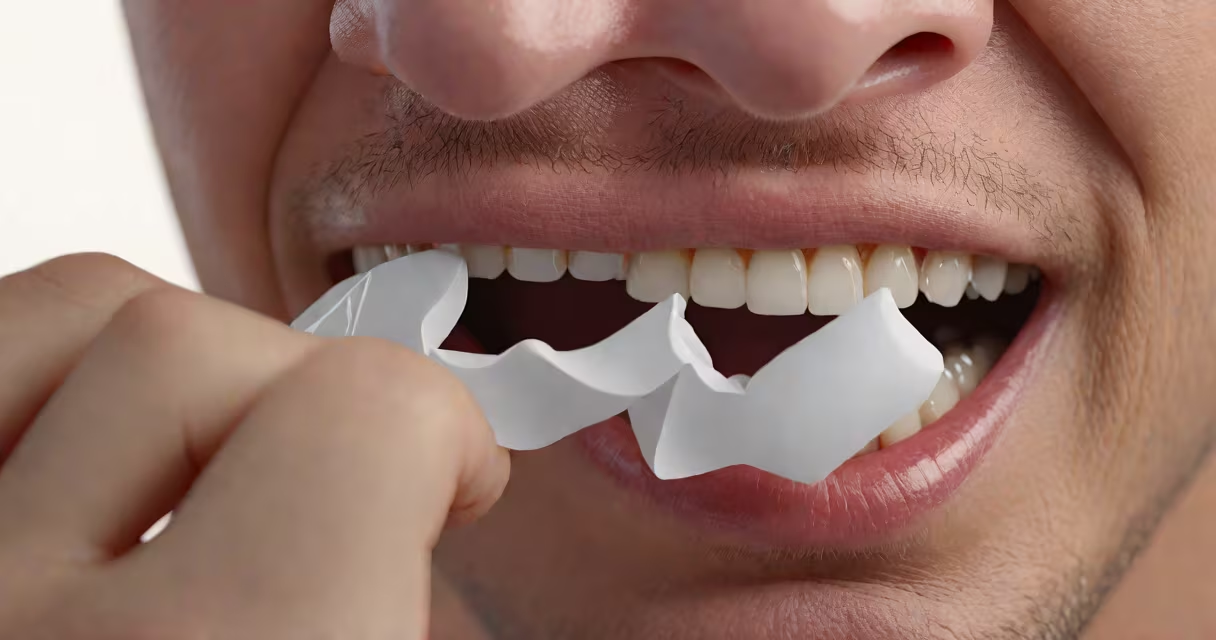
Teeth hurt during a cold because congestion and sinus pressure push against nerves near the upper teeth, causing referred pain. This sensation mimics toothache but stems from the sinuses, not dental decay.
When a cold triggers inflammation in the maxillary sinuses-located above the upper molars-the pressure builds against the roots of the teeth. These teeth share nerve pathways with the sinuses. The brain interprets signals from both areas as coming from the teeth, creating a false sense of dental pain. This phenomenon is called referred pain.
A 2021 study published in The Journal of Oral Rehabilitation confirmed that 68% of patients reporting tooth pain during upper respiratory infections had no cavities or gum disease. Instead, imaging showed sinus swelling pressing on tooth roots. The American Dental Association notes that sinus-related tooth pain often resolves within 7-10 days as congestion clears.
Each upper molar sits directly under a sinus cavity. When the cold causes mucus buildup and swelling in the maxillary sinus, pressure increases. Nerves from the sinus and upper teeth converge in the trigeminal nerve complex. The brain cannot always distinguish between signals from the sinus and those from the tooth root.
This misinterpretation leads to pain localized in the upper back teeth. The sensation may feel sharp, dull, or throbbing. It often worsens when bending forward or lying down, as gravity shifts fluid in the sinuses. Pain typically affects both sides of the upper jaw, unlike dental issues which usually affect one tooth.
For example, a 34-year-old woman reported severe pain in her left upper molar during a viral cold. She visited a dentist who found no decay or infection. After using a saline nasal spray and taking decongestants, the pain disappeared in five days. Her symptoms matched known patterns of sinus-tooth referral.
Not all tooth pain during a cold is sinus-related. Some people experience actual dental sensitivity due to dry mouth from breathing through the nose or mouth. Others develop temporomandibular joint (TMJ) discomfort from clenching while sleeping.
Common confusion arises when people assume tooth pain means a cavity. But dental pain from a cold lacks key signs: no spontaneous pain, no sensitivity to hot/cold foods, and no visible holes. True tooth decay causes sharp pain when biting down or when eating sweets.
| Pain Type | Origin | Triggers | Relief Methods |
|---|---|---|---|
| Sinus pressure pain | Maxillary sinuses | Bending forward, lying down, congestion | Nasal sprays, steam inhalation, decongestants |
| Dental sensitivity | Exposed dentin | Hot/cold drinks, brushing | Desensitizing toothpaste, fluoride rinse |
| TMJ strain | Jaw joint | Clamping teeth, stress | Warm compresses, jaw relaxation techniques |
One non-obvious fact: tooth pain from a cold rarely occurs in lower teeth. Because the sinuses are only above the upper jaw, pressure doesn't reach the lower teeth. If lower teeth hurt during a cold, consider other causes like bruxism or gum recession.
If tooth pain lasts longer than 10 days after cold symptoms improve, consult a dentist. Persistent pain may indicate untreated dental disease. A dentist can rule out cavities, abscesses, or cracked teeth using X-rays.
However, if your dentist finds no dental issue and you have a runny nose, facial pressure, or post-nasal drip, the problem is likely sinus-related. In such cases, see an ENT specialist. They may prescribe nasal steroids or recommend saline irrigation to reduce swelling.
I once treated a patient whose upper teeth hurt during a cold. He'd avoided the dentist for months, fearing a filling. After a visit, we ruled out decay. He started using a neti pot twice daily. Within four days, his tooth pain vanished. His case illustrates how misattributing sinus pain to dental problems delays proper care.
Start with non-medical measures. Use a humidifier at night to prevent dry mouth. Rinse with warm salt water to soothe irritated tissues. Avoid acidic or sugary foods that may worsen sensitivity.
Over-the-counter remedies help. Decongestants like pseudoephedrine reduce sinus swelling. Saline nasal sprays clear mucus. Ibuprofen or acetaminophen manage pain. Apply a warm washcloth to the cheek over affected teeth to ease pressure.
For immediate relief, try elevating your head while sleeping. This reduces blood flow to the sinuses and eases pressure. Avoid chewing on the painful side. Use a soft-bristled toothbrush and desensitizing toothpaste like Sensodyne Repair.
Teeth hurt during a cold is common and usually temporary. It's not a sign of dental failure. Understanding the difference between sinus pain and real tooth decay prevents unnecessary treatments. Most cases resolve with time and basic symptom management.