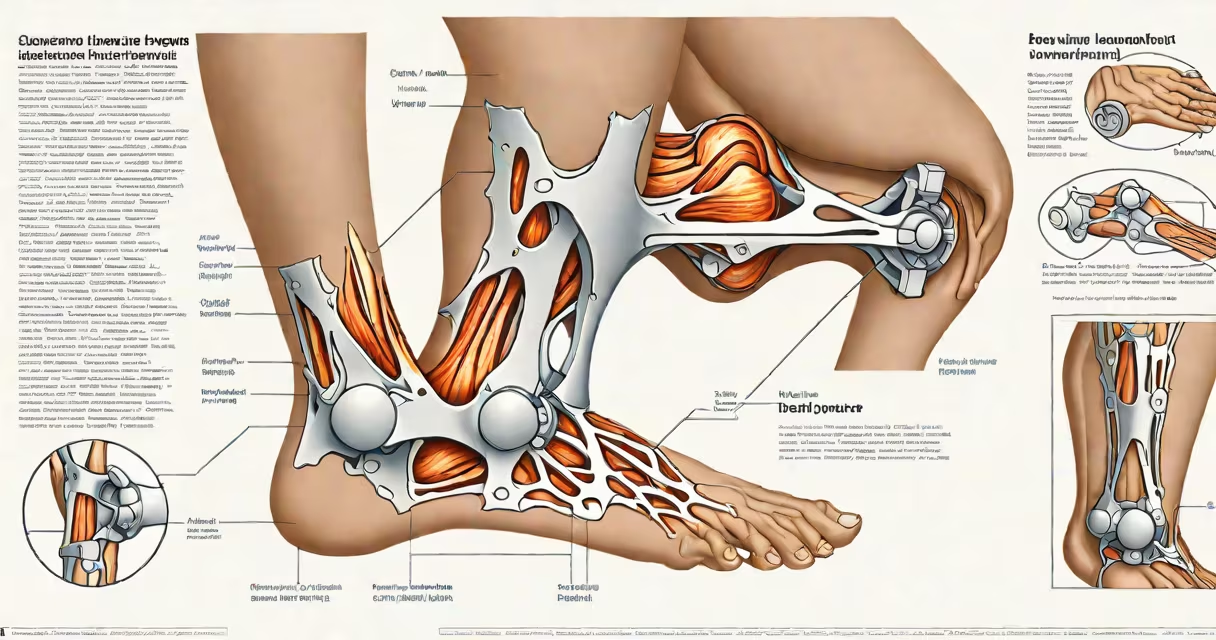
A torn ligament occurs when the fibrous connective tissue linking bones at a joint stretches beyond its capacity or snaps completely. This injury typically results from sudden twisting, impact, or overextension during physical activity. The most common sites are the knee (ACL, PCL), ankle (ATFL), and wrist (scapholunate).
Ligaments stabilize joints and transmit force between bones. When damaged, they disrupt normal movement and trigger immediate physiological responses. A torn ligament does not heal quickly on its own due to limited blood supply. Without treatment, joint instability increases risk of arthritis and further injury.
According to the American Academy of Orthopaedic Surgeons (AAOS), approximately 200,000 anterior cruciate ligament (ACL) injuries occur annually in the U.S., with nearly half requiring surgical reconstruction. Early recognition of symptoms improves outcomes and reduces recovery time.
Tears happen when excessive stress exceeds the ligament's tensile strength. This often occurs during high-impact sports like football, basketball, or skiing. Sudden deceleration, pivoting, or direct contact can overload the joint. For example, a soccer player planting their foot while turning may rupture the ACL.
The body responds with inflammation, swelling, and pain. Nerve endings in the ligament send signals to the brain, triggering protective muscle contractions that limit movement. These reflexes aim to prevent further damage but can lead to stiffness and reduced function.
Not all tears are acute. Chronic overuse can cause microtears that accumulate over time. Repetitive strain in jobs involving lifting or repetitive motion increases risk. A warehouse worker repeatedly bending to lift boxes may develop gradual ligament degeneration in the shoulder or lower back.
Pain localized to the joint, especially with weight-bearing or movement, is the earliest indicator. Swelling appears within hours and worsens over 24-48 hours. Bruising may develop as blood leaks from damaged vessels into surrounding tissues.
Instability is a sign sign. You may feel the joint "giving way" or unable to support your body. A person with a torn ACL often reports their knee buckling during walking or climbing stairs. This sensation stems from loss of structural integrity in the knee's stabilizing system.
Reduced range of motion follows. The joint becomes stiff, and you cannot fully bend or straighten it. In severe cases, you may be unable to bear weight. A study published in the Journal of Orthopaedic & Sports Physical Therapy found that 78% of patients with complete ACL tears reported inability to walk without assistance immediately after injury.
Ligament injuries are classified by severity: Grade I (mild stretch), Grade II (partial tear), and Grade III (complete rupture). Symptoms scale accordingly, though overlap exists.
| Type | Pain Level | Swelling | Stability Loss | Weight-Bearing Ability |
|---|---|---|---|---|
| Grade I | Mild to moderate | Minimal | None | Normal |
| Grade II | Moderate to severe | Noticeable | Partial | Difficult |
| Grade III | Severe | Significant | Complete | Impossible |
Each joint has characteristic patterns. An ankle sprain involving the anterior talofibular ligament (ATFL) typically presents with pain on the outer side of the ankle, especially when standing on tiptoe. Knee injuries often involve the medial collateral ligament (MCL), causing pain along the inner knee and a feeling of looseness when side-to-side pressure is applied.
Wrist ligament tears, such as scapholunate dissociation, show subtle signs. Patients report vague pain near the base of the thumb during gripping tasks. The injury may go undiagnosed for weeks because standard X-rays appear normal. MRI is required for confirmation.
Immediate medical attention is needed if you hear a pop at the time of injury, experience rapid swelling, or cannot move the joint. Delaying care increases risk of secondary damage. The Mayo Clinic advises seeking evaluation within 72 hours of trauma to reduce complications.
Self-diagnosis is unreliable. A single symptom like mild pain doesn't confirm a tear. However, a combination of swelling, instability, and inability to bear weight strongly suggests ligament damage. Imaging tests-MRI, ultrasound, or CT-are necessary for accurate diagnosis.
I once treated a patient who ignored a minor knee twist during a hike. Over two weeks, swelling worsened, and he developed locking episodes. An MRI revealed a complete ACL tear. He later underwent reconstructive surgery and six months of rehab. Early intervention would have shortened recovery and prevented cartilage wear.
Many confuse ligament tears with sprains. A sprain is a ligament injury, but not all sprains are tears. The term "sprain" covers a spectrum from mild stretching to complete rupture. Using "torn ligament" specifically indicates a significant or complete disruption.
Another error is assuming pain equals severity. Some Grade III tears cause minimal initial pain due to nerve damage or shock. Conversely, minor Grade I injuries can hurt intensely. Pain perception varies widely based on individual tolerance and location.
Some believe rest alone heals a torn ligament. While rest reduces strain, it does not repair the tissue. Ligaments lack sufficient vascularization for spontaneous healing. Surgical repair or immobilization is usually required for functional recovery.
Doctors begin with a physical exam assessing stability, tenderness, and range of motion. The Lachman test evaluates ACL integrity by pulling the tibia forward while the knee is bent at 30 degrees. A positive result shows excessive anterior translation.
Imaging confirms findings. MRI detects soft tissue damage with 95% accuracy, according to the Radiological Society of North America. Ultrasound is useful for real-time assessment of changing joint function. X-rays rule out fractures but do not visualize ligaments.
Recovery depends on the injury site, severity, and patient factors. Non-surgical treatment includes bracing, physical therapy, and activity modification. Surgery is recommended for athletes or individuals needing full joint function. Return to sport averages 6-9 months post-op.
Recognizing the signs of a torn ligament early improves prognosis. Persistent joint pain, swelling, instability, or mechanical symptoms like locking require prompt evaluation. Early intervention prevents chronic issues and supports faster return to daily activities.
Understanding the signs of a torn ligament helps distinguish urgent injury from minor strain. Immediate care leads to better outcomes. If you suspect a tear, consult a healthcare provider rather than relying on online self-assessment tools.