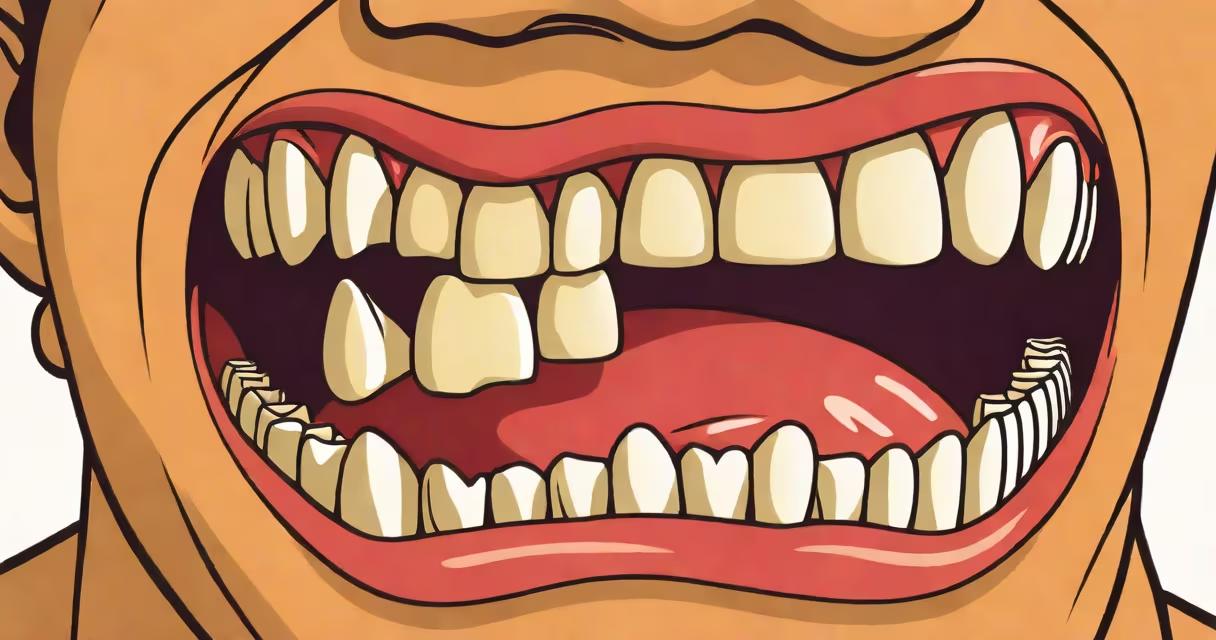
A dental crown hurts when I chew when the restoration doesn't fit properly, irritates the nerve, or develops decay underneath. This pain typically occurs during biting or chewing and may feel sharp, dull, or throbbing.
Dental crowns are caps placed over damaged or weakened teeth to restore function and appearance. They're made from porcelain, metal, zirconia, or a combination. When properly fitted, they should feel like a natural tooth. But if the crown is too high, misaligned, or has a gap where bacteria can enter, it can cause pain during chewing.
The most common reason a crown hurts when you chew is occlusal overload-the crown contacts your opposing tooth too early or too hard during biting. This pressure stresses the tooth's root and surrounding tissues. A 2021 study in the Journal of Prosthetic Dentistry found that 38% of patients reporting post-crown pain had high spots on their restorations that required adjustment.
A crown covers the visible part of a tooth after the dentist removes decayed or damaged structure. The remaining tooth is shaped to hold the crown, which is then cemented in place. The crown acts as a protective shell and restores the tooth's strength and shape.
Pain during chewing usually indicates mechanical or biological issues. Mechanical problems include a crown that's too high on the bite, causing excessive force on the tooth. Biological causes involve inflammation of the pulp (inner tooth tissue) due to trauma during preparation or secondary decay beneath the crown.
For example, a patient with a porcelain-fused-to-metal crown on a lower molar reported sharp pain when biting down on toast. After examination, the dentist found a high spot on the crown that pressed against the upper tooth during closure. A simple adjustment with a dental file eliminated the pain within minutes.
Different materials affect how well a crown fits and tolerates chewing forces. Porcelain crowns offer natural aesthetics but can fracture under heavy stress. Metal crowns (like gold or nickel-chromium) are durable but less aesthetic. Zirconia crowns combine strength and appearance but require precise placement.
| Crown Type | Common Use | Chewing Comfort | Failure Risk |
|---|---|---|---|
| Porcelain | Front teeth, visible areas | High, if well-fitted | Fracture under heavy load |
| Zirconia | Molars, bridges | Very high, excellent wear resistance | Requires expert lab work |
| Gold alloy | Back teeth, long-term use | Excellent, soft tissue tolerance | Low, but less aesthetic |
| Porcelain-fused-to-metal (PFM) | General-purpose, cost-effective | Moderate; risk of chipping | Higher failure rate at margins |
One key factor often missed: marginal integrity. If the edge of the crown doesn't seal tightly against the tooth, bacteria can seep in, leading to decay. According to the American Dental Association, 15% of failed crowns are due to recurrent decay at the margin, not the crown material itself.
Minor discomfort after crown placement is normal for up to 2 weeks as the tooth adjusts. But persistent pain when chewing-especially if it worsens or lasts beyond 3 weeks-requires evaluation.
Red flags include: pain that lingers after chewing, swelling in the gum near the crown, pus discharge, or a loose feeling. These suggest infection, nerve damage, or a cracked tooth. Delaying care increases the risk of needing a root canal or extraction.
I once saw a patient who ignored mild pain for six months. The crown felt fine, but the underlying tooth had developed a deep cavity. By the time he returned, the pulp was necrotic. A root canal and new crown were needed. Early intervention would have saved time and cost.
Many people assume "it's just a temporary soreness" and wait. But pain from a crown isn't always temporary. A 2020 review in Clinical Oral Investigations found that 23% of patients with persistent crown-related pain had undiagnosed vertical root fractures or incomplete pulp treatment.
Another myth: "Only the crown is involved." In reality, the pain may come from the supporting tooth or bone. For example, a crown on a tooth with a previous root canal can fail if the filling material deteriorates and allows infection to spread.
Some patients think they can fix the issue themselves by grinding down the crown. That's dangerous. Improper adjustments can expose the tooth's nerve or weaken the crown structure. Only a licensed dentist should modify a crown.
If you're experiencing pain when chewing, schedule an appointment with your dentist. Bring a record of when the pain started and what triggers it. Avoid chewing on that side until seen.
Your dentist will check the crown's fit, examine the gums, take an X-ray to rule out decay or infection, and possibly adjust the bite. If the pain persists, a root canal may be necessary. In rare cases, the crown must be removed and replaced.