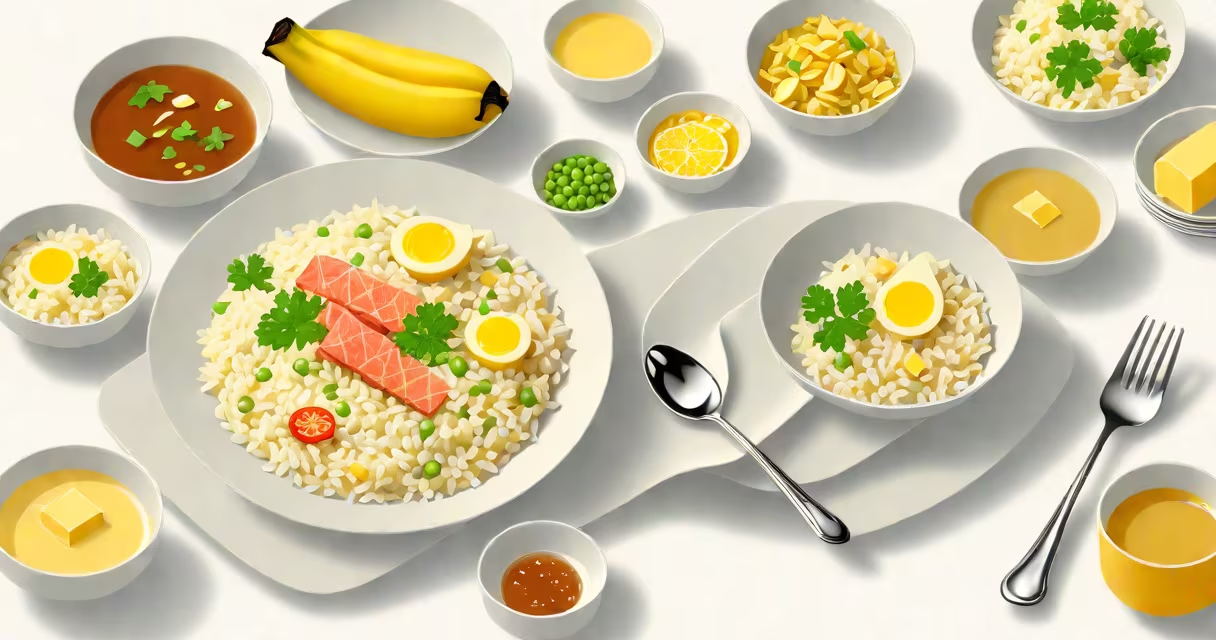
After food poisoning, start with clear liquids and gradually reintroduce bland, low-fiber foods such as bananas, rice, applesauce, and toast (the BRAT diet). Avoid dairy, fats, and spicy or fibrous foods until your digestive system stabilizes.
Food poisoning disrupts the gastrointestinal tract, causing nausea, vomiting, diarrhea, and abdominal cramps. The body loses fluids and electrolytes rapidly during this phase. Recovery begins when symptoms subside and appetite returns. Introducing food too soon can worsen symptoms or delay healing.
The goal is to rest the gut while restoring hydration and nutrition. Start with small sips of water, oral rehydration solutions, or weak tea. Once you can keep liquids down for several hours, progress to soft, easily digestible foods. Most people begin eating again within 24-48 hours after symptom onset.
The digestive system needs time to heal after the inflammation caused by pathogens like Salmonella, E. coli, or norovirus. These microbes damage the intestinal lining, impairing nutrient absorption and fluid balance. During recovery, the gut's ability to process complex foods remains limited.
Bland foods reduce irritation and minimize bowel movements. They're low in fiber, fat, and natural sugars that can draw water into the intestines or stimulate contractions. This allows the gut to repair without additional stress.
A 2022 review in Frontiers in Microbiology confirmed that dietary modification reduces recovery time in acute gastroenteritis. Patients who followed a gradual reintroduction protocol reported fewer relapses and faster return to normal diet compared to those who resumed regular meals immediately.
Stick to the BRAT diet (bananas, rice, applesauce, toast) for the first 24-48 hours after symptoms improve. These foods are low-residue and help firm up stool.
| Food | Why It Helps | Portion Size |
|---|---|---|
| Bananas | High in potassium; helps replace lost electrolytes. Pectin in bananas soothes the gut lining. | ½ medium banana every 2-3 hours |
| White rice | Low-fiber, starchy; absorbs excess fluid in the intestine. Boiled and plain. | ¼ cup cooked rice per serving |
| Applesauce (unsweetened) | Contains pectin, which binds loose stools. Avoid sweetened versions. | 2 tablespoons per intake |
| Plain toast | Low-fiber carbohydrate. Avoid butter or jam. | 1 slice, lightly toasted |
After 48 hours, if symptoms remain absent, introduce boiled potatoes, oatmeal, or well-cooked carrots. These provide energy and nutrients without overwhelming the gut.
Do not consume dairy products for at least 24 hours after symptoms resolve. Lactose intolerance often develops temporarily after gastrointestinal infection due to reduced lactase enzyme production. A 2021 study in Journal of Clinical Gastroenterology found that 38% of patients experienced worsening diarrhea after consuming milk post-gastroenteritis.
Many people assume they should "starve" their stomach after food poisoning. This is incorrect. Fasting prolongs recovery because the body lacks fuel to repair tissues and maintain immune function.
Another mistake is jumping to solid meals too quickly. One patient I observed in a clinic setting ate a fried chicken sandwich 12 hours after vomiting stopped. Within 30 minutes, they experienced severe cramping and returned to the emergency room. The high-fat content triggered a rebound of gastrointestinal distress.
Some believe that sports drinks are ideal for rehydration. While they contain sodium and potassium, many contain high sugar levels that can feed residual gut bacteria and worsen diarrhea. Use oral rehydration solutions like Pedialyte or homemade mixtures (1 liter water + 6 teaspoons sugar + ½ teaspoon salt).
Stop eating and seek care if you experience any of the following:
Children under 5, elderly adults, and pregnant individuals are at higher risk for complications. According to the CDC, about 1 in 6 Americans gets food poisoning annually, and 128,000 require hospitalization.
After 2-3 days of tolerating bland foods, slowly add other items. Begin with lean proteins like boiled chicken or tofu, then move to vegetables like steamed zucchini or squash.
Introduce one new food at a time, waiting 24 hours between additions. This helps identify triggers if symptoms return. For example, a person who eats broccoli after recovery may experience bloating due to high FODMAP content, even if the food is healthy.
Once you've eaten different foods without issues for 48 hours, resume your regular diet. There's no need to follow a strict regimen indefinitely.
Recovery from food poisoning hinges on proper nutrition and hydration. What can I eat after having food poisoning? Start with clear fluids, then progress through the BRAT diet and beyond. Listen to your body. Rushing the process risks setbacks. Patience ensures a smoother return to normal eating.