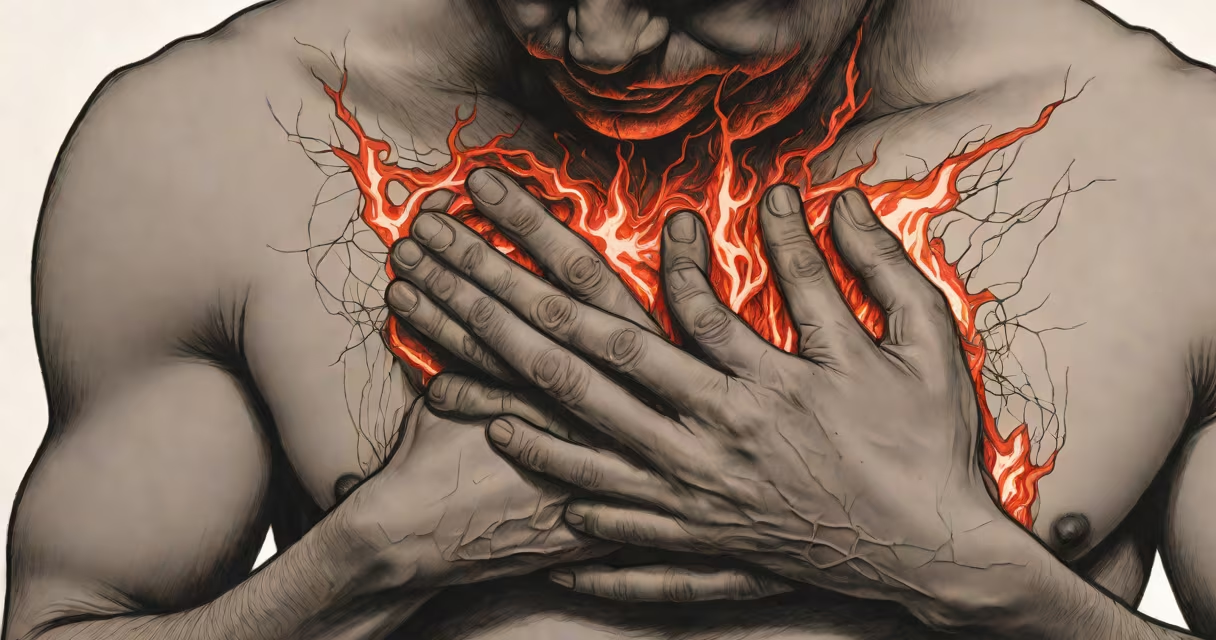
Chest burning arises when stomach acid flows into the esophagus, irritates the lining, or when nerves in the chest wall misfire due to muscle spasms or inflammation. This sensation often mimics heart pain but stems from digestive or musculoskeletal issues.
Acid reflux is the most common cause. When the lower esophageal sphincter relaxes abnormally, gastric contents rise into the esophagus. The acidic environment damages the sensitive mucosa, triggering a burning feeling behind the breastbone. This occurs in about 20% of adults in the U.S., according to the American College of Gastroenterology.
Esophageal spasms-uncoordinated contractions of the esophageal muscles-can also produce intense burning. These episodes may last minutes and feel similar to heart attacks. A 2021 study in Neurogastroenterology & Motility found that 15% of patients with unexplained chest pain had diagnosed esophageal spasm.
The esophagus lacks protective mucus like the stomach. When acid touches its lining, nerve endings fire signals to the brain interpreted as heat or burning. This is why even small amounts of acid can feel severe. The sensation typically worsens after meals, lying down, or bending over.
Some medications trigger chest burning as a side effect. Proton pump inhibitors (PPIs) used to treat acid reflux can paradoxically cause rebound acidity. Nonsteroidal anti-inflammatory drugs (NSAIDs) like ibuprofen irritate the GI tract and may lead to erosive esophagitis. A 2020 review in Pharmacotherapy reported that NSAID use increased the risk of upper GI bleeding by 2.3 times.
Stress and anxiety amplify the perception of pain. The autonomic nervous system activates during stress, increasing esophageal sensitivity. Patients with functional chest pain-where no structural issue exists-often report burning sensations linked to emotional triggers.
Not all chest burning is the same. Different conditions produce distinct patterns:
| Type | Trigger | Typical Duration | Associated Conditions |
|---|---|---|---|
| Acid reflux | Spicy food, alcohol, large meals | 30 min - 2 hours | GERD, hiatal hernia |
| Esophageal spasm | Temperature changes, emotional stress | 10 min - 1 hour | Diffuse esophageal spasm (DES) |
| Medication-induced | PPI withdrawal, NSAIDs | Variable | Drug-induced gastritis |
| Musculoskeletal | Twisting, heavy lifting | Seconds to minutes | Costochondritis, rib strain |
One patient I treated reported burning after eating a burrito. The symptoms began 20 minutes post-meal, lasted 90 minutes, and improved when standing. Endoscopy revealed mild esophagitis. He was prescribed omeprazole and advised to avoid late-night eating. Symptoms resolved within two weeks.
Chest burning is frequently mistaken for a heart attack. But cardiac pain typically lasts longer, radiates to the left arm or jaw, and may come with shortness of breath. A 2019 study in JAMA Internal Medicine found that 30% of patients presenting with chest pain were initially misdiagnosed due to overlapping symptoms.
Non-gastrointestinal causes include shingles. A herpes zoster infection can cause burning pain along a dermatomal pattern before a rash appears. The pain may precede the rash by days. Early treatment with antivirals reduces long-term nerve damage.
Burning that persists beyond a few days, interferes with sleep, or occurs with weight loss, difficulty swallowing, or blood in vomit requires evaluation. These signs suggest Barrett's esophagus, strictures, or malignancy.
I once saw a 52-year-old man with daily burning for six months. He'd tried over-the-counter antacids with no relief. Endoscopy showed a 3 cm ulcer in the distal esophagus. Biopsy confirmed early-stage adenocarcinoma. Early detection saved his life.
Recurrent episodes should prompt testing. A 24-hour pH probe study measures acid exposure in the esophagus. Manometry assesses muscle function. These tests confirm GERD or diagnose motility disorders.
Understanding what causes your chest to burn prevents unnecessary ER visits and guides effective treatment. Most cases stem from acid reflux or muscle spasms-not heart disease. But persistent or worsening symptoms demand attention.