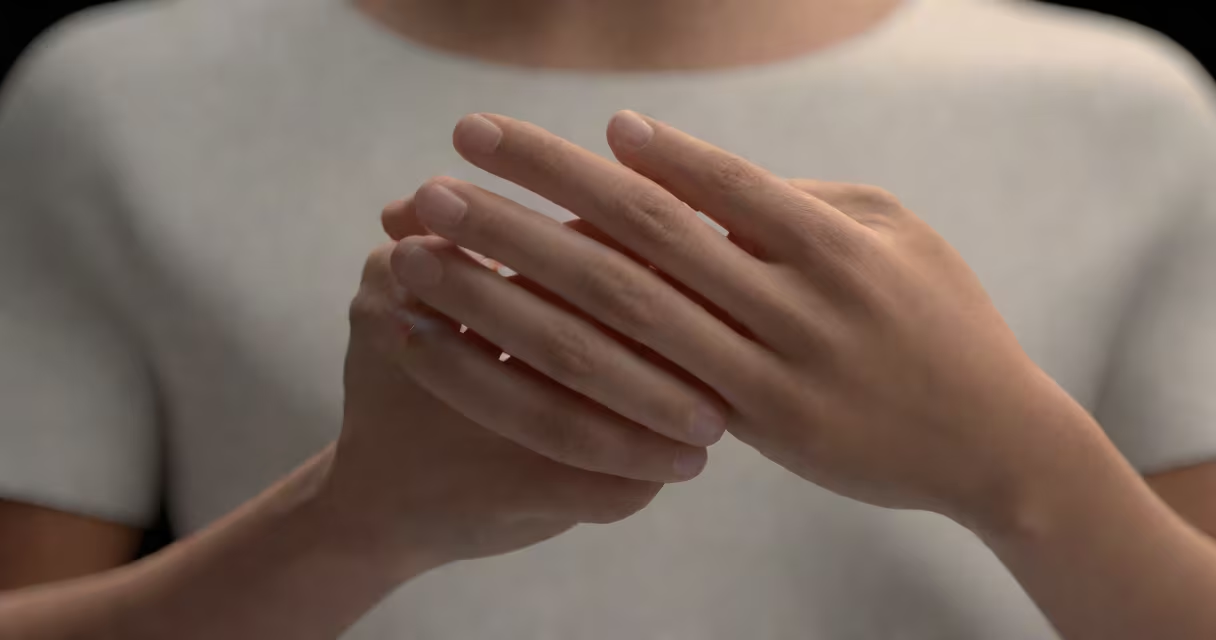
Heart feels like it flutters refers to a sudden, brief sensation of skipped beats, rapid pulsing, or irregular motion in the chest-often described as a flip-flop, thud, or flutter. These episodes are typically short-lived, lasting seconds, and may occur intermittently. While often harmless, they can signal arrhythmias or other cardiovascular concerns requiring medical evaluation.
These sensations arise when the heart's electrical system triggers contractions out of sequence. A premature contraction in the atria (PAC) or ventricles (PVC) can cause a missed beat followed by a stronger, noticeable thump. This pattern creates the "flutter" feeling. The sensation is usually felt in the chest, neck, or throat, and may be accompanied by lightheadedness or mild anxiety.
According to the American Heart Association, palpitations-such as those described as heart feels like it flutters-are reported by about 1 in 5 adults at some point in life. Most cases stem from non-life-threatening triggers like stress, dehydration, or stimulants. However, persistent or worsening episodes warrant assessment to rule out structural heart disease or arrhythmias such as atrial fibrillation.
The heart relies on a precise electrical impulse generated by the sinoatrial (SA) node, the natural pacemaker in the right atrium. This signal travels through the atria, pauses briefly at the atrioventricular (AV) node, then spreads to the ventricles. Any disruption-like an extra beat from a misplaced focus in the atria-can cause a premature contraction.
When a premature atrial contraction (PAC) occurs, the heart muscle contracts early. The chamber doesn't fill completely before the contraction, leading to a weaker pump. The next normal beat then compensates with greater force, creating the sensation of a skipped beat followed by a strong thump. This sequence is what people describe as fluttering.
A 2021 study published in Heart Rhythm found that 68% of patients reporting palpitations had no structural heart disease upon echocardiography. Still, 12% were diagnosed with arrhythmias requiring treatment. This shows that while most flutter sensations are benign, they aren't always safe to ignore.
Several factors can trigger heart feels like it flutters. Caffeine intake above 400 mg/day (about four cups of coffee) increases the risk of premature beats. Alcohol, especially binge drinking, is strongly linked to atrial fibrillation-a condition where the upper chambers quiver erratically. Stress and sleep deprivation also disrupt autonomic balance, increasing sympathetic nervous system activity.
Some individuals experience fluttering during physical exertion or after eating. Hormonal changes, such as those during pregnancy or menopause, can also influence heart rhythm. Medications like decongestants, asthma inhalers, and certain antidepressants contain compounds that stimulate the heart and may provoke palpitations.
| Type | Origin | Frequency | Typical Sensation |
|---|---|---|---|
| Premature Atrial Contractions (PACs) | Atria | Occasional | Skipped beat, followed by strong thump |
| Premature Ventricular Contractions (PVCs) | Ventricles | Occasional to frequent | Hard thud, sometimes dizziness |
| Atrial Fibrillation (AFib) | Multiple foci in atria | Irregular and persistent | Constant fluttering, racing pulse |
One non-obvious distinction: PVCs are more likely to cause dizziness or fatigue than PACs because they originate in the lower chambers, which are responsible for pumping blood to the body. A single PVC may go unnoticed, but frequent ones (more than 10 per minute) can reduce cardiac output and lead to symptoms like shortness of breath.
People often assume heart feels like it flutters is caused by anxiety. While psychological stress can exacerbate palpitations, it's not always the root cause. A 2020 review in Journal of the American College of Cardiology found that 30% of patients with palpitations had no psychiatric comorbidity. This means the sensation can be purely physiological.
For example, a 45-year-old woman reported heart feels like it flutters twice daily for three weeks. She had no history of anxiety. An electrocardiogram revealed frequent PVCs. After reducing caffeine and taking a beta-blocker, her symptoms resolved. This case illustrates that even healthy individuals can develop palpitations without emotional triggers.
Red flags include fluttering that lasts longer than a minute, occurs with chest pain, fainting, or severe shortness of breath. These signs suggest potentially dangerous arrhythmias or ischemia. The American Heart Association recommends seeking care if palpitations happen during rest, worsen over time, or occur in someone over 50 with risk factors like high blood pressure or diabetes.
Doctors begin with a detailed history and physical exam. They assess medication use, lifestyle habits, and family history of heart disease. A 12-lead ECG captures the heart's rhythm at a single moment. If the fluttering didn't occur during the test, it may be missed.
For intermittent symptoms, a wearable monitor like a Holter or event recorder is used. These devices record heart activity continuously for 24-48 hours or longer. A patient activates the device when symptoms start. A 2022 study in Circulation showed that event monitors detected arrhythmias in 76% of patients with unexplained palpitations who had negative standard ECGs.
Management depends on the diagnosis. Benign PACs or PVCs may require no treatment beyond lifestyle changes-reducing caffeine, managing stress, avoiding alcohol. Beta-blockers or calcium channel blockers may be prescribed for frequent or symptomatic episodes. For AFib, anticoagulants prevent stroke, and procedures like ablation can eliminate abnormal circuits.
I once observed a patient with heart feels like it flutters who was misdiagnosed with panic disorder for two years. Her symptoms worsened until she fainted. An implantable loop recorder captured sustained ventricular tachycardia. She underwent ablation and remains symptom-free. This case highlights how critical accurate diagnosis is-even when symptoms seem psychological.
While many cases resolve with simple adjustments, persistent fluttering demands attention. Ignoring it risks missing treatable conditions. Even if the sensation feels fleeting, it may reflect a deeper issue. Stay informed, track patterns, and seek evaluation when needed.