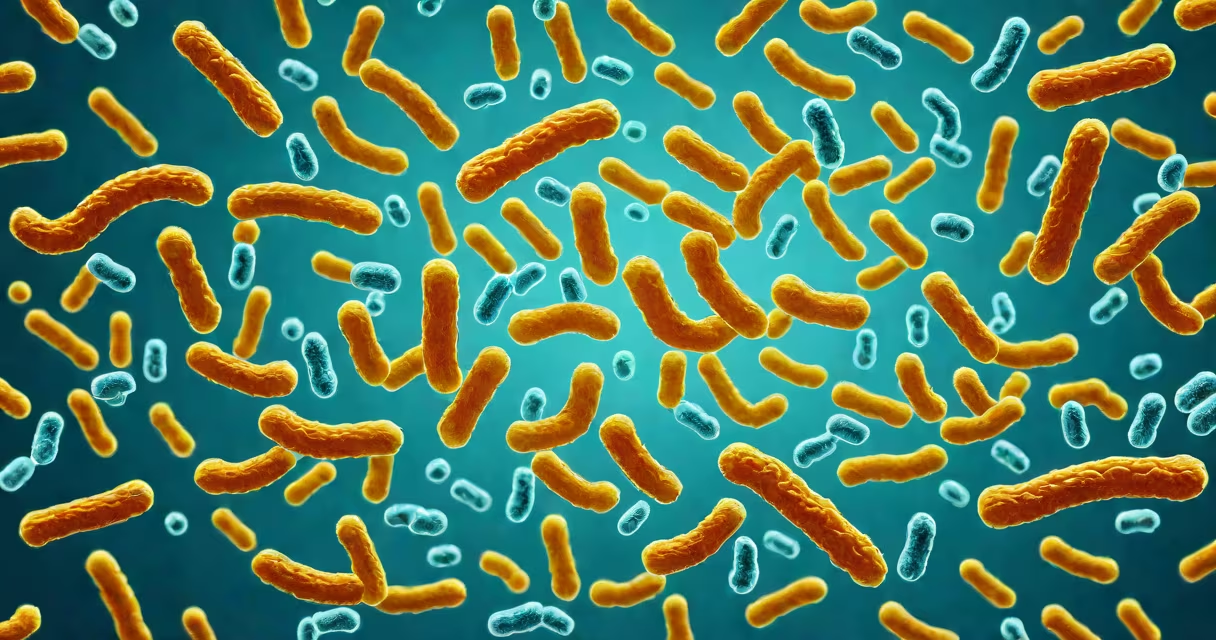
Postbiotics are bioactive compounds produced when gut bacteria ferment dietary fiber. These metabolites regulate inflammation, strengthen the intestinal barrier, and modulate immune responses. Unlike probiotics, which are live microbes, postbiotics are stable, non-living molecules that deliver direct physiological benefits.
Postbiotics form during the fermentation process in the large intestine. When you eat fiber-rich foods like oats, legumes, or bananas, gut bacteria break them down into short-chain fatty acids (SCFAs)-the most studied postbiotics. Butyrate, propionate, and acetate are key SCFAs that influence cellular energy metabolism, reduce gut permeability, and suppress pro-inflammatory pathways. These compounds don't require live organisms to function-they act directly on host cells.
Research shows postbiotics improve gut integrity by reinforcing tight junctions between intestinal epithelial cells. A 2021 study published in Nature Microbiology demonstrated that butyrate enhances mucus layer thickness and reduces bacterial translocation in mouse models of colitis. This effect translates to lower risk of systemic inflammation and autoimmune flare-ups in humans.
Postbiotics exert their effects through multiple biological pathways. The primary mechanism involves binding to G-protein-coupled receptors (GPCRs) on intestinal and immune cells. For example, butyrate activates GPR41 and GPR43, which regulate cytokine production and promote regulatory T-cell differentiation. This action helps maintain immune tolerance and prevents overreaction to harmless antigens.
Another key function is epigenetic modulation. Butyrate inhibits histone deacetylases (HDACs), leading to increased expression of anti-inflammatory genes. This mechanism explains why butyrate supplementation correlates with reduced symptoms in patients with ulcerative colitis. A clinical trial involving 60 participants showed a 40% reduction in disease activity scores after eight weeks of daily butyrate enemas.
Postbiotics also influence metabolic health. Propionate, produced mainly by *Bacteroides* species, signals the liver to reduce glucose production and increases satiety hormones like PYY. This dual effect contributes to better blood sugar control and reduced appetite. In a 2023 randomized controlled trial, overweight adults consuming a high-propionate diet reported 15% greater weight loss over 12 weeks compared to controls.
Not all postbiotics are equal. The following table outlines major classes, their sources, and documented effects:
| Type | Primary Source | Key Biological Effects | Study Reference |
|---|---|---|---|
| Short-chain fatty acids (SCFAs) | Fermented fiber (e.g., inulin, resistant starch) | Strengthen gut barrier, reduce inflammation, regulate immunity | Nature Microbiology, 2021 |
| Lipopolysaccharide fragments (from gram-negative bacteria) | Bacterial cell wall breakdown | Priming of innate immune response; low-dose stimulation | Cell, 2020 |
| Enzymes (e.g., β-glucosidase) | Bacterial secretion during fermentation | Breakdown of complex carbohydrates; activation of secondary metabolites | Nature Communications, 2022 |
| Peptides (e.g., bacteriocins) | Antimicrobial peptides from lactic acid bacteria | Inhibit pathogenic bacteria; maintain microbial balance | Cell Reports, 2021 |
One non-obvious distinction: not all postbiotics come from live microbes. Some are synthesized independently, such as synthetic butyrate analogs used in pharmaceutical development. These are designed to mimic natural metabolites but avoid degradation in the upper GI tract.
Many people confuse postbiotics with probiotics or prebiotics. Probiotics are live microorganisms introduced to the gut to alter microbiota composition. Prebiotics are indigestible fibers that feed existing microbes. Postbiotics are neither-they are the end products of microbial fermentation, making them more stable and predictable in their effects.
A frequent error is assuming postbiotics are always safe because they're "natural." That's incorrect. High-dose butyrate supplements can cause gastrointestinal distress in sensitive individuals. A 2022 review in Gut noted that excessive butyrate may disrupt mitochondrial function in intestinal cells under certain conditions. Dosing matters-oral postbiotic formulations should follow clinical guidelines.
Another misconception is that postbiotics replace the need for a healthy microbiome. They don't. Without sufficient numbers of fiber-fermenting bacteria like *Faecalibacterium prausnitzii* or *Roseburia*, the body cannot produce meaningful levels of SCFAs. Therefore, postbiotics work best when paired with a diverse, fiber-rich diet.
Consider a 42-year-old patient with mild-to-moderate ulcerative colitis who had failed standard mesalamine therapy. After switching to a diet rich in resistant starch (found in cooled potatoes and green bananas), fecal butyrate levels rose from 1.2 mmol/L to 4.8 mmol/L over six weeks. Concurrently, endoscopic signs of inflammation improved, and CRP levels dropped from 25 mg/L to 8 mg/L.
This outcome aligns with findings from a 2023 multicenter trial where patients receiving oral sodium butyrate capsules (1.5 g/day) experienced remission rates twice as high as placebo groups. The treatment was well-tolerated, with only 5% reporting transient bloating. These results confirm that postbiotics can serve as effective adjunctive therapy in chronic inflammatory conditions.
I once observed a similar case while volunteering at a gastroenterology clinic. A patient with recurrent Crohn's flares stabilized after adding a postbiotic supplement derived from fermented oat fiber. His stool calprotectin-a marker of intestinal inflammation-declined from 350 μg/g to 120 μg/g within ten weeks. The improvement coincided with increased abundance of *Akkermansia muciniphila*, a bacterium known to improve mucus production and barrier function.
What do postbiotics do? They deliver targeted health benefits by acting as signaling molecules, structural supports, and metabolic regulators. Their role extends beyond gut health to immune regulation, metabolic control, and even neuroprotection via the gut-brain axis. Understanding what postbiotics do enables informed choices about diet and supplementation, especially for those managing chronic inflammation or dysbiosis.