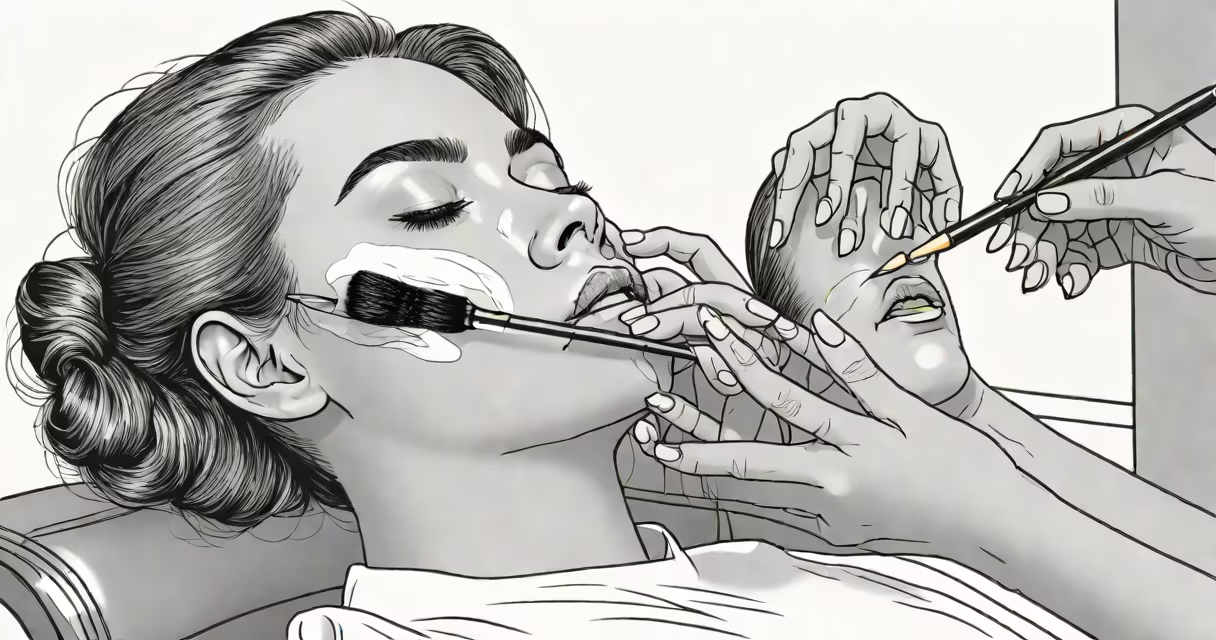
A cosmetologist is a licensed practitioner who specializes in non-medical skin care, hair removal, makeup application, and cosmetic treatments such as facials, waxing, and chemical peels. They work in salons, spas, and clinics to improve clients' appearance using beauty products and techniques, not medical interventions.
Cosmetologists are not physicians or dermatologists. Their training focuses on aesthetics, hygiene, and client comfort rather than diagnosing or treating skin diseases. A state-issued license confirms they've completed a minimum of 1,000 hours of classroom and hands-on training, typically through a vocational school or accredited program.
The term "cosmetologist" often appears alongside "esthetician," which refers to a similar role focused specifically on skin care. While both titles are sometimes used interchangeably, state laws may distinguish between them. For example, in California, estheticians are limited to non-invasive treatments, while cosmetologists may perform additional services like hair coloring and styling.
Cosmetologists assess skin type, condition, and concerns during a consultation. They then recommend or apply treatments tailored to individual needs. Common procedures include deep-cleansing facials, microdermabrasion, LED light therapy, and waxing. These services aim to improve skin texture, reduce oiliness, and minimize visible signs of aging.
For example, a client with oily skin and mild acne might receive a customized facial involving a salicylic acid cleanser, a clay mask, and a hydrating serum. The cosmetologist uses tools like facial steaming devices and extraction kits, always following sanitation protocols to prevent infection. All equipment is sterilized between clients, and single-use applicators are standard practice.
Unlike dermatologists, cosmetologists do not prescribe medications or perform surgical procedures. They cannot treat conditions like psoriasis, rosacea, or skin cancer. If a client shows signs of a medical skin issue-such as persistent rashes, lesions, or unexplained discoloration-the cosmetologist refers them to a licensed physician.
While the core function remains consistent, roles vary by specialization and regional licensing. Below is a comparison of common categories:
| Type | Primary Focus | Common Treatments | Licensing Requirements |
|---|---|---|---|
| Esthetician | Skin care and facial treatments | Facials, waxing, chemical peels, microcurrent therapy | State-specific exam; 600-1,000 hours of training |
| Cosmetologist | Full-service beauty: skin, hair, nails | Styling, coloring, permanent makeup, nail art | Broader curriculum; includes hair and nail modules |
| Aesthetician (Advanced) | Medical-grade skin care under supervision | Radiofrequency treatments, laser hair removal (in some states) | Additional certification; often requires physician oversight |
Some states allow advanced estheticians to operate certain lasers or injectable fillers-but only under direct supervision by a licensed physician. In New York, for instance, only registered nurses or doctors may administer Botox. Cosmetologists cannot perform these procedures even if trained.
One key distinction often missed: cosmetologists do not diagnose skin conditions. A client with a sudden rash after using a new product should see a dermatologist, not a cosmetologist. Misdiagnosing a fungal infection as dryness could worsen the problem. This boundary protects both clients and practitioners.
Cosmetologists serve clients seeking routine skin maintenance, preventative care, and aesthetic enhancement. They're commonly found in spas, boutique salons, hotel wellness centers, and dermatology clinic satellite locations.
For example, a woman preparing for a wedding might book a full facial and makeup session with a cosmetologist three days prior. The treatment includes cleansing, exfoliation, hydration, and contouring with long-wear products. The goal is to achieve a radiant, polished look without surgery or downtime.
Businesses also employ cosmetologists for employee wellness programs. A tech company in Austin offers quarterly spa days featuring free facials and scalp massages. The cosmetologist provides stress relief and boosts morale-without requiring medical authorization.
Cosmetologists do not replace dermatologists. According to the American Academy of Dermatology Association, dermatologists treat over 30 million skin conditions annually, including melanoma, eczema, and severe acne. Cosmetologists support skin health but don't intervene in disease processes.
Many people assume a cosmetologist can treat acne or remove scars. This is incorrect. While they can improve surface texture and reduce shine, they cannot reverse scarring or clear cystic acne. These require prescription retinoids, antibiotics, or isotretinoin-prescribed only by a doctor.
Another frequent mix-up: thinking that "cosmetologist" and "dermatologist" mean the same thing. They do not. Dermatologists are MDs or DOs who complete four years of medical school, a residency in dermatology, and pass board exams. They diagnose and treat skin, hair, and nail disorders, including cancers and autoimmune conditions.
I once observed a client at a high-end spa request a "skin check" from a licensed cosmetologist. When the client showed a new mole, the cosmetologist paused, asked about changes in size or color, and recommended seeing a dermatologist immediately. That moment highlighted the professional boundary: recognition of red flags, not treatment.
Also, not all "facial" services are equal. A 30-minute spa facial with a sheet mask and massage may feel relaxing but offer minimal clinical benefit. A 90-minute medical-grade facial performed by a certified aesthetician includes pH testing, targeted serums, and post-treatment sun protection advice. The difference lies in training, tools, and intent.
Understanding what a cosmetologist means involves recognizing their role as a non-medical beauty expert. They focus on enhancing appearance through safe, non-invasive treatments. Their work complements medical dermatology but does not replace it.
If you're considering a career in skin care, pursue a state-approved cosmetology program. For medical concerns, consult a dermatologist. Knowing the difference ensures better outcomes and safer experiences.