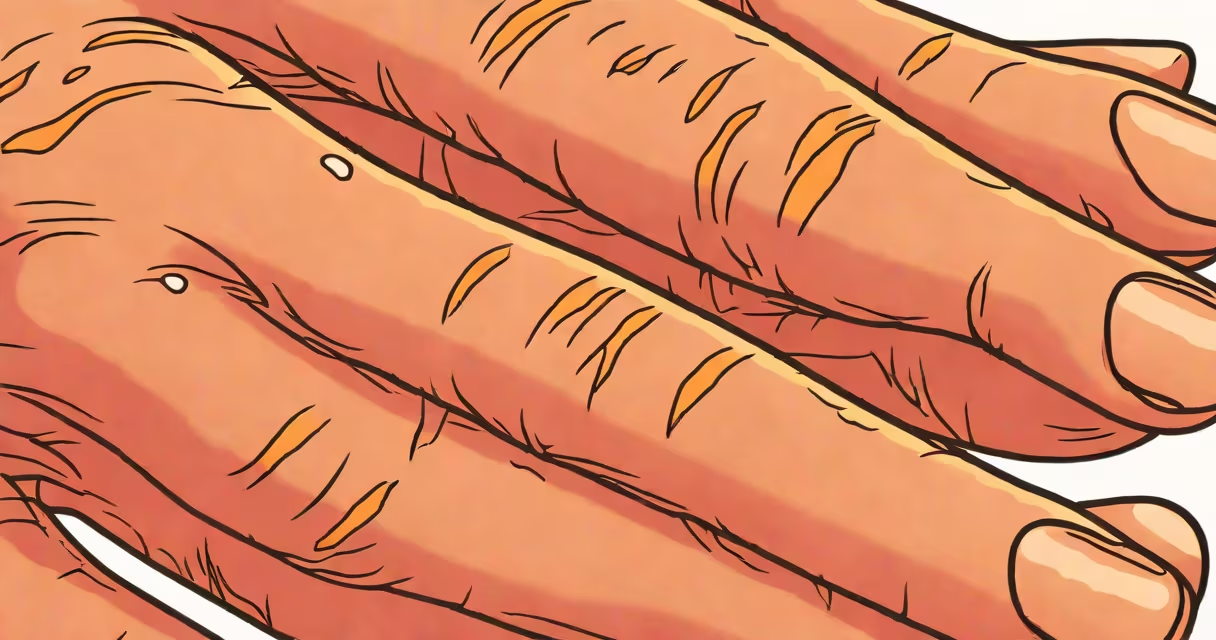
Dermatomycosis is a fungal infection of the skin, hair, or nails caused by a group of fungi called dermatophytes. These organisms thrive on keratin, the protein found in dead skin cells, hair, and nails. The condition presents as red, scaly, ring-shaped rashes that often itch and spread outward.
Dermatophytes belong to three genera: *Trichophyton*, *Microsporum*, and *Epidermophyton*. They infect the outermost layer of the skin-stratum corneum-and do not invade deeper tissues. Infection occurs through direct contact with an infected person, animal, or contaminated surfaces such as shower floors or shared towels. Warm, moist environments increase transmission risk.
The most common forms of dermatomycosis are tinea pedis (athlete's foot), tinea cruris (jock itch), tinea corporis (ringworm of the body), and tinea capitis (scalp ringworm). Diagnosis typically involves visual inspection, potassium hydroxide (KOH) scraping to detect fungal hyphae under a microscope, and sometimes culture testing. Treatment includes antifungal creams, oral medications, and strict hygiene practices.
Fungi responsible for dermatomycosis grow by breaking down keratin into nutrients they can absorb. They secrete enzymes like keratinases that degrade the structural protein in skin and hair. This breakdown leads to inflammation, flaking, and the characteristic circular pattern seen in many cases.
Transmission happens via direct skin-to-skin contact or indirect contact with fomites-objects that carry infectious agents. Public showers, locker rooms, and swimming pools are high-risk areas due to damp conditions and frequent foot traffic. A single exposure can lead to infection, especially if the immune system is compromised or skin integrity is broken.
Once established, the fungus spreads radially, forming concentric rings. The center may clear while the outer edge remains inflamed and raised. This appearance gives rise to the term "ringworm," though no worm is involved. The name reflects the visual pattern, not the cause.
Different types of dermatomycosis are classified by location. The following table outlines the primary forms:
| Type | Common Name | Causal Organism | Typical Symptoms |
|---|---|---|---|
| Tinea corporis | Ringworm (body) | *Trichophyton rubrum*, *T. mentagrophytes* | Red, itchy, ring-shaped patches on arms, legs, or torso |
| Tinea pedis | Athlete's foot | *T. rubrum*, *T. mentagrophytes* | Itching, cracking, peeling between toes; sometimes blistering |
| Tinea cruris | Jock itch | *T. rubrum*, *T. mentagrophytes* | Red, itchy rash in groin fold; spreads to inner thighs |
| Tinea capitis | Scalp ringworm | *T. tonsurans*, *M. canis* | Scaly patches, hair loss, swollen lymph nodes in children |
| Tinea unguium | Nail fungus | *T. rubrum*, *T. mentagrophytes* | Nails thicken, discolor (yellow/brown), become brittle |
Each variant responds differently to treatment. For example, tinea capitis often requires oral antifungals because topical treatments cannot penetrate the scalp's thick stratum corneum effectively. Tinea unguium may take months to resolve due to slow nail growth.
Dermatomycosis thrives in warm, humid climates and indoor settings with poor ventilation. High rates are reported in tropical regions and among athletes who wear tight footwear for extended periods. A 2021 study published in *The Journal of Clinical and Aesthetic Dermatology* found that tinea pedis affects approximately 15% of adults globally, with higher prevalence in men and individuals in military service.
Occupational risks include jobs involving prolonged moisture exposure-such as dishwashers, chefs, and healthcare workers using gloves. Shared facilities like gyms, dormitories, and daycare centers amplify transmission. Children are particularly vulnerable to tinea capitis due to close contact during play and less consistent hygiene habits.
Contrary to popular belief, dermatomycosis is not caused by poor hygiene alone. While cleanliness reduces risk, anyone can contract it through environmental exposure. Even people with excellent personal care routines can develop infections after walking barefoot in public pools or borrowing shoes.
Dermatomycosis is frequently mistaken for eczema, psoriasis, or allergic reactions. Unlike fungal infections, these conditions are inflammatory or autoimmune in origin and do not respond to antifungal therapy. Misdiagnosis delays proper treatment and can worsen symptoms.
A key diagnostic clue is the presence of a central clearing area with a raised, scaly border. This pattern is rare in non-fungal skin disorders. However, some atypical presentations-such as widespread scaling or absence of ring formation-can mimic other diseases. In such cases, KOH microscopy or fungal culture confirms the diagnosis.
Another misconception is that dermatomycosis only affects the skin. In reality, it can involve hair and nails. *T. tonsurans*, a common cause of tinea capitis, spreads easily among schoolchildren and can lead to permanent hair loss if untreated. Similarly, nail fungus can progress to painful deformity and secondary bacterial infection.
In 2019, a high school wrestling team in Ohio experienced a tinea pedis outbreak. Over 12 athletes developed symptoms within two weeks after competing in a tournament held in a poorly ventilated gym. All had worn the same type of wrestling shoes and used communal mats. A dermatologist confirmed the diagnosis via KOH scraping showing branching hyphae. The entire team was treated with a combination of topical clotrimazole and oral terbinafine. After four weeks, all symptoms resolved, and no further cases were reported.
This case illustrates how dermatomycosis spreads rapidly in closed environments and underscores the importance of early diagnosis and targeted treatment. It also shows that even healthy individuals are susceptible when exposed to high-risk conditions.
I once treated a patient with persistent tinea cruris that failed to improve with over-the-counter antifungal cream. The rash had spread beyond the groin to the inner thigh and lower abdomen. Upon examination, I noticed the typical annular pattern with central clearing. A KOH test revealed fungal elements. Switching to a prescription-strength terbinafine cream and advising the patient to avoid tight clothing and damp underwear led to complete resolution in six weeks. The case reminded me that symptom persistence demands clinical evaluation-not just self-treatment.
Dermatomycosis is a treatable condition when correctly identified. Early intervention prevents complications such as secondary bacterial infections, scarring, or permanent nail damage. Recognizing the signs-ring-shaped rashes, itching, scaling-leads to faster recovery. Understanding the difference between fungal and non-fungal skin conditions ensures appropriate care. What is dermatomycosis? It is a fungal infection of the skin, hair, or nails caused by dermatophytes, requiring accurate diagnosis and targeted antifungal therapy.