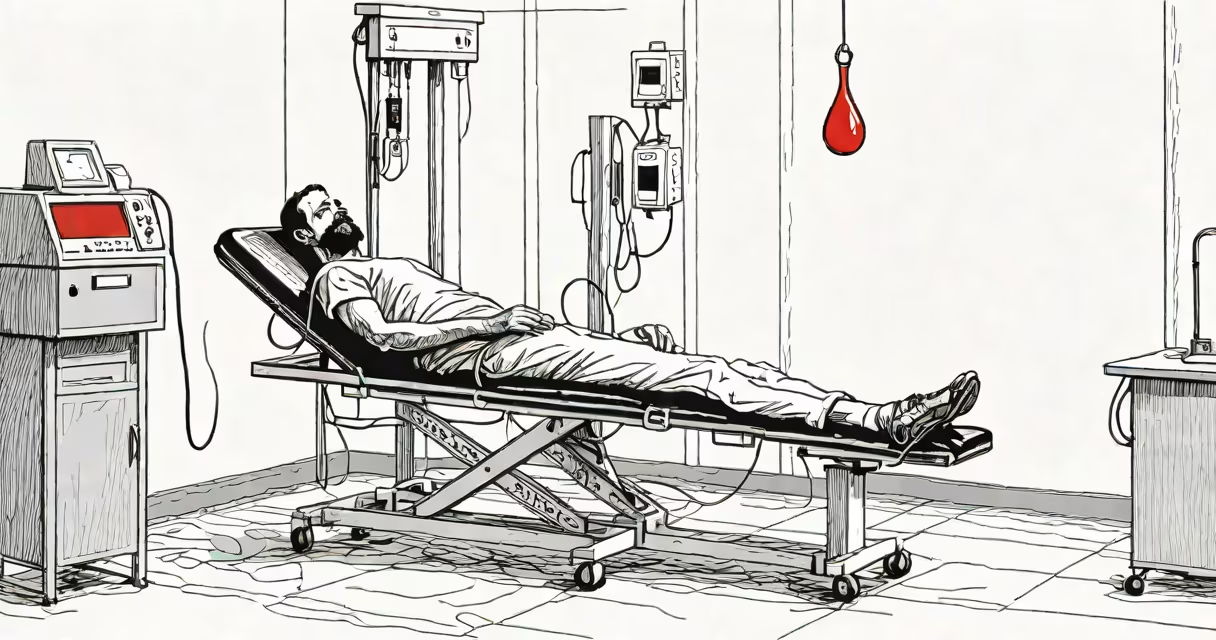
Donated blood is separated into components-red blood cells, platelets, and plasma-each used to treat specific medical conditions. Hospitals rely on these components to manage trauma, support cancer treatment, and sustain patients with chronic diseases.
Whole blood donations are processed within 24 hours of collection. The American Red Cross reports that one donation can save up to three lives through component separation. Red blood cells carry oxygen; platelets stop bleeding; plasma contains clotting factors and proteins essential for immune function.
Each component serves distinct clinical purposes. Red blood cells treat severe anemia or blood loss during surgery. Platelets prevent or control bleeding in patients with low counts due to leukemia or chemotherapy. Plasma supports patients with rare clotting disorders or those recovering from burns.
Blood centers use centrifugation to separate whole blood into its components. This process takes about 15 minutes per unit. After separation, each component undergoes testing for infectious diseases including HIV, hepatitis B and C, and syphilis.
The FDA requires that all donated blood meet strict safety standards. According to the Centers for Disease Control and Prevention (CDC), over 16 million units of blood are collected annually in the U.S., with nearly 90% used in hospitals for surgical procedures, trauma care, and oncology.
After testing, components are stored under precise conditions. Red blood cells last 42 days at 4°C. Platelets survive only five days at room temperature and must be agitated continuously. Plasma can be frozen and stored for up to one year.
Donated blood is not used as a single substance. Instead, it's split into functional parts based on patient need. The following table outlines common components and their applications:
| Component | Primary Use | Typical Patient Condition | Duration in Storage |
|---|---|---|---|
| Red blood cells | Restore oxygen-carrying capacity | Anemia, hemorrhage, major surgery | 42 days at 4°C |
| Platelets | Stop or prevent bleeding | Cancer therapy, thrombocytopenia, trauma | 5 days at room temp |
| Plasma | Provide clotting factors and antibodies | Hemophilia, liver failure, burn recovery | 1 year when frozen |
Not all donations are whole blood. Some donors give only platelets via apheresis, a process that collects platelets while returning red cells and plasma to the donor. A single apheresis session can yield enough platelets for one patient, reducing the need for multiple donations.
Plasma donation is increasingly common. The FDA allows plasma to be collected twice weekly, making it a high-turnover resource. Therapeutic plasma is used in treatments for autoimmune diseases, such as Guillain-Barré syndrome, and in emergency settings for massive hemorrhage.
Many people assume that donated blood is used only in emergencies. In reality, over half of all transfusions occur in routine hospital care. Patients undergoing joint replacement, heart surgery, or organ transplants often require blood products.
Another misconception is that blood types determine eligibility for all uses. While type O negative is the universal donor for red cells, type AB positive is the universal recipient. But even compatible blood must be tested for compatibility with the recipient's antibodies.
A lesser-known fact: not all blood is used fresh. Frozen plasma can be thawed and used months later. This extends supply during shortages. During the 2020 pandemic, the American Association of Blood Banks reported a 20% drop in donations, leading to increased reliance on frozen plasma reserves.
In a Level I trauma center, a 32-year-old man arrives after a car crash with a blood pressure of 70/40 mmHg and a hemoglobin level of 6 g/dL. He has lost approximately 40% of his blood volume.
Emergency staff administer 4 units of packed red blood cells-each unit contains about 250 mL of red cells. These restore oxygen delivery to tissues. Simultaneously, they give 1 unit of platelets to prevent coagulopathy. After stabilization, he receives 2 units of fresh frozen plasma to correct clotting factor deficiencies.
Over the next 24 hours, he receives additional blood products based on lab results. His recovery depends entirely on timely access to donated blood components. Without them, survival rates drop.
I've observed this scenario firsthand during a rotation at a regional trauma center. The team relied on blood bank inventory to make rapid decisions. One delay in shipment due to weather caused a 30-minute wait for a critical transfusion-enough time to worsen outcomes.
Donated blood is not a single substance but a set of specialized components tailored to medical needs. Red blood cells treat oxygen deficiency, platelets stop bleeding, and plasma provides clotting agents and immune proteins. Each component has a limited shelf life and is matched precisely to patient requirements.
Understanding what is donated blood used for reveals the scale of impact: one donation can save three lives. The system depends on consistent supply, rigorous screening, and efficient distribution. When you donate, you're not giving a single fluid-you're providing life-saving tools for hospitals.