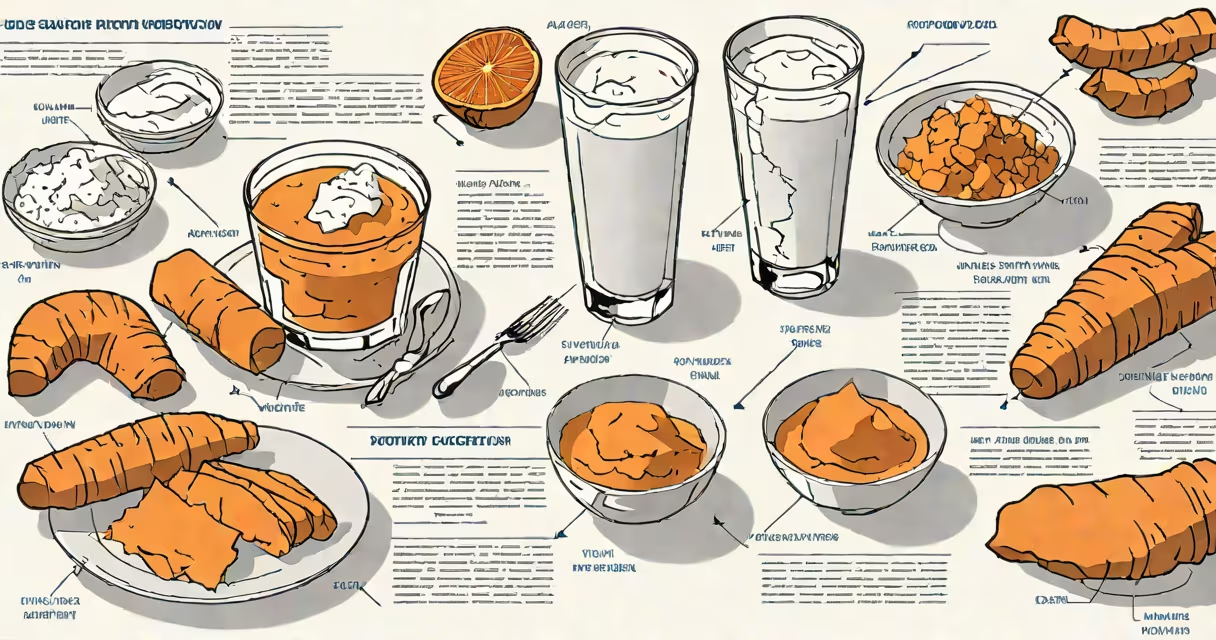
After tooth extraction, consume only cool, soft, and non-irritating foods and liquids for the first 24 hours to protect the blood clot forming in the socket. Avoid hot, spicy, crunchy, or alcoholic drinks and foods. This approach reduces the risk of dry socket and supports healing.
During the initial recovery phase, your mouth is vulnerable. The surgical site forms a blood clot that stabilizes the area and protects underlying bone and nerves. Dislodging this clot-by sucking through a straw, vigorous rinsing, or eating hard foods-can lead to dry socket, a painful condition requiring medical attention. The American Dental Association (ADA) confirms that proper diet and hydration are critical during early recovery.
For the first 24 hours, stick to cold or room-temperature liquids and pureed or soft foods. After that, gradually reintroduce mildly textured options as comfort allows. Most patients can return to normal eating within 3-5 days, depending on the complexity of the extraction.
The body creates a blood clot in the empty tooth socket immediately after surgery. This clot acts as a natural bandage, shielding the exposed bone and nerve endings. If the clot dissolves prematurely-due to suction, physical activity, or improper food choices-the site becomes inflamed and extremely sensitive. This condition is known as dry socket.
Dry socket occurs in about 1-3% of routine extractions and up to 30% in impacted wisdom tooth removals, according to the Journal of Oral and Maxillofacial Surgery. Pain typically begins 1-3 days after surgery and may radiate to the ear or temple. Early dietary mistakes are a leading cause.
Saliva flow increases during eating. If you chew on the extraction side too soon, pressure can dislodge the clot. Cold foods reduce swelling and numb pain temporarily, which is why ice packs and chilled liquids are recommended in the first few hours.
Choose foods that require minimal chewing and do not irritate the surgical site. Focus on temperature control, texture, and nutritional balance. Below is a breakdown of safe options by category.
| Type | Safe Options | Avoid |
|---|---|---|
| Liquids | Water, coconut water, herbal tea (cooled), low-sugar electrolyte drinks | Alcohol, carbonated beverages, hot coffee, energy drinks |
| Soft Foods | Mashed potatoes, oatmeal, scrambled eggs, yogurt, applesauce, pureed soups | Crunchy chips, nuts, popcorn, raw vegetables, tough meats |
| Protein Sources | Pureed beans, tofu, cottage cheese, protein shakes (blended) | Steak, chicken breast, fish with bones, grilled meats |
For example, a patient who had a lower molar removed should start with cooled broth-based soup in a bowl, eaten slowly with a spoon. They can follow with a small portion of mashed banana and a glass of water. Avoid using a straw-even for water-to prevent negative pressure that disrupts the clot.
One non-obvious fact: dairy products like milk and yogurt are safe despite old myths. The ADA states that lactose-containing foods do not increase infection risk. However, avoid sour or acidic yogurts, which can irritate the wound.
Many assume that "soft" means "any mushy food." That's incorrect. A hard piece of toast, even if slightly warmed, can damage the clot. Similarly, drinking through a straw-even for water-is strictly prohibited. The suction action can pull the clot loose, increasing dry socket risk by up to 40%, per a 2021 study in the International Journal of Dentistry.
Another common error: eating on the extraction side too soon. Even if the area feels numb, chewing on that side applies pressure. Use the opposite side of the mouth. If you're unsure, place a finger gently on the extraction site-any tenderness means avoid chewing there.
Some patients think they can resume normal eating after 24 hours. While mild progress is possible, most dentists recommend staying on soft foods for at least 3 days. Rushing can lead to reopening the site or introducing bacteria.
I had a lower left wisdom tooth extracted. My dentist advised me to stay off solid foods for 48 hours. On Day 1, I drank only water and ate a small bowl of lukewarm oatmeal with a spoon. I avoided talking much to reduce jaw movement.
On Day 2, I added a tablespoon of plain Greek yogurt and a cup of cooled chamomile tea. I used a straw only to sip water from a bottle with a lid-no suction. By Day 3, I tried a soft scrambled egg, which I ate slowly and without chewing on the affected side.
If you experience severe pain, bad breath, visible bone in the socket, or a foul taste after 48 hours, contact your oral surgeon. These signs indicate possible dry socket or infection. Do not delay treatment.
For daily care, gentle saltwater rinses (1/2 teaspoon salt in 8 oz warm water) can begin after 24 hours. Do not swish aggressively. This helps remove debris without disturbing the clot.
Recovery from tooth extraction hinges on smart food and drink choices. What to eat and drink after tooth extraction isn't just about comfort-it's about preventing complications. Stick to cool, soft, non-irritating options. Avoid straws, alcohol, and crunchy textures. Follow these guidelines to heal safely and quickly.