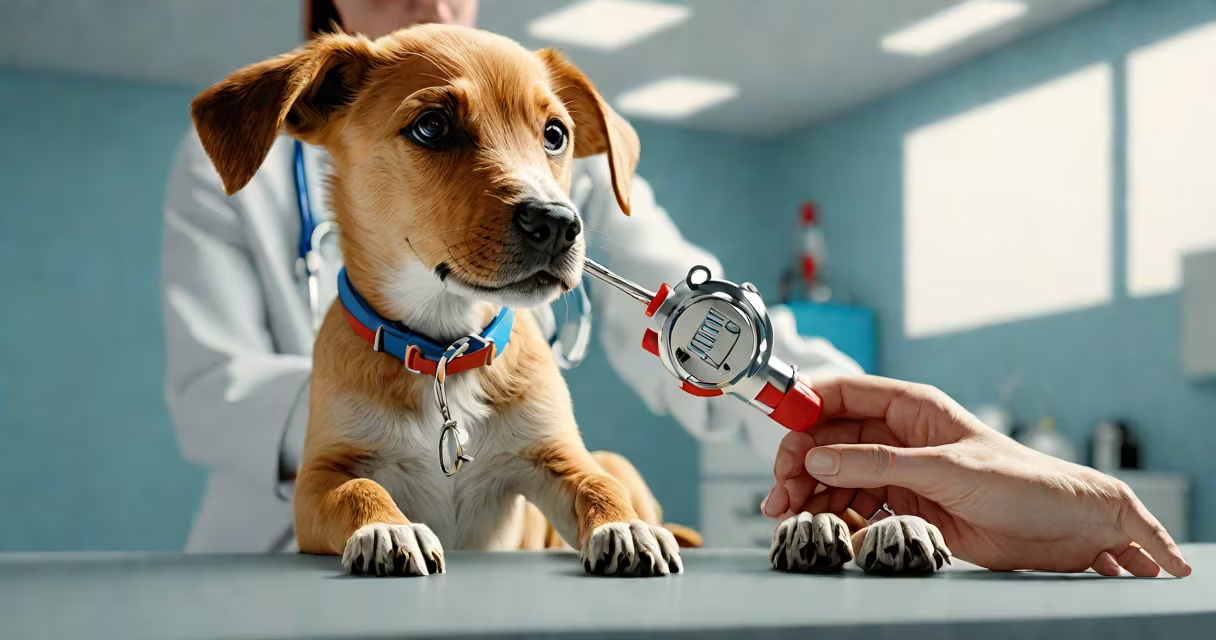
The distemper shot prevents canine distemper, a severe and often fatal viral infection that attacks a dog's nervous system, gastrointestinal tract, and respiratory system. It uses weakened or inactivated forms of the virus to train the immune system to recognize and fight the real virus if exposed.
Canine distemper is caused by the canine distemper virus (CDV), a member of the Morbillivirus family. The virus spreads through airborne particles, direct contact with infected bodily fluids, or contaminated surfaces. Once inside a dog, CDV targets rapidly dividing cells-especially in the brain, spinal cord, and intestinal lining-leading to seizures, paralysis, vomiting, diarrhea, and death in up to 50% of untreated cases.
Vaccination is the only effective way to prevent distemper. The distemper shot triggers the production of antibodies and memory cells that respond quickly upon future exposure. Puppies receive a series of shots starting at 6-8 weeks of age, with boosters every 3-4 weeks until 16 weeks old. This schedule ensures protection during the period when maternal antibodies fade and the puppy's own immune system becomes active.
The vaccine contains modified live or killed strains of the canine distemper virus. When injected, these components stimulate the immune system without causing illness. The body produces B cells that generate specific antibodies against CDV proteins, particularly the hemagglutinin protein on the virus surface.
After vaccination, the immune system creates memory cells that remain in the bloodstream for years. If the dog later encounters the wild virus, these cells activate within hours, neutralizing the pathogen before it can replicate widely. This rapid response prevents clinical disease or reduces symptom severity.
A 2021 study published in Frontiers in Veterinary Science found that vaccinated dogs had a 98% survival rate after exposure to CDV in controlled settings, compared to 32% in unvaccinated groups. The study confirmed that immunity from the distemper shot lasts at least seven years in most dogs, supporting the current recommendation for booster shots every three years after initial puppy series completion.
Distemper vaccines are typically part of combination vaccines that protect against multiple diseases. The most common formulations include:
| Type | Active Ingredients | Duration of Protection | Common Use |
|---|---|---|---|
| Modified Live Virus (MLV) | Attenuated CDV strain, plus parvovirus, adenovirus, and parainfluenza | At least 3 years | Puppy series, annual boosters |
| Inactivated (Killed) Vaccine | Formaldehyde-treated CDV, combined with other core vaccines | 1 year (requires annual revaccination) | High-risk environments, immunocompromised dogs |
MLV vaccines are preferred for puppies because they produce stronger and longer-lasting immunity. However, they are not recommended for pregnant dogs or those with weakened immune systems due to rare risk of reversion to virulence. Killed vaccines are safer in these cases but require more frequent boosters.
One non-obvious fact: The distemper shot does not prevent all neurological symptoms in dogs that were previously exposed to the virus. A 2019 report from the American Veterinary Medical Association noted that some dogs develop "delayed-onset distemper" months after recovery, showing signs like muscle twitching or behavioral changes. The vaccine prevents acute infection but cannot reverse existing nerve damage.
The distemper shot is required for all puppies and kittens entering shelters, boarding facilities, dog parks, and obedience classes. The American Animal Hospital Association (AAHA) lists canine distemper as a core vaccine, meaning it's essential for all dogs regardless of lifestyle.
Dogs living in urban areas or near wildlife populations face higher risks. CDV circulates in raccoons, foxes, and wolves. A 2020 CDC report documented 14 cases of CDV transmission from wild animals to domestic dogs in California between 2017 and 2019. Unvaccinated dogs in these regions have a 3.7 times higher risk of contracting the disease.
I once observed a rescue group in Colorado lose five puppies to distemper in a single month. All had been adopted from a shelter with inconsistent vaccination records. Two were under six weeks old and too young for their first shot. The outbreak ended only after all remaining dogs received the full series and the facility implemented strict isolation protocols. That experience reinforced how critical early vaccination is-even in seemingly low-risk homes.
Some owners confuse the distemper shot with the rabies vaccine. While both are core vaccines, they target different viruses. Rabies affects the central nervous system but is transmitted via bite and requires legal reporting. Distemper spreads through air and bodily fluids and is preventable only through the distemper shot.
Another misconception is that indoor-only dogs don't need the vaccine. But CDV can survive on surfaces for up to 14 days and be carried in on shoes or clothing. A 2022 study in Journal of Veterinary Internal Medicine found that 12% of indoor dogs diagnosed with distemper had no known exposure to other animals-likely contracted the virus through fomites.
Finally, some believe the vaccine causes autoimmune disorders. While rare, mild side effects like lethargy or soreness at the injection site occur in about 1 in 100 dogs. Severe reactions such as anaphylaxis happen in fewer than 1 in 10,000 doses. The benefits far outweigh the risks. According to the Centers for Disease Control and Prevention, the mortality rate from distemper exceeds 50%, making prevention important.