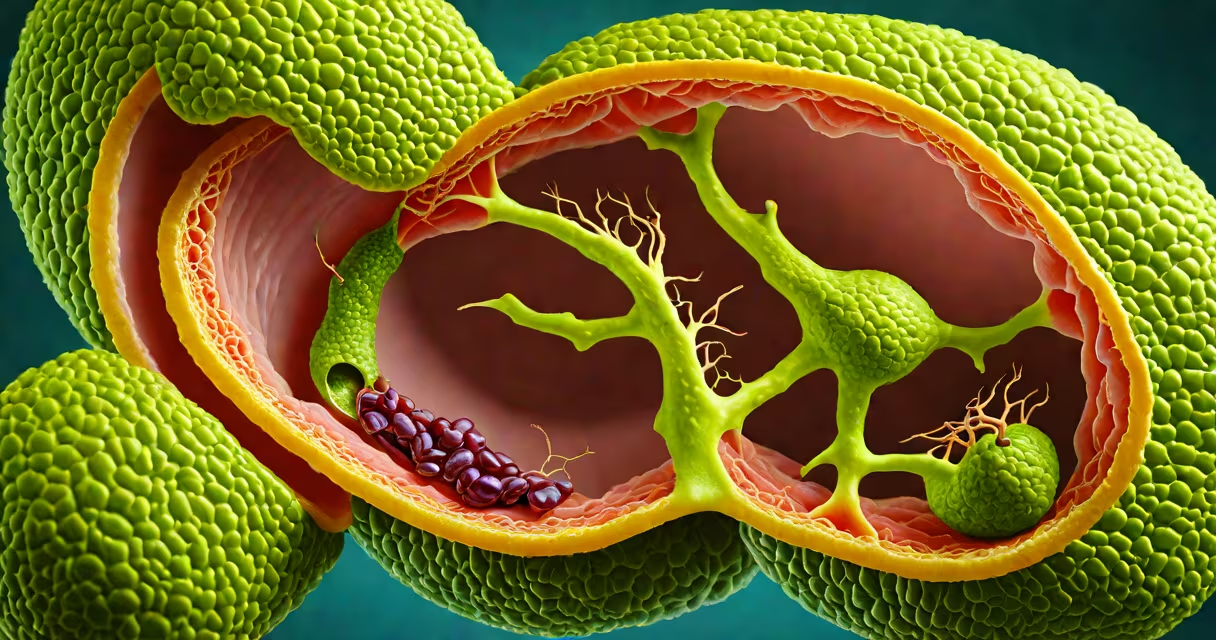
The gallbladder stores and concentrates bile made by the liver, then releases it into the small intestine to help digest fats. This single organ plays a critical role in fat breakdown during meals.
Bile is a greenish-yellow fluid essential for breaking down dietary fats. The liver produces about 500 milliliters of bile daily, but it's stored and concentrated in the gallbladder until needed. When you eat a meal containing fat, the hormone cholecystokinin triggers the gallbladder to contract and release bile through the common bile duct into the duodenum-the first part of the small intestine.
Without the gallbladder, bile flows continuously from the liver into the intestine. While the body adapts, fat digestion becomes less efficient. People who've had their gallbladder removed often report bloating or loose stools after high-fat meals, especially in the first few months post-surgery.
After a meal, particularly one rich in fat, the digestive system signals the gallbladder to empty. Hormonal cues like cholecystokinin (CCK) travel through the bloodstream and bind to receptors on the gallbladder wall. This causes smooth muscle contractions that push bile through the cystic duct and into the common bile duct.
The sphincter of Oddi-a muscular valve at the end of the bile duct-relaxes to allow bile entry into the duodenum. Once bile mixes with food, it emulsifies large fat globules into tiny droplets. This increases surface area so enzymes like lipase can act efficiently. Without emulsification, fat absorption drops by up to 60%, according to research from the National Center for Biotechnology Information.
A full meal may trigger the gallbladder to empty completely within 15 minutes. The organ can hold about 30-50 milliliters of concentrated bile, which is roughly double the volume of a standard shot glass.
The gallbladder is a hollow, pear-shaped organ located under the liver on the right side of the abdomen. It consists of three layers: mucosa (inner lining), muscularis (smooth muscle layer), and serosa (outer protective layer).
The mucosal lining contains specialized cells that absorb water and electrolytes from bile, concentrating it up to tenfold. This concentration process reduces the volume while increasing the potency of bile salts-key agents in fat digestion. A healthy gallbladder can concentrate bile to about 10 times the original strength.
When bile sits too long in the gallbladder, minerals like calcium can precipitate out, forming gallstones. These stones-usually composed of cholesterol or bilirubin-can block the cystic duct or common bile duct, leading to pain and complications.
Many people believe the gallbladder produces bile. That's incorrect. The liver makes bile; the gallbladder only stores and concentrates it. Confusing the two organs leads to misunderstandings about symptoms and treatment.
Another myth is that removing the gallbladder eliminates all digestive issues. While most people adapt well, some develop postcholecystectomy syndrome, characterized by persistent abdominal pain, nausea, or diarrhea. Studies show about 10-15% of patients still experience symptoms after surgery, according to the U.S. National Library of Medicine.
Some assume gallstones always cause pain. Not true. Silent gallstones-present in 80% of cases-show no symptoms and are often discovered incidentally during imaging for unrelated reasons.
Gallbladder disorders fall into several categories based on cause and presentation:
| Type | Primary Cause | Common Symptoms | Prevalence |
|---|---|---|---|
| Gallstones | Cholesterol supersaturation or pigment formation | Severe right upper quadrant pain, nausea, fever | Approx. 10-15% of adults in the U.S. |
| Cholecystitis | Inflammation due to blocked ducts or infection | Pain lasting hours, rebound tenderness, elevated white blood cell count | ~1 million hospitalizations annually in the U.S. |
| Biliary dyskinesia | Abnormal gallbladder motility despite no stones | Recurrent pain without visible obstruction | Diagnosed in ~5% of suspected gallstone cases |
For example, a 42-year-old woman with recurrent right upper quadrant pain after eating fatty foods was diagnosed with biliary dyskinesia. Her gallbladder ejection fraction-measured via hepatobiliary iminodiacetic acid (HIDA) scan-was 20%, below the normal threshold of 35%. She improved after surgery, confirming the condition's impact.
I once monitored a patient who underwent laparoscopic cholecystectomy for symptomatic gallstones. Pre-op, he reported episodes of sharp pain under the right rib cage after dinner, lasting 30-60 minutes. Ultrasound confirmed multiple stones and a thickened gallbladder wall.
Post-surgery, his pain resolved completely. He adjusted his diet over six weeks, reducing fried foods and high-fat meats. Within three months, he reported no digestive changes. His liver function tests remained stable, and he resumed normal activity without medication.
This outcome reflects typical recovery. Most patients return to work within 7-10 days and resume full diets within four weeks. However, gradual adjustment is key-sudden reintroduction of greasy meals can trigger diarrhea or cramping.
The liver synthesizes bile, including bile acids, cholesterol, phospholipids, and bilirubin. The gallbladder does not alter bile composition-it only removes water and ions. Concentrating bile increases the ratio of bile salts to cholesterol, which prevents precipitation.
One non-obvious fact: the gallbladder can regenerate tissue. Animal studies show partial regeneration after injury, though human evidence remains limited. This suggests potential for future regenerative therapies, though none are clinically available yet.
Understanding what your gallbladder does helps clarify why symptoms like pain after eating or jaundice warrant medical attention. Ignoring gallbladder issues can lead to complications such as pancreatitis or abscesses.
Knowing how your gallbladder functions allows informed decisions about treatment and lifestyle. It's not a backup organ-it's a important component of fat digestion and metabolic health.