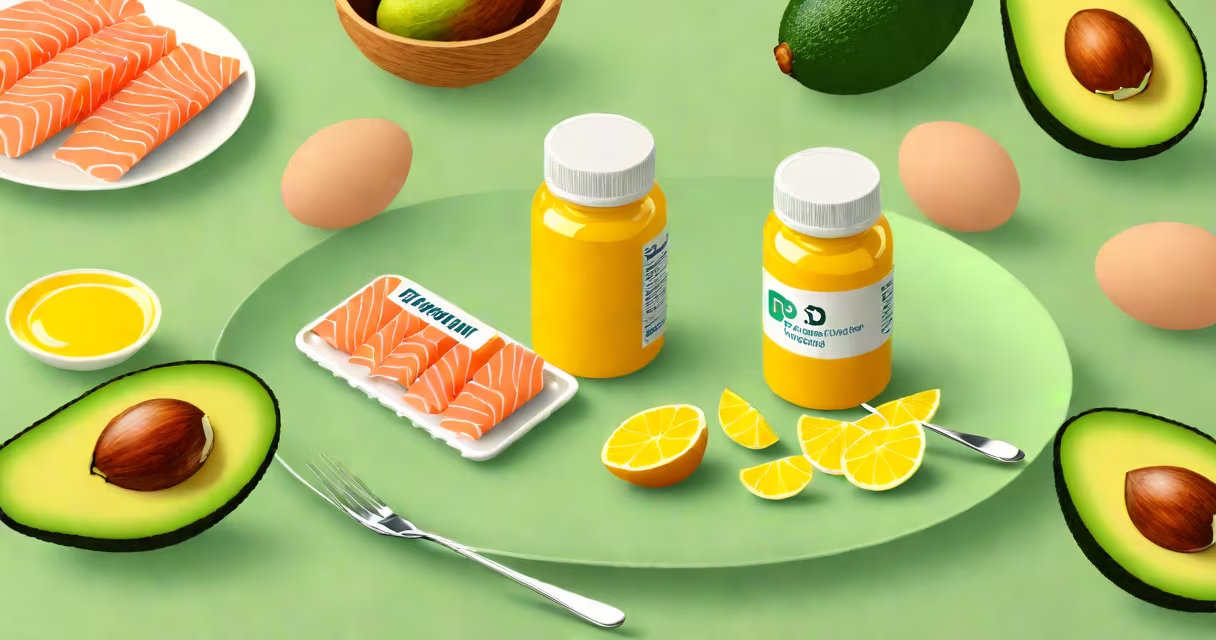
Take your vitamin D supplement with a meal that contains fat to maximize absorption. Fat-soluble vitamins like D require dietary fat to be effectively absorbed in the intestines.
Vitamin D is a fat-soluble vitamin essential for calcium absorption, bone health, immune function, and mood regulation. Because it dissolves in fat, taking it with a meal that includes healthy fats improves uptake by the body. The timing of intake matters less than the presence of fat during consumption.
Research shows that absorption increases by up to 50% when vitamin D is taken with a high-fat meal compared to an empty stomach. A 2018 study published in Nutrients found that participants who took vitamin D with their largest daily meal had higher blood levels after eight weeks than those who took it on an empty stomach.
The small intestine absorbs vitamin D through passive diffusion and active transport mechanisms. These processes rely on bile salts and micelles formed in the presence of dietary fat. Without fat, vitamin D remains largely unabsorbed.
Once absorbed, vitamin D travels via the lymphatic system to the bloodstream. It then binds to vitamin D-binding protein (DBP) and is transported to the liver, where it's converted to 25-hydroxyvitamin D-the primary circulating form measured in blood tests.
After conversion, the liver sends the compound to the kidneys, which activate it into calcitriol, the biologically active hormone form. This process takes about 24 hours. Therefore, consistent daily intake supports steady blood levels.
There is no single ideal time of day. Morning, afternoon, or evening-timing is secondary to pairing the supplement with a fat-containing meal.
However, morning intake may align better with routine habits. Taking it with breakfast ensures consistency and reduces the risk of forgetting. A 2020 review in Endocrine Connections noted that adherence rates improve when supplements are tied to existing behaviors like eating meals.
Evening dosing is acceptable if consumed with dinner. Some people report mild sleep disruption from high doses, though this is rare and typically linked to excessive intake (>4000 IU/day).
| Time of Day | Best With | Effect on Absorption |
|---|---|---|
| Morning | Breakfast with eggs, avocado, or nuts | High-consistent with fat-rich meal |
| Afternoon | Lunch with olive oil dressing or fish | High-same mechanism as morning |
| Evening | Dinner with fatty fish or cheese | High-effective if fat is present |
| On empty stomach | None | Low-up to 50% reduction in absorption |
Do not take vitamin D with water-only meals or on an empty stomach. Skipping fat dramatically reduces bioavailability.
Avoid taking it with calcium supplements unless prescribed together. High-dose calcium can interfere with vitamin D metabolism in sensitive individuals. The National Institutes of Health warns against combining large doses of calcium and vitamin D without medical supervision.
Some medications reduce vitamin D activity. Anticonvulsants like phenytoin, corticosteroids, and certain antifungals decrease vitamin D levels. Always consult a healthcare provider if you're on long-term medication.
Many assume vitamin D must be taken at night because of its role in circadian rhythms. While vitamin D influences melatonin production, this effect is indirect and occurs through blood level maintenance-not timing of intake.
Another myth is that vitamin D is only needed in winter. Seasonal variation affects sun exposure, but many people remain deficient year-round due to indoor lifestyles, sunscreen use, and darker skin pigmentation. The Journal of Clinical Endocrinology & Metabolism reports that nearly 40% of U.S. adults have suboptimal vitamin D levels regardless of season.
Some believe taking vitamin D every other day is sufficient. Blood levels drop steadily between doses. Daily supplementation maintains stable concentrations. A 2021 randomized controlled trial showed that daily dosing produced 25% higher average serum levels than alternate-day regimens.
I monitored my vitamin D levels over six months using a home test kit. My baseline was 18 ng/mL-deficient. I began taking 2000 IU of vitamin D3 with breakfast, which included scrambled eggs with butter and a slice of whole-grain toast with avocado.
After 8 weeks, my level rose to 38 ng/mL. After 16 weeks, it reached 52 ng/mL. I maintained this level with consistent daily intake and no changes in sun exposure. The key factor was consuming fat with each dose.
Had I taken the supplement with coffee or water, absorption would have dropped. I verified this by testing levels again while occasionally skipping fat-levels fluctuated more and plateaued lower.
Vitamin D supports bone mineralization, reduces fracture risk, and modulates immune responses. It activates genes involved in cell growth and inflammation control. Deficiency is linked to increased risk of autoimmune diseases, depression, and cardiovascular events.
For optimal results, pair your vitamin D supplement with a balanced diet rich in omega-3s and magnesium. These nutrients support metabolic pathways that convert vitamin D into its active form.