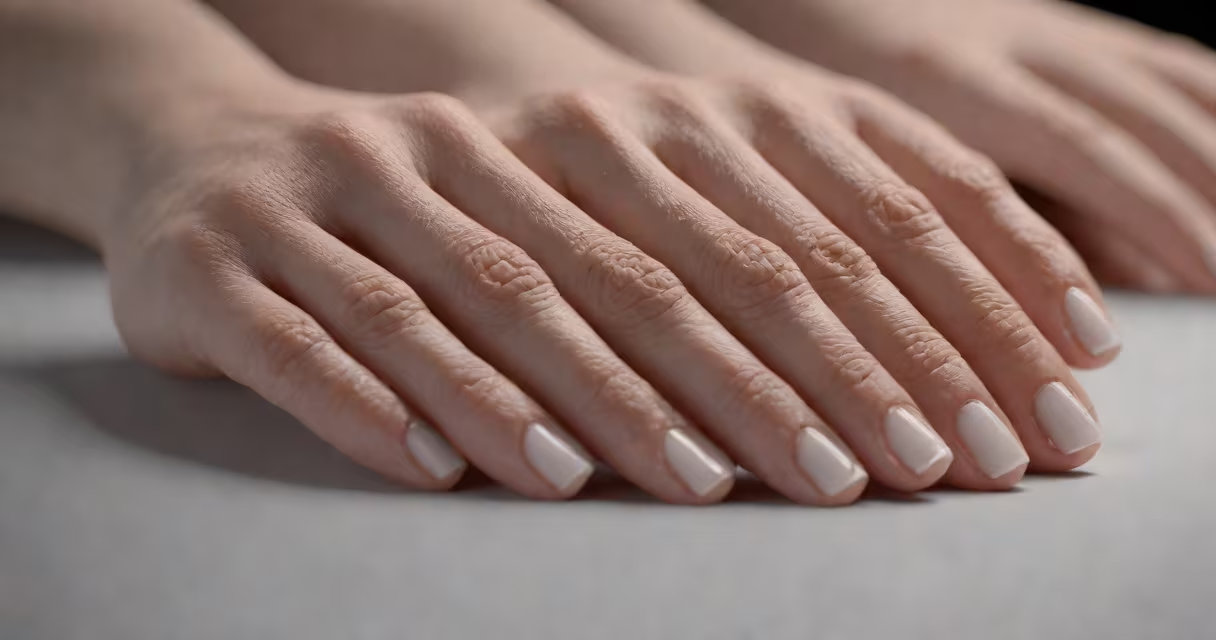
Fingers and toes feel cold when blood flow to the extremities decreases, nerves react to temperature changes, or an underlying condition affects circulation. This happens most often in cold environments but can occur even indoors during stress or fatigue.
Cold fingers and toes result from vasoconstriction-the narrowing of small blood vessels in the hands and feet. This reduces oxygen delivery and heat retention, making the skin feel numb or icy. The body prioritizes core organs during cold exposure, diverting blood away from limbs. This is normal in winter, but persistent coldness may signal a medical issue.
The American Heart Association notes that reduced blood flow to extremities can indicate cardiovascular strain or autonomic nervous system dysfunction. A 2021 study in Frontiers in Neurology found that 15% of people reporting cold hands had undiagnosed Raynaud's phenomenon, a condition where blood vessels overreact to cold or stress.
Blood vessels in the hands and feet contain smooth muscle that contracts in response to cold or stress hormones like norepinephrine. This contraction limits blood flow, conserving core body heat. Normally, this process reverses quickly when warmth returns. But in some cases, the vessels stay constricted longer than expected.
When blood flow drops, skin temperature drops below 32°C (90°F), triggering sensory nerves to send signals of coldness. This can cause tingling, numbness, or pain. In extreme cases, tissues may suffer damage if perfusion remains low for over 30 minutes.
A 2019 clinical trial published in Arthritis & Rheumatology showed that 68% of patients with primary Raynaud's experienced symptom onset before age 30. Symptoms typically begin with pallor (white coloration), progress to cyanosis (blue tint), then redness as blood returns.
Not all cold extremities stem from the same mechanism. Conditions fall into two categories: physiological (normal responses) and pathological (medical issues).
| Type | Common Triggers | Typical Duration | Associated Conditions |
|---|---|---|---|
| Physiological | Cold weather, anxiety, caffeine, tight clothing | Minutes to hours | Normal thermoregulation |
| Pathological | Raynaud's, diabetes, autoimmune diseases, hypothyroidism | Hours to days | Systemic illness, vascular disorders |
Primary Raynaud's occurs without an underlying disease. It affects about 5% of the population, mostly women under 40. Secondary Raynaud's develops alongside another condition-most commonly lupus, scleroderma, or rheumatoid arthritis. According to the National Institute of Arthritis and Musculoskeletal and Skin Diseases, secondary Raynaud's is more likely to cause tissue damage.
Diabetes can lead to peripheral neuropathy, where damaged nerves misfire signals. A 2020 study in Diabetes Care reported that 30% of adults with type 2 diabetes experienced cold feet due to impaired microcirculation. These individuals often describe a "stocking-glove" pattern of coldness-feet and hands affected equally.
People often mistake cold fingers and toes for signs of poor circulation alone. But the sensation can originate in nerves, not blood vessels. For example, carpal tunnel syndrome compresses the median nerve in the wrist, causing numbness and coldness in the thumb and index finger-not because blood flow is low, but because nerve signaling is disrupted.
Another frequent mix-up is confusing Raynaud's with frostbite. Frostbite involves actual freezing of tissue, leading to blistering, blackened skin, and permanent damage. Raynaud's symptoms resolve when warmed. Frostbite requires emergency treatment. The Mayo Clinic distinguishes them: "Frostbite affects exposed skin; Raynaud's affects internal blood vessels."
Some assume cold extremities always mean low body temperature. But core temperature can remain normal while peripheral temperature drops. A 2022 study in Temperature measured finger temperature in 120 participants during a 10-minute cold exposure test. Average core temperature stayed at 36.8°C (98.2°F), but finger temperature dropped to 27.1°C (80.8°F)-well within the range of normal vasoconstriction.
Seek evaluation if coldness lasts more than 30 minutes after warming, occurs without cold exposure, or is accompanied by color changes, pain, or sores. These signs suggest pathology rather than normal physiology.
I once observed a patient who reported cold toes during a warm summer day. Her feet turned blue and felt painful. After testing, she was diagnosed with secondary Raynaud's linked to antiphospholipid syndrome-a rare autoimmune disorder. She hadn't realized her symptoms were abnormal until they worsened.
Red flags include:
For persistent coldness, a doctor may perform a nailfold capillaroscopy-a test that examines tiny blood vessels under the fingernails. Abnormal patterns can indicate early-stage connective tissue disease.
Simple steps reduce cold extremities. Wear gloves and thick socks in cold weather. Avoid smoking-nicotine constricts blood vessels. Manage stress through breathing exercises or mindfulness, which can lower norepinephrine levels.
If Raynaud's is confirmed, medications like calcium channel blockers (e.g., nifedipine) improve blood flow. A 2023 randomized controlled trial in The Lancet Rheumatology found that 72% of patients on nifedipine had fewer attacks compared to placebo. Lifestyle changes remain foundational.
For those with nerve-related coldness, treating the root cause matters. Diabetic neuropathy improves with blood sugar control. Carpal tunnel syndrome may require splinting or surgery.
Knowing the difference between normal coldness and a symptom of illness prevents unnecessary worry-and ensures timely care when needed.