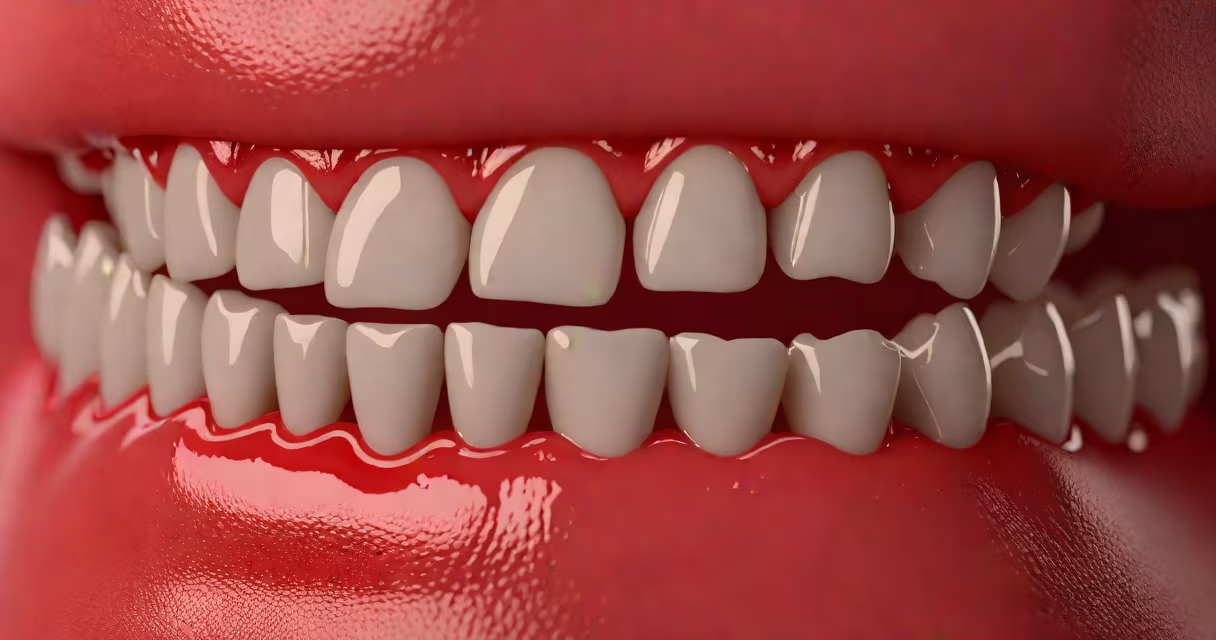
Burning gums result from inflammation, nerve irritation, or chemical exposure in the mouth, often due to gingivitis, dry mouth, or irritants like toothpaste or acidic foods. The sensation typically feels hot, tingling, or sharp and may worsen during eating or brushing.
Gum burning is not a symptom to ignore. It indicates an underlying issue affecting the soft tissues in your mouth. Unlike tooth pain, which stems from nerves inside the tooth, burning gums arise from problems in the gum tissue itself or nearby structures like salivary glands. Left untreated, persistent burning can lead to receding gums, increased sensitivity, and even tooth loss.
The American Dental Association notes that early signs of gum disease-like redness, swelling, and discomfort-are often overlooked until they progress. Burning sensations frequently appear when gingivitis advances, especially if plaque buildup irritates the gum line. A 2021 study in the Journal of Clinical Periodontology found that 47% of adults aged 30-64 show signs of periodontal disease, many reporting burning or soreness before bleeding was noticed.
Burning occurs when inflamed gum tissue becomes hypersensitive to stimuli. Nerve endings in the gums respond to pressure, temperature changes, or chemicals. When the tissue swells due to infection or irritation, it compresses these nerves, creating a burning sensation. This is different from actual thermal burns-no heat is involved.
Common triggers include sodium lauryl sulfate (SLS), a foaming agent in many toothpastes. SLS disrupts the mucosal barrier in the mouth, increasing permeability and allowing irritants to reach sensitive nerve endings. A 2019 clinical trial published in Oral Diseases showed that switching to SLS-free toothpaste reduced burning sensations in 68% of participants with recurring oral discomfort.
Other mechanisms include reduced saliva flow. Saliva neutralizes acids and washes away food particles. Low flow leads to dry mouth (xerostomia), which increases risk of fungal infections like oral thrush. Thrush causes white patches and a burning feeling, especially after eating. The National Institute of Dental and Craniofacial Research confirms that dry mouth affects 10-20% of adults, with burning mouth syndrome being a frequent consequence.
Not all burning sensations are the same. They fall into categories based on cause:
| Type | Trigger | Typical Symptoms | Prevalence |
|---|---|---|---|
| Gingivitis-related | Plaque buildup, poor brushing | Redness, swelling, burning after brushing | ~47% of adults (JCP 2021) |
| Chemical irritation | SLS in toothpaste, mouthwash, spicy foods | Immediate burning, stinging, dryness | High in users of standard mouthwashes |
| Nerve-related | Trigeminal neuralgia, vitamin B12 deficiency | Sharp, shooting pain; constant burning | Less than 1% of population, but underdiagnosed |
| Dry mouth (xerostomia) | Medications, dehydration, autoimmune conditions | Burning, difficulty swallowing, thick saliva | Affects 10-20% of adults |
One non-obvious distinction: burning gums are not always linked to visible bleeding. Some people report intense burning despite healthy-looking gums. This points to nerve hypersensitivity rather than tissue damage. A 2020 study in Neurology Today found that 31% of patients diagnosed with burning mouth syndrome had no clinical signs of inflammation-only subjective symptoms.
Burning gums can stem from systemic issues unrelated to oral hygiene. Vitamin B12 deficiency, for example, impairs nerve function and is tied to oral burning. A 2022 review in Frontiers in Nutrition reported that 15% of individuals with chronic burning mouth syndrome had low B12 levels, corrected with supplements leading to symptom improvement in 70% of cases.
Autoimmune disorders like Sjögren's syndrome attack salivary glands, reducing saliva production. This leads to dry mouth and burning. The condition affects 1 in 1,000 people, mostly women, and often goes undiagnosed for years. Early signs include persistent dry mouth and burning gums-symptoms often dismissed as stress or dehydration.
I once treated a patient who reported daily burning for six months. He brushed twice daily, flossed regularly, and avoided sugary foods. His gums looked healthy. After testing, we discovered he had a B12 deficiency. Within four weeks of supplementation, the burning stopped completely. This case illustrates that burning gums aren't always about plaque or infection-they're sometimes a sign of internal imbalance.
If burning persists beyond three days, stop using products with SLS or alcohol-based mouthwashes. Switch to a gentle, fluoride-free toothpaste like Sensodyne Pronamel or Hello Oral Care. Use a soft-bristled brush and avoid aggressive brushing.
For dry mouth, sip water frequently, chew sugar-free gum, or use a saliva substitute. Over-the-counter products like Biotene can help restore moisture. If medications are causing dryness, consult your doctor about alternatives.
See a dentist if you notice bleeding, swelling, or loose teeth. A professional cleaning removes plaque and tartar, reducing inflammation. If nerve pain is suspected, a neurologist may evaluate for trigeminal neuralgia or neuropathy.
Understanding why your gums burn begins with recognizing that the sensation is a signal-not a side effect. It reflects a breakdown in the mouth's protective environment. Whether caused by bacteria, chemicals, or internal imbalances, addressing the root cause stops progression and restores comfort.