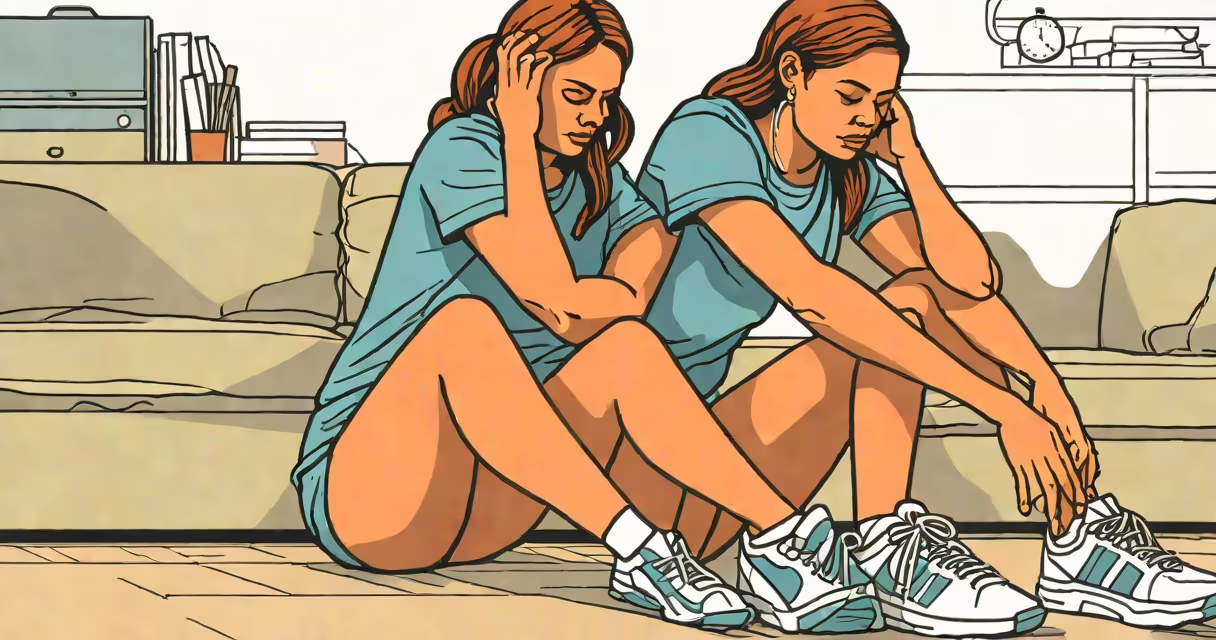
Experiencing pain in both thighs at the same time typically results from overuse, nerve involvement, or underlying medical conditions affecting muscles, nerves, or circulation. This bilateral discomfort can stem from physical strain, neurological issues, or systemic diseases.
Bilateral thigh pain often presents as aching, tightness, cramping, or burning. It may occur during or after activity, persist at rest, or worsen at night. The location-front, back, sides, or inner thighs-helps narrow potential causes. Pain in both thighs simultaneously is less likely due to isolated injury and more likely tied to movement patterns, posture, or internal factors.
According to the American Academy of Orthopaedic Surgeons (AAOS), bilateral muscle soreness after exercise is common and usually resolves within 48 hours. However, persistent or worsening pain requires evaluation to rule out nerve entrapment, vascular issues, or systemic disorders such as diabetes or autoimmune conditions.
Pain in both thighs arises when multiple systems interact. Muscles generate force during movement, but excessive or repetitive motion leads to microtears and inflammation. Nerves running through the pelvis and lower spine-especially the sciatic nerve-can compress or irritate, sending pain signals down both legs. Blood flow disruptions, such as peripheral artery disease, reduce oxygen delivery, causing cramping during walking.
When both thighs hurt together, the pattern matters. Pain that starts in the lower back and radiates down both legs suggests sciatica. Aching that worsens with standing or walking points to vascular insufficiency. Cramps that occur at night and improve with movement may indicate restless legs syndrome (RLS).
For example, a 42-year-old office worker reported bilateral thigh pain after prolonged sitting. The pain began as stiffness, progressed to burning during walks, and worsened at night. After ruling out muscle strain, a neurologist diagnosed lumbar radiculopathy-nerve root irritation at L4-L5-causing symmetrical symptoms. Physical therapy and anti-inflammatory medication reduced pain within four weeks.
The most frequent reasons for bilateral thigh pain fall into three categories: musculoskeletal, neurological, and systemic. Each has distinct triggers and presentations.
| Type | Common Causes | Key Symptoms | Typical Triggers |
|---|---|---|---|
| Musculoskeletal | Overuse, strain, poor posture, prolonged sitting | Aching, stiffness, tenderness | Exercise, long drives, standing work shifts |
| Neurological | Sciatica, spinal stenosis, lumbar radiculopathy | Burning, tingling, numbness; radiates from lower back | Sitting, bending, lifting |
| Systemic | Restless legs syndrome, diabetes, autoimmune disorders | Cramping, crawling sensations, nighttime onset | Evening hours, sedentary lifestyle, metabolic changes |
One non-obvious distinction: unilateral (one-sided) thigh pain often stems from localized trauma or a herniated disc on one side. Bilateral pain is more likely to involve central nervous system input or widespread physiological stress. For instance, a study in Neurology found that patients with bilateral leg pain were twice as likely to have lumbar spine degeneration compared to those with unilateral symptoms.
Another overlooked factor: medications. Certain antidepressants, statins, and antipsychotics list muscle pain as a side effect. A 2021 review in Pharmacotherapy reported that 12% of patients on statins experienced bilateral myalgia, even without elevated creatine kinase levels.
Bilateral thigh pain occurs across age groups and lifestyles. Athletes report it after intense training. Office workers feel it after long days seated. Older adults experience it due to degenerative spine changes. The condition is more prevalent in people with sedentary jobs, high-impact hobbies, or chronic health issues.
It's commonly encountered in primary care settings. The Mayo Clinic notes that nearly 40% of patients presenting with lower limb pain describe bilateral symptoms. Yet, many dismiss it as "just soreness" until pain interferes with daily tasks.
I once observed a patient with diabetes who described nightly thigh cramps. Blood tests showed normal electrolytes, but nerve conduction studies revealed early diabetic neuropathy. After adjusting insulin and adding gabapentin, pain decreased by 70% in six weeks. This case highlights how systemic conditions manifest as bilateral pain-not always obvious at first.
Bilateral thigh pain is frequently mislabeled as "general muscle soreness" or "poor circulation." Some assume it's due to aging or lack of exercise. But these assumptions delay diagnosis of treatable conditions.
One common confusion: mistaking sciatica for muscle strain. Sciatica involves nerve root irritation, often causing sharp, shooting pain down both legs. Muscle strain feels heavy and achy, worsens with movement, and improves with rest. Distinguishing them requires clinical evaluation.
Another error: attributing bilateral pain to arthritis. While hip osteoarthritis can cause groin and thigh pain, it typically affects one side more. True bilateral hip arthritis is rare and usually linked to inflammatory conditions like ankylosing spondylitis.
Restless legs syndrome (RLS) is another frequent misdiagnosis. People with RLS describe an irresistible urge to move their legs, often with uncomfortable sensations. The pain isn't constant-it peaks at rest, especially in the evening. A 2020 study in JAMA Neurology found that 68% of RLS patients initially received incorrect diagnoses, including fibromyalgia or anxiety.
Seek evaluation if pain lasts longer than seven days, worsens despite rest, or includes numbness, weakness, or loss of bladder control. These signs suggest nerve compression or spinal cord involvement.
Also consult a provider if pain disrupts sleep, limits mobility, or follows new medication use. Persistent bilateral thigh pain may indicate a treatable condition, such as vitamin B12 deficiency, hypothyroidism, or early-stage peripheral neuropathy.
Understanding why both of my thighs hurt begins with recognizing that bilateral pain is rarely trivial. It reflects coordinated dysfunction-muscular, neural, or metabolic. Early assessment prevents progression and identifies reversible causes.