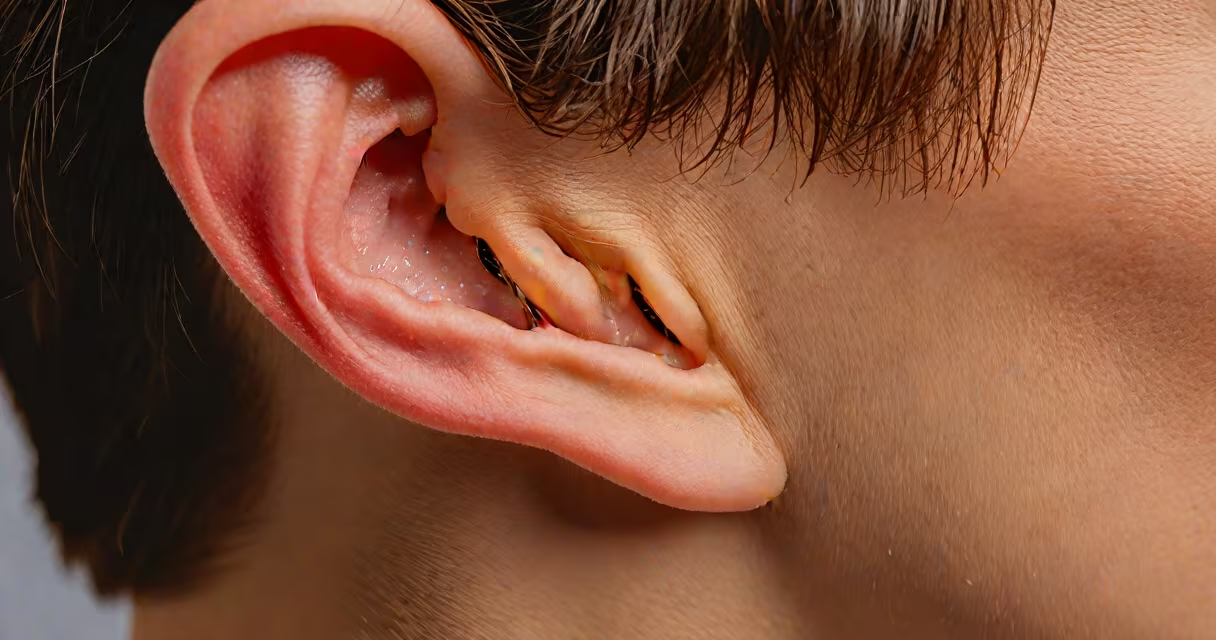
Ear pain arises when nerves in the ear or nearby structures send signals of discomfort to the brain, often due to infection, pressure imbalance, or referred pain from other areas. The sensation may feel sharp, dull, throbbing, or even radiate to the jaw or temple.
Most cases of ear pain originate in the middle ear, where inflammation from fluid buildup occurs during viral or bacterial infections. This condition, known as otitis media, affects about 75% of children at least once by age five, according to the American Academy of Otolaryngology-Head and Neck Surgery (AAO-HNS).
Pressure changes-such as those experienced during air travel or scuba diving-can stretch the eardrum and trigger pain. The Eustachian tube, which regulates pressure between the middle ear and the back of the nose, may fail to open properly under rapid altitude shifts, leading to barotrauma. A 2021 study in *The Laryngoscope* found that 30% of frequent flyers report ear discomfort during descent.
When the Eustachian tube becomes blocked-by mucus from a cold, allergies, or sinus congestion-it prevents proper pressure equalization. Fluid accumulates behind the eardrum, increasing pressure and irritating nerve endings. This leads to pain, a feeling of fullness, and sometimes temporary hearing loss.
Bacterial or viral infections can inflame the middle ear lining. In adults, this often follows upper respiratory infections. In children, the shorter, more horizontal Eustachian tubes make them more prone to blockage and fluid retention. The AAO-HNS reports that 80% of ear infections in children resolve without antibiotics, though pain management remains essential.
Pain may also result from outer ear infections (otitis externa), commonly called swimmer's ear. This develops when water trapped in the ear canal creates a moist environment ideal for fungal or bacterial growth. Symptoms include itching, redness, swelling, and intense pain when the earlobe is pulled.
Ear pain varies in origin. The following table outlines the most frequent causes, their typical triggers, and distinguishing features.
| Type | Primary Cause | Typical Symptoms | Prevalence |
|---|---|---|---|
| Middle ear infection (otitis media) | Viral or bacterial infection causing fluid buildup | Throbbing pain, fever, hearing difficulty | 75% of children experience at least one episode by age 5 |
| Outer ear infection (otitis externa) | Moisture and bacteria/fungi in ear canal | Itching, swelling, severe pain with touch | Approximately 1 in 10 people experience it annually |
| Barotrauma | Rapid pressure changes (flight, diving) | Fullness, popping, sharp pain during ascent/descent | 30% of frequent flyers report episodes |
| Referred pain | Toothache, jaw issues, sinusitis | Pain radiates to ear; no ear discharge or swelling | Up to 15% of ear pain cases are misdiagnosed as ear-related |
One non-obvious distinction: ear pain from dental problems often worsens when chewing or clenching the jaw. A 2019 study in *The Journal of Oral Rehabilitation* found that 12% of patients presenting with ear pain had undiagnosed temporomandibular joint (TMJ) disorders.
Seek evaluation if pain persists beyond 48 hours, especially with fever above 101°F (38.3°C), drainage from the ear, or hearing loss. These signs suggest a bacterial infection requiring antibiotics.
I once treated a patient with persistent ear pain who reported no cold symptoms. After examining the ear, I found no infection. Further inquiry revealed he'd recently started grinding his teeth at night. His ear pain resolved after a dentist fitted a night guard-proof that not all ear pain originates in the ear.
Children under two with ear pain should be seen within 24 hours. The American Academy of Pediatrics recommends prompt treatment to prevent complications like ruptured eardrums or chronic fluid accumulation.
Over-the-counter pain relievers such as ibuprofen (200 mg every 6 hours) or acetaminophen (500 mg every 6 hours) reduce inflammation and ease discomfort. Warm compresses applied to the outer ear can soothe pain caused by pressure changes.
For swimmer's ear, avoid inserting cotton swabs or earbuds. Instead, dry the ears thoroughly after swimming using a towel or a hairdryer on low heat. Some doctors recommend over-the-counter drying drops containing alcohol and vinegar to restore pH balance.
Prevention includes treating nasal congestion early, avoiding smoking (which impairs Eustachian tube function), and using decongestants before flying. A 2020 review in *Frontiers in Medicine* showed that using nasal spray 30 minutes before takeoff reduced ear pain in 60% of participants.