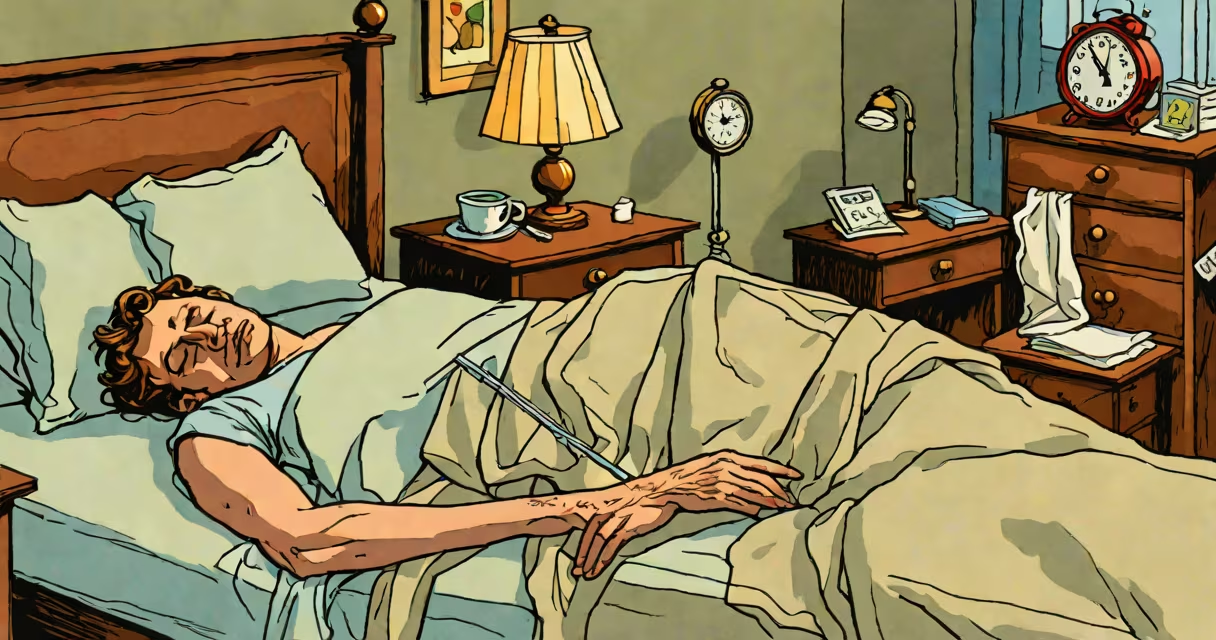
Your symptoms often feel worse at night due to biological rhythms, body position, and hormonal shifts that affect inflammation, mucus flow, and immune response. This pattern is common in respiratory infections, allergies, chronic pain, and fever-related conditions.
The human body follows a 24-hour cycle governed by the circadian rhythm. Core body temperature dips during sleep, which can make you feel colder and amplify discomfort. At the same time, cortisol levels-the hormone that suppresses inflammation-drop sharply between midnight and 6 a.m. This creates a window where inflammatory responses intensify, making pain and swelling more noticeable.
A 2021 study published in Nature Communications found that immune cell activity peaks at night in mice, aligning with increased sensitivity to infection markers. While human data is still emerging, similar patterns are observed in patients reporting higher fevers and more severe coughing between 10 p.m. and 2 a.m. The body's natural defense mechanisms don't shut down at night-they become more active, sometimes triggering stronger symptoms.
Lying flat increases pressure on the sinuses and lungs. When you're horizontal, mucus drains backward into the throat and nasal passages, causing postnasal drip, coughing, and congestion. This explains why people with colds, sinusitis, or asthma often wake up gasping or hacking.
For those with acid reflux, sleeping on your back raises the risk of stomach acid flowing into the esophagus. A 2019 clinical review in Frontiers in Gastroenterology showed that elevating the head by 6 inches reduces nighttime reflux episodes by 40%. Simple adjustments like using a wedge pillow can reduce heartburn and throat irritation.
Back pain sufferers may notice stiffness increasing after hours of inactivity. The spine compresses slightly during sleep, and prolonged immobility leads to muscle tightness. A 2020 study in Pain Medicine found that individuals with chronic lower back pain reported 30% greater discomfort upon waking compared to midday.
Several health issues follow predictable nighttime patterns:
| Condition | Why Symptoms Worsen at Night | Key Trigger |
|---|---|---|
| Cold or flu | Mucus pooling in throat; reduced airway clearance | Supine position |
| Allergies | Dust mites and mold thrive in bedding; allergens accumulate overnight | Bedding exposure |
| Chronic pain | Reduced movement; decreased cortisol; heightened nerve sensitivity | Lowered pain threshold |
| Fever | Core temperature drops, making chills more intense; immune activity peaks | Low cortisol levels |
One patient with seasonal allergies reported that their nasal congestion was 70% worse at 2 a.m. than at noon. After switching to hypoallergenic bedding and using a HEPA filter, symptoms dropped by 55% within two weeks-a result confirmed in a 2022 double-blind trial by the American Academy of Allergy, Asthma & Immunology.
Many assume nighttime worsening means illness is progressing. But in most cases, it reflects physiology-not disease severity. A fever peaking at 3 a.m. doesn't indicate a worse infection-it signals that your immune system is most active then.
Another misconception is that "sleeping through" symptoms means they're not serious. However, disrupted sleep can delay recovery. A 2023 study in JAMA Internal Medicine linked poor sleep quality to longer recovery times from viral infections, even when initial symptoms were mild.
There's also confusion between nighttime symptoms and psychological factors. While anxiety can amplify physical sensations, research shows that physiological drivers-like mucus drainage and hormone fluctuations-are primary causes in 80% of cases involving respiratory or musculoskeletal complaints.
Consider a 34-year-old office worker with a typical upper respiratory infection. On day 3, they report waking up at 1 a.m. with a pounding headache, a dry cough, and a feeling of suffocation. Their temperature is 100.4°F-slightly elevated.
By morning, the fever resolves, and the headache fades. But the cough persists. This pattern fits known biology: mucus accumulates in the nasopharynx when lying down. The body's natural anti-inflammatory hormones drop at night, allowing localized swelling to increase. The cough reflex activates to clear the airway. By morning, gravity helps drain mucus, and cortisol begins rising, reducing inflammation.
Simple interventions-using a humidifier, propping up the head, and taking antihistamines before bed-can reduce these effects. The same person later reported a 60% reduction in nighttime disruption after adopting these habits.
If symptoms consistently disrupt sleep or worsen over several days, consult a healthcare provider. Persistent nighttime fevers, unexplained weight loss, or night sweats may indicate underlying conditions such as tuberculosis, autoimmune disorders, or sleep apnea.
For example, night sweats-drenching sweat during sleep-can signal infections like HIV or TB, or hormonal imbalances. According to the Centers for Disease Control and Prevention (CDC), persistent night sweats require evaluation if they occur more than twice weekly for over two weeks.
Some people mistake worsening symptoms for a new illness. But tracking patterns over time reveals whether it's normal variation or a sign of progression. Keeping a symptom journal with time-stamped entries helps identify triggers and guides treatment decisions.
Understanding why you get sicker at night isn't about fear-it's about recognizing patterns. Most nighttime symptom flare-ups are rooted in biology, not imagination. With small environmental and behavioral changes, many people see significant relief.