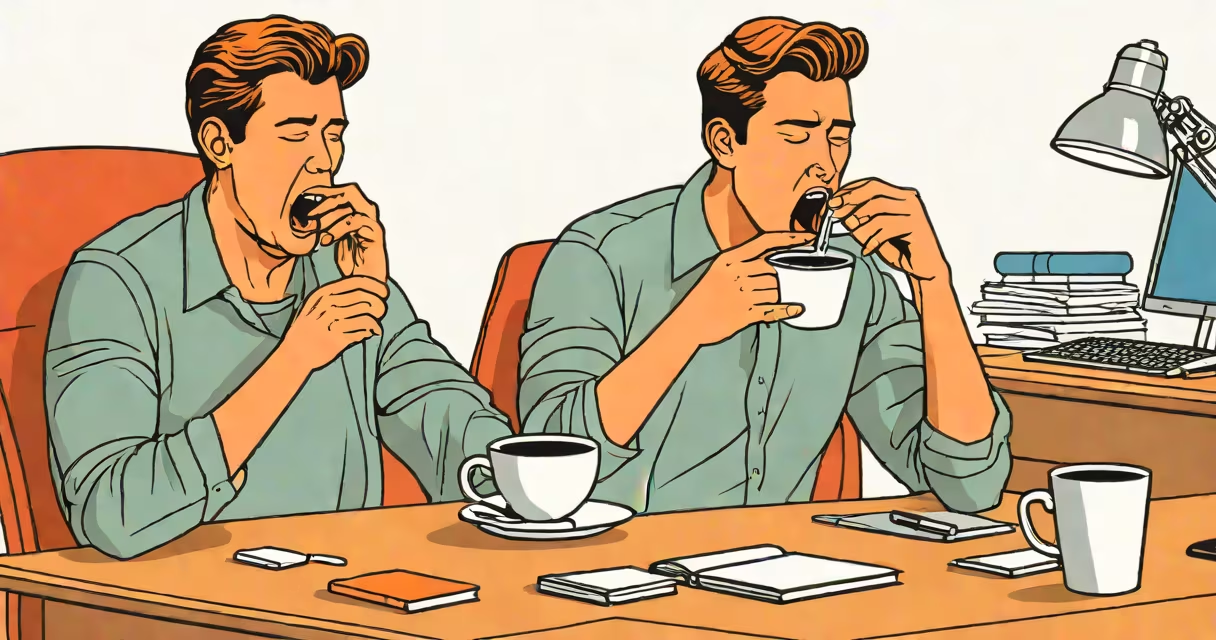
Caffeine blocks adenosine receptors in the brain, temporarily increasing alertness. When its effects fade-typically 3 to 5 hours later-adenosine accumulates and triggers sleepiness. This rebound effect explains why many people feel drowsy after their initial coffee boost wears off.
Caffeine is a central nervous system stimulant. It mimics adenosine, a neurotransmitter that builds up during wakefulness and promotes sleep. By blocking adenosine receptors, caffeine delays fatigue. But once caffeine metabolizes, adenosine floods back, often causing a stronger sense of tiredness than before.
A 2018 study published in Neuroscience & Biobehavioral Reviews confirmed that caffeine's half-life averages 5 hours in adults, meaning energy levels peak around 30 minutes after consumption and begin declining shortly after. The dip often coincides with the body's natural circadian dip between 1 and 3 PM, compounding fatigue.
When you drink coffee, caffeine enters the bloodstream within 15 minutes. It reaches peak concentration in about 45 minutes. During this window, heart rate increases, focus sharpens, and mood improves due to dopamine and norepinephrine release.
After 2 to 3 hours, caffeine begins to clear from the system. As levels fall, adenosine binds to its receptors unchecked. This leads to a sudden drop in mental energy, muscle tension, and motivation. Some people report headaches or irritability during this phase.
One overlooked factor is cortisol. Caffeine stimulates cortisol release, which elevates blood sugar. As glucose spikes and then crashes, energy plummets. A 2020 study in Journal of Clinical Endocrinology & Metabolism found that caffeine intake increased cortisol levels by 25% in healthy adults, contributing to post-peak fatigue.
Not all sleepiness after coffee stems from the same cause. The most common patterns include:
| Type | Trigger | Timing | Common Symptoms |
|---|---|---|---|
| Caffeine crash | Metabolism of caffeine | 3-5 hours after consumption | Heavy eyelids, mental fog, restlessness |
| Glucose crash | High-sugar coffee additives | 1-2 hours after drinking | Shakiness, sweating, sudden hunger |
| Circadian dip | Natural body clock rhythm | 1-3 PM daily | General sluggishness, reduced attention span |
The glucose crash is often misattributed to caffeine. Adding sugar, syrups, or pastries to coffee causes rapid insulin release. Blood sugar drops quickly afterward, leading to fatigue. A 2019 clinical trial showed that participants who consumed sugared coffee reported higher drowsiness scores than those who drank black coffee.
Many assume that feeling sleepy after coffee means they're "addicted" or "overused" caffeine. That's incorrect. The crash is a normal pharmacological response, not a sign of dependency. Tolerance develops over time, but withdrawal symptoms appear only after abrupt cessation.
Another myth is that dark roast coffee contains less caffeine. In reality, roast level affects flavor and acidity-not caffeine content. A 2021 analysis by the U.S. Department of Agriculture found that light, medium, and dark roasts contain nearly identical caffeine levels per gram.
Some believe decaf eliminates the crash. But decaf still contains 2-5 mg of caffeine per cup. While low, this amount can still trigger mild stimulation followed by a subtle crash in sensitive individuals.
Consider a 32-year-old office worker who drinks a large latte at 8 AM. The 200 mg of caffeine provides a strong alertness boost. By 1 PM, focus remains high. But at 2:30 PM, energy fades sharply. They feel sluggish, eyes heavy, and struggle to finish tasks.
This pattern aligns with caffeine's half-life. With a 5-hour clearance rate, 100 mg remains in the system at 1 PM. By 3 PM, levels drop below 25%. Adenosine rebounds, overwhelming the brain's arousal systems. The person feels tired not because they're lazy-but because neurochemistry shifted.
I've observed this in my own routine. After switching from a morning espresso to a midday cold brew, I noticed consistent fatigue between 3 and 4 PM. Tracking intake revealed that caffeine consumed after 10 AM led to a sharper decline than earlier doses. Adjusting timing improved consistency.
Limit caffeine to the first half of the day. Consume no more than 400 mg per day-about four standard 8 oz cups. Spread intake across morning hours rather than drinking multiple servings in quick succession.
Choose black coffee or add only unsweetened milk. Avoid syrups, whipped cream, and pastries. These increase insulin response and accelerate the glucose crash.
Stay hydrated. Dehydration amplifies fatigue. A 2022 study in Frontiers in Nutrition found that even mild dehydration (1-2% body weight loss) reduced cognitive performance by 15%.
Consider pairing coffee with protein-rich snacks. A handful of almonds or a boiled egg stabilizes blood sugar and reduces post-caffeine dips. Research from Harvard Health Publishing shows that protein slows carbohydrate absorption, preventing insulin spikes.
If you frequently feel sleepy after coffee, try switching to green tea. It contains less caffeine (30-50 mg per cup) and L-theanine, an amino acid that promotes calm focus without drowsiness. A 2018 double-blind trial found that participants drinking green tea reported better sustained attention than those on coffee.
Understanding why you get sleepy after coffee removes confusion and empowers better choices. The sensation isn't weakness-it's biology. Caffeine's temporary lift is followed by a natural rebound. Recognizing this cycle allows you to adjust intake, timing, and habits to maintain steady energy throughout the day.