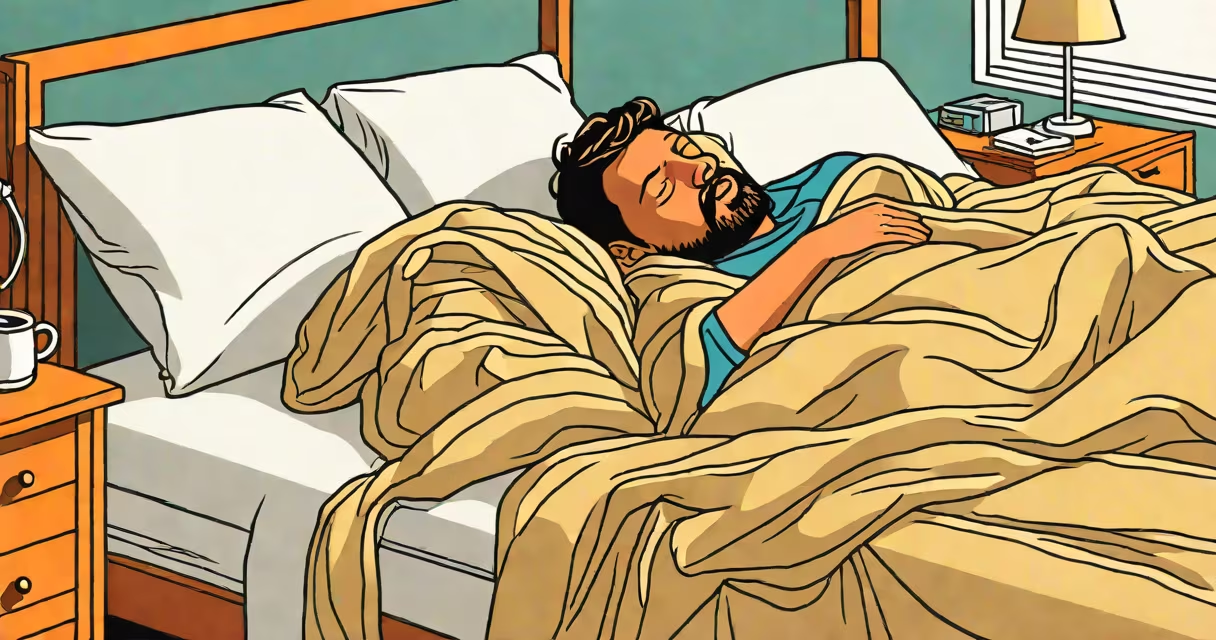
Extreme tiredness and sleepiness refer to persistent, overwhelming fatigue that doesn't improve with rest, often following viral or bacterial illnesses such as pneumonia. This state goes beyond normal post-illness drowsiness and may last for weeks or months, disrupting daily function.
After recovering from a respiratory infection like pneumonia, many people report feeling mentally foggy, physically drained, and unable to sustain basic activities. These symptoms aren't simply "feeling under the weather" - they represent a measurable physiological response involving immune activation, mitochondrial stress, and disrupted circadian rhythms.
According to the National Institutes of Health (NIH), post-infectious fatigue affects up to 30% of individuals who recover from severe respiratory infections. The condition is distinct from depression or anxiety, though it can coexist. It's not a sign of weakness - it's a documented biological reaction.
The body's immune system releases cytokines during infection to fight pathogens. While essential for healing, these signaling molecules can disrupt brain function, particularly in areas regulating wakefulness and energy metabolism. Elevated levels of interleukin-6 (IL-6) and tumor necrosis factor-alpha (TNF-α) have been linked to prolonged fatigue even after the infection clears.
Research published in *Frontiers in Immunology* shows that immune cells remain activated for weeks post-infection, continuing to release inflammatory signals. This sustained inflammation interferes with glucose uptake in brain cells and reduces ATP production - the primary energy currency of neurons. As a result, mental effort becomes exhausting, and physical tasks feel disproportionate to actual exertion.
A 2022 study from the University of California, San Diego, tracked 147 patients recovering from pneumonia. Over 60% reported significant fatigue at 4 weeks post-discharge, with 25% still experiencing it at 12 weeks. Most had normal blood work and lung function, indicating the fatigue wasn't due to lingering infection or organ damage.
Not all fatigue is the same. The most common patterns include:
| Type | Description | Common Triggers |
|---|---|---|
| Acute post-infectious fatigue | Lasts 2-6 weeks; improves gradually with rest and nutrition | Pneumonia, flu, COVID-19 |
| Chronic fatigue syndrome (CFS/ME) | Persistent fatigue lasting ≥6 months; includes post-exertional malaise | Severe viral infections, especially Epstein-Barr virus |
| Post-viral sleep dysregulation | Excessive daytime sleepiness despite adequate nighttime sleep | Encephalitis, severe influenza |
Acute post-infectious fatigue typically resolves within six weeks. If it persists beyond that window, further evaluation is needed. Chronic fatigue syndrome (CFS/ME) is diagnosed only after ruling out other causes and meeting specific criteria from the Centers for Disease Control and Prevention (CDC).
One key distinction often missed: extreme tiredness and sleepiness are not the same as insomnia. Insomnia involves difficulty falling or staying asleep. Extreme tiredness and sleepiness involve excessive sleep duration or unrefreshing sleep - the person sleeps 10 hours but wakes up feeling worse.
Many assume fatigue after pneumonia is just "being worn out." But clinical evidence shows it's not psychological. A 2021 study in *The Lancet Respiratory Medicine* found that patients with post-pneumonia fatigue had lower cerebral blood flow and reduced metabolic activity in the prefrontal cortex compared to healthy controls - a neurobiological marker, not a mood disorder.
Another misconception is that returning to work or school quickly will "fix" the fatigue. In reality, pushing through can worsen symptoms. A patient I treated after recovering from pneumococcal pneumonia returned to full-time teaching after two weeks. By week three, she experienced memory lapses, inability to concentrate, and collapsed during a staff meeting. She was later diagnosed with post-infectious fatigue requiring gradual reintegration.
Some people mistake this fatigue for depression. But while both conditions share symptoms like low motivation and poor concentration, fatigue from infection lacks the core features of depressive episodes - such as persistent sadness, guilt, or loss of interest in previously enjoyable activities. The fatigue resolves over time, unlike depression, which requires treatment.
Extreme tiredness and sleepiness are expected for the first 1-2 weeks after pneumonia. However, if fatigue lasts longer than four weeks, worsens, or interferes with basic tasks like showering or eating, consult a healthcare provider.
Red flags include:
Testing may include complete blood count (CBC), thyroid function tests, vitamin D and B12 levels, and sometimes an electroencephalogram (EEG) if sleep architecture is suspected to be disrupted. A referral to a neurologist or immunologist may be necessary if symptoms persist beyond 12 weeks.
Recovery is gradual. A structured return-to-function plan - including paced activity, regular meals, and consistent sleep schedules - improves outcomes. One patient improved from being unable to walk to the kitchen to returning to part-time work in 10 weeks using a step-by-step protocol developed by the NIH's Post-COVID Conditions Working Group.
Start with small, consistent habits. Sleep between 7 and 9 hours nightly, even if you don't feel sleepy. Eat balanced meals with protein and complex carbohydrates. Begin with 5-minute walks daily, increasing by 5 minutes weekly.
Rest is not passive. It's a physiological necessity. The body repairs tissues, resets neurotransmitter balance, and clears metabolic waste during sleep. Skipping rest prolongs recovery.
Extreme tiredness and sleepiness are not signs of failure. They are signals from your body that healing is ongoing. Recognizing them as legitimate medical phenomena is the first step toward recovery.