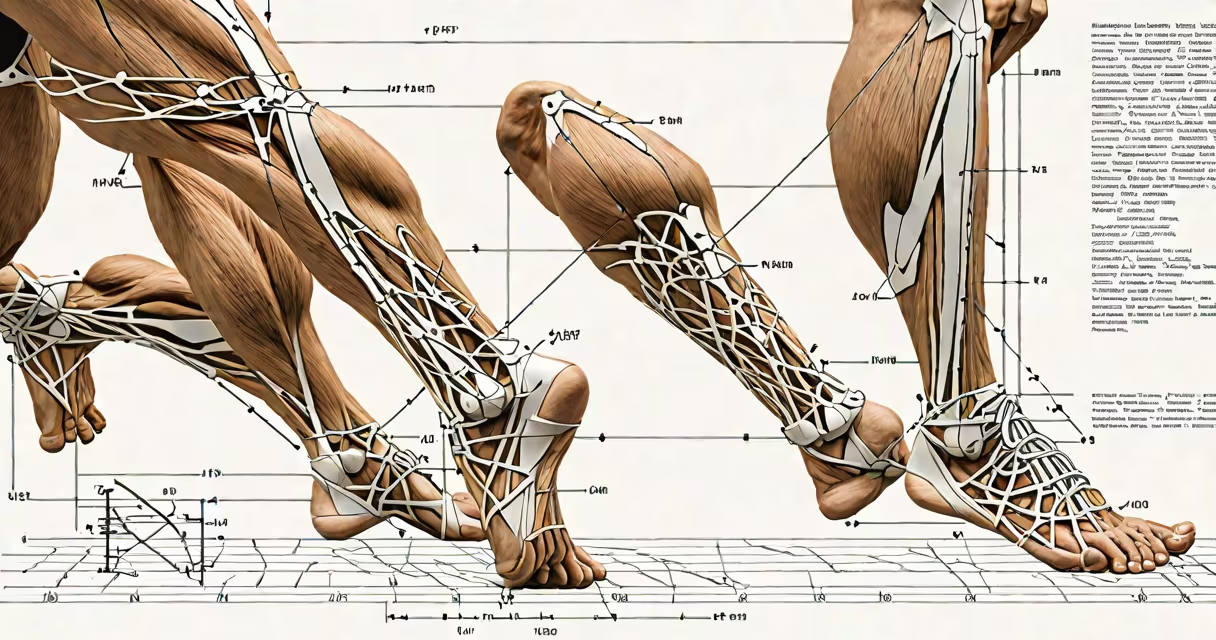
During intense exercise, muscles burn due to the buildup of lactic acid produced when cells generate energy without sufficient oxygen. This process, known as anaerobic metabolism, occurs when the body's demand for energy exceeds the oxygen available to produce it efficiently.
When you push hard-like sprinting, lifting heavy weights, or doing high-intensity interval training-your muscles switch from aerobic to anaerobic respiration. In this state, glucose is broken down rapidly into pyruvate, which then converts into lactate. The accumulation of lactate lowers pH in the muscle tissue, triggering pain receptors and creating the familiar burning sensation.
Contrary to popular belief, lactic acid doesn't cause delayed onset muscle soreness (DOMS). That discomfort appears hours later and results from microtears in muscle fibers and inflammation. The burn during exercise is immediate and localized, not a sign of damage-but rather a signal that your muscles are working beyond their current aerobic capacity.
The burn arises from a combination of chemical changes and neural signaling. As lactate builds up, hydrogen ions (H+) are released alongside it. These ions interfere with calcium binding in muscle fibers, reducing contraction efficiency. The resulting drop in force production contributes to fatigue and the perception of burning.
Nerve endings in the muscle detect low pH and send signals to the brain interpreted as pain. This mechanism acts as a protective feedback loop-warning you to slow down before tissue damage occurs. The sensation intensifies with higher intensity and duration of effort.
A study published in Journal of Applied Physiology found that trained athletes experience less perceived burn at the same relative intensity compared to untrained individuals. This suggests that improved mitochondrial density and better oxygen delivery reduce reliance on anaerobic pathways, delaying lactate accumulation.
Exercises involving short bursts of maximal effort are most likely to cause muscle burn. These include:
Each of these activities forces fast-twitch muscle fibers to fire repeatedly under conditions where oxygen delivery cannot match energy demands. For example, during a 30-second sprint, ATP production shifts almost entirely to anaerobic glycolysis. Lactate levels can rise from ~1 mmol/L at rest to over 10 mmol/L during peak effort.
| Exercise Type | Typical Duration | Lactate Buildup Level | Common Intensity |
|---|---|---|---|
| Short sprint | 10-30 sec | High | 90-100% max heart rate |
| Weightlifting set | 30-60 sec | High | 80-90% of 1RM |
| HIIT circuit | 20-45 sec per round | Moderate to high | 85-95% max HR |
| Long-distance running | 60+ min | Low to moderate | 60-75% max HR |
Many people assume that muscle burn equals muscle growth or that it indicates effective training. While the burn correlates with high-intensity effort, it does not directly cause hypertrophy. Muscle growth stems from mechanical tension, metabolic stress, and muscle damage-all of which can occur without significant burning.
Another widespread myth is that lactic acid causes cramps. Research from the European Journal of Applied Physiology shows that cramping during exercise is more closely linked to neuromuscular fatigue and dehydration than to lactate levels. Cramps often happen after prolonged exertion, not during peak lactate accumulation.
The presence of a burn does not indicate injury. A sharp, localized pain or joint discomfort may signal a problem. But a diffuse, burning ache in working muscles during effort is normal and expected.
Consider a 400-meter race. Athletes typically complete it in 45-55 seconds. During this time, the body relies heavily on anaerobic glycolysis because the event lasts longer than the aerobic system can sustain optimal output.
At the 200-meter mark, blood lactate concentration rises sharply. By the finish, lactate levels may exceed 8 mmol/L-well above resting levels of 1-2 mmol/L. The athlete feels a burning sensation in the quadriceps and hamstrings, especially during the final 100 meters. This is not damage-it's the result of accumulated hydrogen ions disrupting ion balance and nerve signaling.
After stopping, the burn fades within minutes as the body clears lactate through the Cori cycle, converting it back to glucose in the liver. Recovery takes about 20-30 minutes for most people, depending on fitness level.
Some confuse muscle burn with delayed soreness. Soreness typically peaks 24-72 hours after exercise and results from microtrauma and inflammation-not lactate. You can feel burned during a workout and have no soreness the next day, or vice versa.
Also, muscle burn does not correlate with fat loss. The sensation is unrelated to calorie expenditure or fat oxidation. Burning during exercise reflects acute metabolic stress, not long-term energy use.
I've personally experienced this while coaching sprint drills. One athlete consistently stopped mid-set due to burning in his quads. After adjusting his form and pacing, he reduced the burn -even though workload remained similar. The key was improving oxygen delivery and reducing inefficient movement patterns.
While muscle burn is normal during intense activity, persistent or severe pain during or after exercise warrants attention. If the burn is accompanied by swelling, weakness, or numbness, consult a healthcare provider. These symptoms may indicate nerve compression, compartment syndrome, or other underlying issues.
For most people, however, the burn is a temporary, healthy response to effort. It signals that your body is adapting-improving lactate clearance, increasing mitochondrial density, and enhancing endurance over time.
Understanding why muscles burn during exercise helps separate physiological reality from fitness myths. It's not a flaw-it's a function. The sensation is part of the body's system for regulating performance and protecting itself from overexertion.
Recognizing the difference between burn, soreness, and cramp ensures accurate self-assessment and smarter training choices.