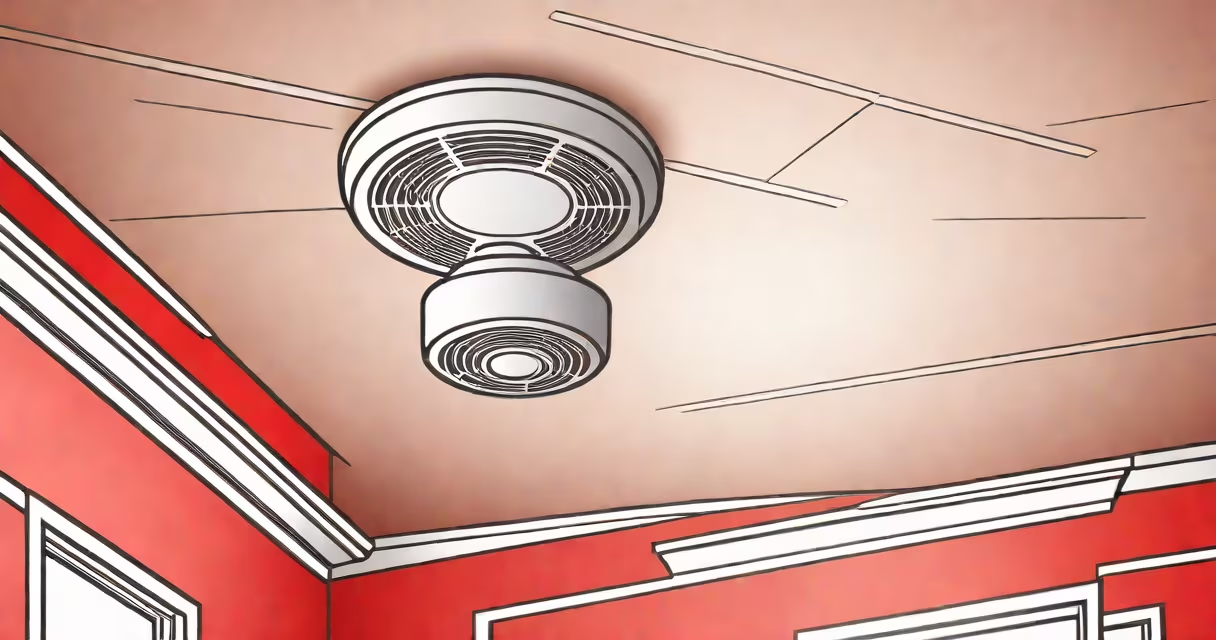
A smoke alarm goes off when it detects airborne particulates from fire, such as those produced by burning wood, paper, or synthetic materials. The device uses either ionization or photoelectric sensors to identify these particles and trigger an audible alert. This function aims to provide early warning of potential fire hazards.
Ionization alarms respond quickly to flaming fires with small particles, while photoelectric models detect larger smoke particles from smoldering fires. Most homes use combination units that include both technologies. Alarms typically sound at 85 decibels or higher to ensure wakefulness even during deep sleep.
According to the National Fire Protection Association (NFPA), nearly half of home fire deaths occur between 11 p.m. and 7 a.m., when people are asleep. Smoke alarms are critical during these hours because they can detect invisible smoke before flames spread. The U.S. Consumer Product Safety Commission (CPSC) reports that working smoke alarms cut the risk of dying in a reported home fire by about 50%.
Ionization smoke alarms contain a small amount of radioactive material-typically americium-241-between two charged plates. When air passes through the chamber, ions carry current. Smoke particles disrupt this flow, reducing the current and triggering the alarm. These alarms react fastest to fast-moving, high-temperature flames.
Photoelectric alarms use a light beam and a sensor. When smoke enters the chamber, it scatters the light onto the sensor, which activates the alarm. This design responds more effectively to slow, smoldering fires-common in overheated electrical wiring or cigarette burns.
For example, a 2018 study published in the Journal of Fire Sciences found that photoelectric detectors were 30% more effective than ionization-only devices in detecting smoldering fires within the first five minutes. However, ionization alarms are faster at responding to flashover-type fires, where flames grow rapidly.
Smoke alarms often go off due to non-fire events. High humidity, especially in bathrooms or kitchens, can cause steam to enter the sensor chamber and mimic smoke. A 2021 CPSC report noted that 37% of false alarms occurred during cooking or showering, particularly in older models with less advanced filtering.
Dust accumulation inside the alarm housing is another frequent cause. Over time, dust settles on the sensor plate or lens, interfering with normal operation. Cleaning the unit with a vacuum brush every six months reduces this risk.
Low battery levels also trigger intermittent chirping or full alarms. The NFPA recommends replacing batteries annually-even if the alarm still functions-to avoid unexpected failure during emergencies. Some models emit a single beep every 30 seconds when the battery is low, signaling replacement is needed.
Smoke alarms are most likely to activate between midnight and 6 a.m. due to temperature changes. As room temperatures drop overnight, air density increases, causing cooler air to sink toward the floor. Smoke particles rise, but in a quiet environment, even minor disturbances can trigger sensitivity thresholds.
Many homes have lower ventilation at night. Cooking fumes, residual dust, or moisture from a heater can accumulate and reach the alarm's sensor. For example, a family in suburban Chicago reported their alarm triggered four times in one week during winter. After cleaning the unit and relocating it away from the kitchen, incidents stopped.
Some users assume alarms are faulty when they go off at night. But the timing reflects environmental conditions, not malfunction. The CPSC advises testing alarms monthly and cleaning them quarterly to maintain reliability.
There are two primary types of smoke detection systems: ionization and photoelectric. Combination alarms integrate both methods and are recommended by the NFPA for maximum coverage. Below is a comparison:
| Type | Best For | Response Time (Smoldering) | Response Time (Flaming) |
|---|---|---|---|
| Ionization | Fast-flame fires (paper, grease) | 2-3 minutes | 1-2 minutes |
| Photoelectric | Smoldering fires (cigarettes, overheated wires) | 1-2 minutes | 3-5 minutes |
| Combination (Dual Sensor) | All fire types | 1-2 minutes | 1-2 minutes |
While dual-sensor alarms offer balanced protection, older homes may still rely on single-type units. The NFPA states that homes with only ionization alarms miss 25% of smoldering fire detections compared to dual-sensor models.
If a smoke alarm sounds, treat it as a real emergency. Do not ignore it. Evacuate the home immediately using your pre-planned escape route. Once outside, stay at a safe distance and call 911. Do not re-enter until authorities confirm it is safe.
If the alarm sounds repeatedly without visible smoke, check for common causes: low battery, dust buildup, or nearby cooking. Reset the alarm by pressing the test button for 10 seconds. If it continues to chirp, replace the battery or clean the unit with compressed air.
I once replaced a smoke alarm in a rental apartment that had been chirping nightly for two weeks. The tenant claimed it was "broken." After cleaning the sensor with a dry brush and replacing the battery, the chirping stopped. The issue wasn't a defect-it was accumulated lint from a nearby dryer vent.
Many people believe that smoke alarms are unreliable or overly sensitive. In reality, they are highly accurate when properly maintained. False alarms stem from misuse or poor placement-not sensor failure.
Another myth is that smoke alarms only work in the presence of flame. They detect smoke particles, which can form before flames appear. In a 2019 incident in Seattle, a photoelectric alarm detected smoke from a smoldering couch before flames emerged. Residents escaped safely, and fire investigators confirmed the alarm activated 4 minutes before visible fire.
Install alarms at least 10 feet from kitchens and showers to reduce steam exposure. Mount them on ceilings, not walls, since smoke rises. Avoid placing them near vents, fans, or windows where drafts can interfere.
Use interconnected alarms-where one unit triggers others throughout the house. The NFPA requires interconnected systems in new construction and recommends upgrading older homes. In a 2020 study, homes with interconnected alarms saw a 40% faster evacuation rate during simulated fire drills.
Test alarms monthly using the test button. Replace batteries yearly. Replace the entire unit every 10 years, regardless of performance. The CPSC notes that alarms older than 10 years are twice as likely to fail during actual emergencies.
Understanding how a smoke alarm works ensures timely response and prevents complacency. Regular maintenance and correct placement minimize false alarms while maximizing protection. Always treat a smoke alarm activation as a serious event.