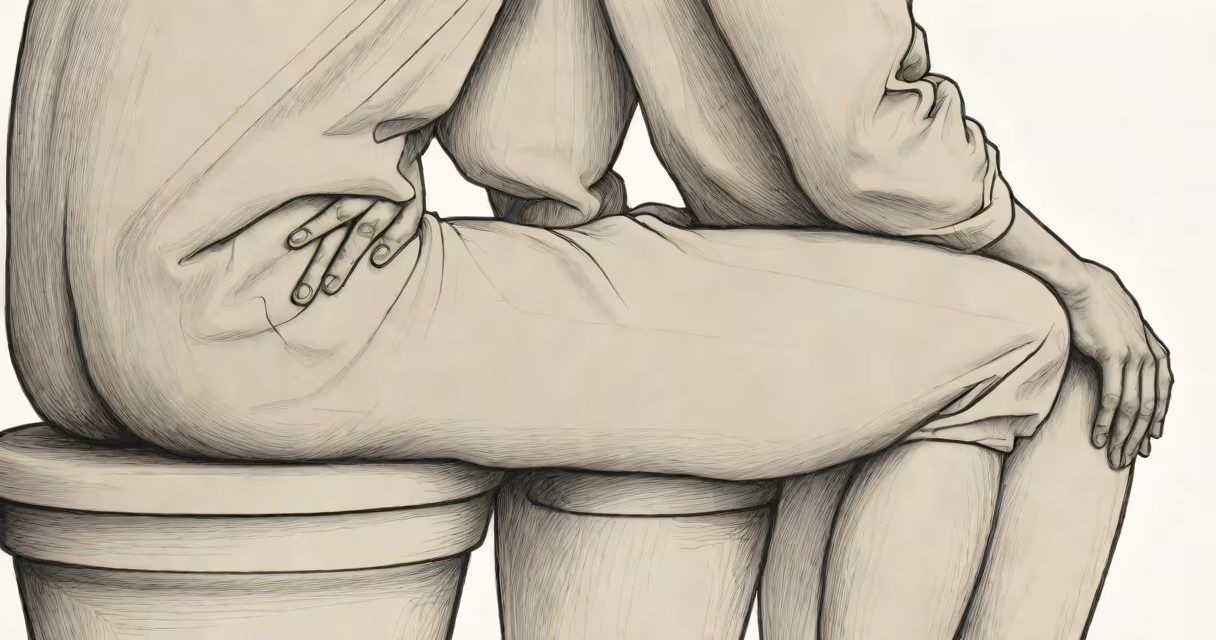
Post-defecation anal pain often results from straining, hard stools, or underlying conditions like hemorrhoids or fissures. The sensation may last seconds or persist for hours depending on the cause.
Discomfort after bowel movements is common, especially if you've recently changed your diet, increased fiber intake, or experienced stress-related digestive shifts. But persistent or sharp pain warrants attention. The anus is highly sensitive-nerve endings are concentrated in the area-so even minor irritation can feel intense.
Most cases resolve within a day with hydration, gentle wiping, and avoiding further strain. However, recurring pain may signal a condition requiring medical evaluation. The key is distinguishing normal discomfort from symptoms of a treatable issue.
Bowel movements involve coordinated muscle contractions in the colon and pelvic floor. When stool is hard or large, the anal sphincter-two rings of muscle that control release-must stretch. This stretching can cause micro-tears or inflammation, especially if the tissue is already irritated.
The external anal sphincter is under voluntary control. When you strain, it can spasm involuntarily, leading to cramping or sharp pain. Internal pressure from pushing increases blood flow to the area, which may result in temporary swelling and tenderness.
For example, someone who hasn't had a bowel movement in several days may pass a large, firm stool. The force required to expel it can stretch the anal lining beyond its usual tolerance, causing pain that lasts 10-30 minutes after defecation. This is often described as a burning or tearing sensation.
Several identifiable conditions explain why your bum hurts after pooping. Not all require treatment, but recognizing patterns helps determine when to consult a provider.
| Condition | Key Symptoms | Typical Duration | When to See a Doctor |
|---|---|---|---|
| Hemorrhoids | Swelling around the anus, bright red blood on toilet paper, itching, discomfort during or after bowel movements | Hours to days; can recur | Recurring bleeding, severe pain, prolapse (bulging tissue) |
| Anal Fissure | Sharp, knife-like pain during bowel movement, visible crack near the anus, blood on stool or toilet paper | Days to weeks; may take longer if untreated | Pain lasting more than 7 days, recurrent episodes |
| Constipation | Hard, lumpy stools, infrequent bowel movements, straining, bloating | Resolves with dietary changes | More than 3 days without a bowel movement |
| Anal Skin Tags | Extra skin folds near the anus, usually painless unless irritated | Chronic; may persist | Itching, bleeding, or discomfort during wiping |
One non-obvious point: pain that occurs only during or immediately after defecation-especially if it's sharp and brief-is more likely due to a tear (fissure) than hemorrhoids. Hemorrhoids typically cause dull, throbbing pain or a feeling of fullness, often accompanied by bleeding.
Another frequent misdiagnosis: people assume anal pain is always related to hemorrhoids. But research shows that about 60% of patients presenting with post-defecation pain actually have fissures, not hemorrhoids. A 2021 study published in Colorectal Disease found that fissures were underreported in primary care settings due to patient embarrassment and lack of visual examination.
Normal post-bowel movement soreness fades quickly. If pain lasts more than 24 hours, worsens with time, or returns daily, it's not typical. Red flags include:
I once observed a patient who reported daily pain after defecation. He'd been using over-the-counter hemorrhoid creams for months. Upon exam, he had a chronic fissure with scar tissue. The cream masked symptoms but didn't heal the tear. After a few weeks of sitz baths and topical nitroglycerin ointment, pain resolved completely.
According to the American College of Gastroenterology, persistent anal pain should prompt referral to a gastroenterologist or colorectal surgeon if conservative measures fail. Delayed diagnosis increases risk of complications like infection or chronic fissure formation.
Hydration and fiber reduce stool hardness. Aim for 25-30 grams of fiber daily from whole grains, fruits, vegetables, and legumes. Drinking 8 cups (about 2 liters) of water daily supports soft, easy-to-pass stools.
Use a footstool to improve your feet while on the toilet. This aligns the rectum and reduces straining. The ideal position mimics squatting, which natural anatomy evolved for. Studies show this posture decreases intrarectal pressure by up to 30% compared to sitting.
After a bowel movement, clean gently with soft, unscented toilet paper or a bidet. Avoid scrubbing. Apply a cold compress or sitz bath (warm water soak) for 10-15 minutes to reduce swelling and soothe nerves.
If pain persists beyond a week despite lifestyle changes, consult a healthcare provider. They may recommend a topical anesthetic, steroid cream, or in rare cases, surgery for fissures or hemorrhoids.
Understanding why your bum hurts after you poop begins with tracking patterns: when did the pain start? Is it linked to certain foods? How long does it last? These details help differentiate between benign causes and those needing intervention.
While most cases stem from diet, hydration, or temporary strain, recurring or severe pain requires evaluation. Ignoring symptoms can lead to worsening tissue damage or missed diagnoses like inflammatory bowel disease or, rarely, anal cancer.