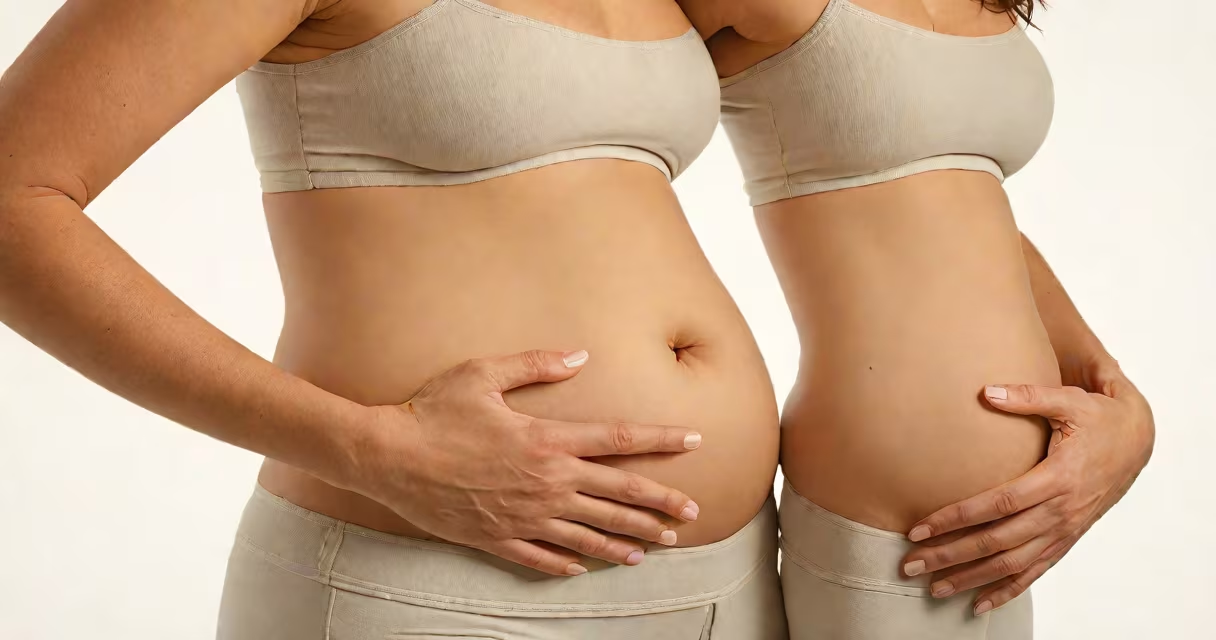
Stomach pain and tender breasts are common physical sensations that often occur together during the luteal phase of the menstrual cycle, primarily due to fluctuating levels of progesterone and estrogen. These symptoms typically appear 5 to 14 days before menstruation begins and resolve once bleeding starts.
They result from hormonal shifts that prepare the body for potential pregnancy. Progesterone thickens the uterine lining and increases fluid retention, which can cause bloating and cramping in the lower abdomen. Estrogen and progesterone also stimulate breast tissue growth and sensitivity, leading to swelling and tenderness. These changes are normal in many people with cycles.
According to the American College of Obstetricians and Gynecologists (ACOG), up to 75% of people who menstruate experience some form of premenstrual symptoms, including breast tenderness and mild abdominal discomfort. The combination of both symptoms is especially common in the week before a period, though they may also appear during early pregnancy or due to other underlying conditions.
Progesterone rises sharply after ovulation and remains elevated through the luteal phase. This hormone slows digestion, increases water retention, and promotes breast tissue development. As a result, bloating and pressure in the lower abdomen contribute to stomach pain. Progesterone also sensitizes nerve endings in breast tissue, making them more reactive to touch.
Estrogen levels peak just before ovulation and then drop slightly after. This dip may trigger mood changes and physical sensitivity. A 2021 study published in Frontiers in Endocrinology found that individuals with premenstrual syndrome (PMS) show heightened sensitivity to hormonal fluctuations, particularly in breast and abdominal tissues.
These effects are not uniform. Some people report sharp, cramp-like pain in the lower abdomen, while others feel dull pressure or bloating. Breast tenderness may range from mild soreness to intense pain that worsens with movement or clothing pressure.
The most frequent causes of stomach pain and tender breasts fall into three categories: cyclical, pregnancy-related, and non-cyclical. Cyclical symptoms are predictable and tied to the menstrual cycle. Pregnancy-related changes occur due to rising human chorionic gonadotropin (hCG) and progesterone. Non-cyclical triggers include stress, dietary factors, and certain medications.
| Type | Timing | Key Triggers | Typical Duration |
|---|---|---|---|
| Cyclical (PMS) | 5-14 days before period | Hormonal fluctuations, fluid retention | 3-7 days |
| Pregnancy-related | Weeks 1-6 post-conception | hCG, progesterone, breast tissue growth | Continues until 12 weeks |
| Non-cyclical | Irregular | Stress, caffeine, high-sodium diet, thyroid issues | Variable |
One non-obvious distinction: breast tenderness caused by PMS usually affects both breasts symmetrically and feels heavy or swollen. Pain from fibrocystic changes or breast cysts may be localized and sharp. Stomach pain from PMS is typically cramp-like and centered in the lower abdomen, unlike gastrointestinal issues such as irritable bowel syndrome (IBS), which often involve alternating diarrhea and constipation.
A 2020 review in Journal of Women's Health noted that people with PMS are more likely to report bilateral breast tenderness and diffuse abdominal discomfort compared to those with non-hormonal digestive disorders.
While stomach pain and tender breasts are often benign, they can indicate pregnancy, hormonal imbalances, or rare conditions like endometriosis or mastopathy. If symptoms begin abruptly, persist beyond the expected cycle window, or worsen over time, medical evaluation is advised.
Red flags include severe, one-sided abdominal pain, fever, abnormal vaginal discharge, or breast lumps. These may suggest ectopic pregnancy, pelvic inflammatory disease, or breast cancer. The National Cancer Institute reports that breast tenderness is not a typical early symptom of breast cancer, but new or changing lumps require prompt screening.
I once observed a patient who reported persistent breast tenderness and stomach pain lasting over two months. Initial testing showed no pregnancy, but a pelvic ultrasound revealed ovarian cysts. After treatment, symptoms resolved. This case illustrates how overlapping symptoms can mask underlying issues.
Stomach pain and tender breasts are frequently mistaken for food intolerance, anxiety, or early pregnancy. However, timing and pattern help differentiate them.
For example, if breast tenderness occurs only in one breast and is accompanied by a palpable lump, it's less likely to be PMS and more likely to be a fibroadenoma or cyst. Similarly, if stomach pain is sharp, localized to the upper right quadrant, and worsens after eating fatty meals, it may indicate gallbladder disease rather than hormonal bloating.
Another key difference: PMS-related symptoms subside with menstruation. If pain continues or intensifies after bleeding starts, it may indicate endometriosis. A 2019 study in Human Reproduction found that 30% of women with endometriosis report persistent abdominal pain despite regular cycles.
Simple lifestyle adjustments often reduce discomfort. Reducing salt intake decreases fluid retention, easing bloating and breast swelling. Regular low-impact exercise improves circulation and lowers cortisol, which can amplify PMS symptoms. Over-the-counter pain relievers like ibuprofen reduce inflammation and ease cramps.
For persistent or severe cases, healthcare providers may recommend hormonal birth control to regulate cycles and suppress ovulation. A 2022 clinical guideline from ACOG supports combined oral contraceptives as effective for managing PMS-related pain and breast tenderness in eligible patients.
Stomach pain and tender breasts are frequently part of the natural hormonal cycle. They're not always a sign of illness, but they can reflect deeper health patterns. Recognizing the difference between normal fluctuations and warning signs ensures timely care and better long-term outcomes.