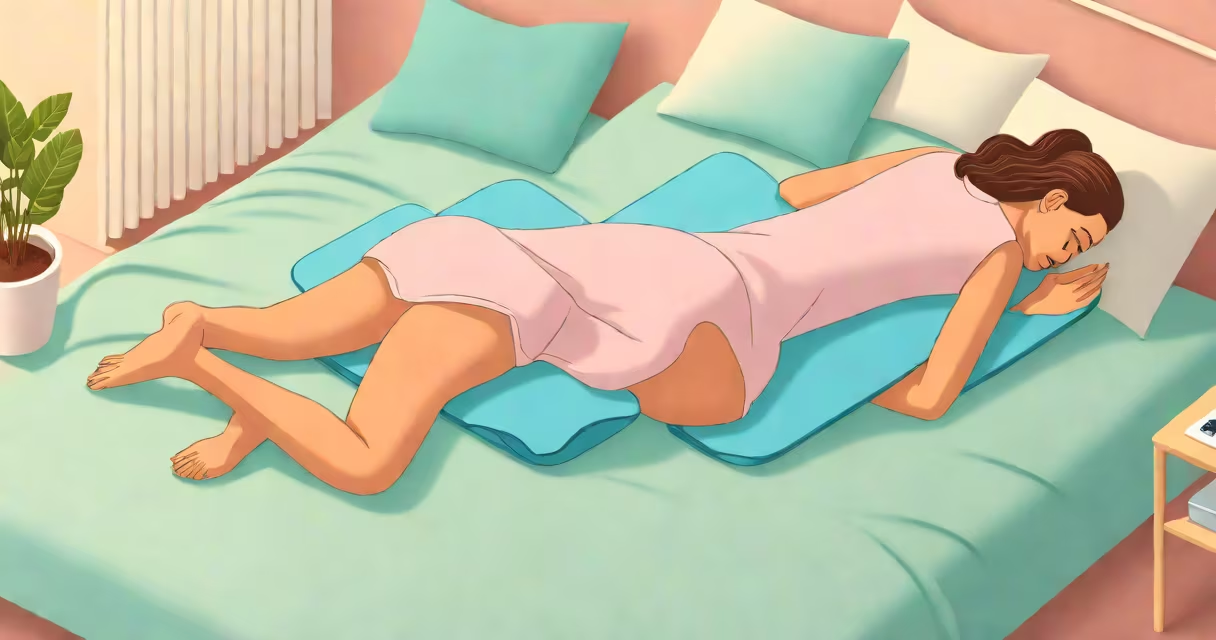
Menstrual back pain results from prostaglandins-hormone-like substances released during your period that cause uterine contractions. These contractions can irritate nearby nerves and trigger muscle spasms in the lower back, leading to localized pain. The sensation often feels like a dull ache or sharp twinge that worsens with movement.
Prostaglandins are produced in the uterus lining as it sheds during menstruation. Levels peak around days 1-3 of your cycle. High levels correlate with stronger contractions and increased pain. A 2020 study published in Frontiers in Pharmacology confirmed that elevated prostaglandin E2 (PGE2) concentrations directly contribute to uterine hypercontractility and referred pain to the lower back and thighs.
Back pain during your period is not just psychological. It's a physiological response driven by neurochemical signals. The spinal nerves in the lower back (L1-L3) receive input from both the uterus and surrounding musculature. When uterine contractions activate these nerves, the brain interprets the signal as back pain-even though the source is internal.
Pain from your period travels along shared nerve pathways. The uterus and lower back share sensory nerves through the autonomic nervous system. When the uterus contracts due to prostaglandins, those signals can be misinterpreted by the brain as originating in the back. This phenomenon is called referred pain-a well-documented mechanism in clinical medicine.
Women with dysmenorrhea (painful periods) report higher rates of back pain than those without. A 2019 survey by the American College of Obstetricians and Gynecologists (ACOG) found that 68% of women aged 18-35 experienced back pain during their period, with 41% describing it as moderate to severe. Pain typically begins within 24 hours of menstrual onset and lasts 2-5 days.
Additional contributors include poor posture during prolonged sitting, reduced physical activity, and dehydration-all common during menstruation. These factors increase muscle tension and reduce blood flow to the lumbar region, amplifying discomfort. For example, sitting at a desk for 8 hours with a slouched spine increases pressure on the intervertebral discs and tightens the erector spinae muscles, which can exacerbate period-related back strain.
Not all back pain during your period is the same. It varies in location, intensity, and duration based on individual physiology and hormone patterns.
| Type | Location | Intensity | Common Triggers |
|---|---|---|---|
| Referred pain | Lumbar spine, below waistline | Mild to moderate | High prostaglandin levels, uterine contractions |
| Myofascial pain | Lower back, sides, buttocks | Moderate to severe | Prolonged sitting, poor posture, muscle tension |
| Radicular pain | Down one leg, near sciatic notch | Sharp, shooting | Nerve compression from muscle spasm or pelvic tilt |
Referred pain is most common and typically resolves as prostaglandin levels drop. Myofascial pain may persist beyond the period if posture habits remain unchanged. Radicular pain-rare but serious-suggests nerve involvement and warrants medical evaluation.
Many assume back pain during your period is "just part of being a woman." That belief underestimates the biological basis of the condition. Back pain is not a sign of weakness or poor fitness. It's a direct result of hormonal signaling and neural cross-talk.
Another misconception is that back pain only occurs with heavy bleeding. But research shows that pain severity correlates more strongly with prostaglandin levels than menstrual flow volume. A 2021 study in Journal of Women's Health found that women with light flow still reported significant back pain if PGE2 levels were high.
Some confuse period back pain with kidney stones or spinal issues. Kidney pain is typically felt in the flank (side of the back, just below the ribs) and may come with nausea or blood in urine. Spinal issues like herniated discs usually cause pain that doesn't fluctuate with the menstrual cycle. If back pain persists beyond your period or worsens with standing, seek evaluation.
Sarah, a 27-year-old teacher, began tracking her symptoms after missing work twice in one month due to back pain. She noticed the pain always started on day 2 of her cycle and lasted 4 days. She recorded a 7/10 on the pain scale during the first 24 hours, especially when bending forward.
She tried heat therapy (a heating pad applied for 20 minutes every 3 hours), over-the-counter ibuprofen (600 mg every 6 hours), and gentle stretching. Her pain dropped to 3/10 after 3 days. She also adjusted her chair height and used a lumbar support cushion at work. After three cycles, she reported a 60% reduction in missed days.
This case illustrates that back pain during menstruation is manageable. It's not inevitable. Interventions targeting inflammation, muscle relaxation, and posture yield measurable relief.
Back pain during your period is normal-but not all back pain is. Seek medical advice if:
Conditions like endometriosis, adenomyosis, or pelvic inflammatory disease can mimic or amplify menstrual back pain. Endometriosis affects about 10% of reproductive-age women and causes deep, persistent pain that may not respond to standard treatments. Diagnosis requires imaging or laparoscopy.
I've treated several patients with undiagnosed endometriosis who initially believed their back pain was "just from the period." Once properly diagnosed and managed with hormonal therapy and targeted physical therapy, their pain resolved. Early intervention prevents long-term complications.
Understanding why your period makes your back hurt empowers you to act. Prostaglandins drive the process, but lifestyle adjustments and medical guidance can reduce suffering. Recognizing the difference between normal cycle-related pain and red-flag symptoms ensures timely care. Addressing back pain during your period isn't optional-it's essential for quality of life.