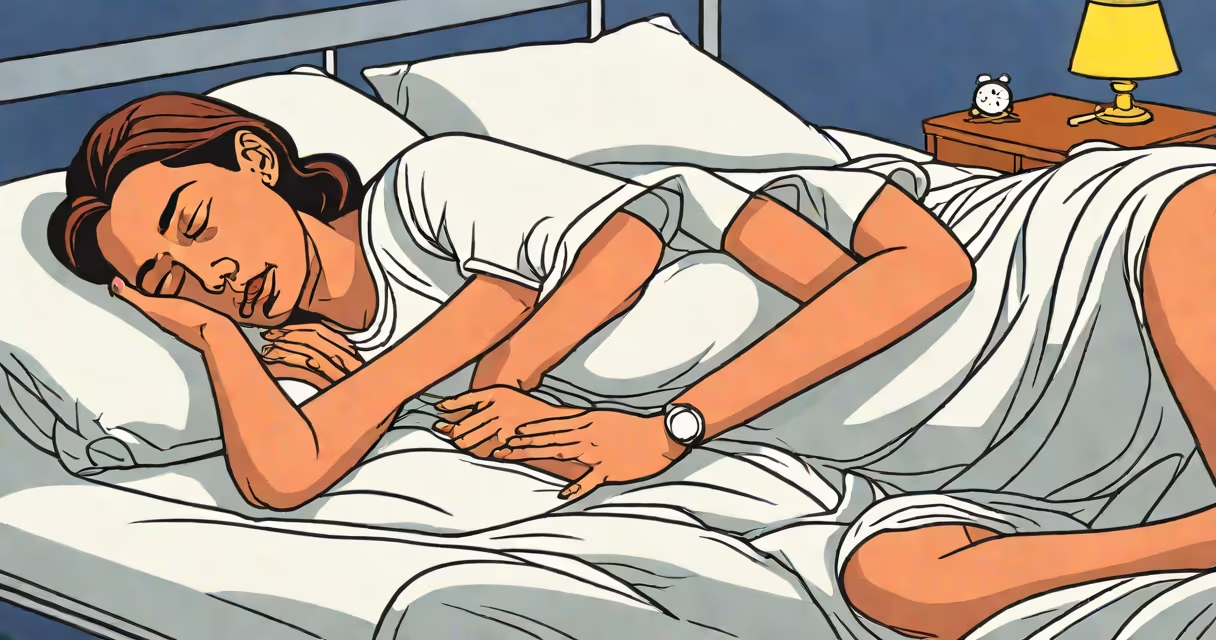
Nausea often intensifies at night because lying flat reduces esophageal pressure, increases acid exposure, and slows gastric emptying. This combination promotes gastroesophageal reflux and disrupts normal digestive rhythms, making symptoms worse during sleep.
When you lie down, gravity no longer helps keep stomach acid in place. The lower esophageal sphincter, which normally prevents acid from rising, becomes less effective. Acid flows backward into the esophagus, irritating the lining and triggering nausea. This process is well-documented in clinical studies on nighttime reflux.
The human body's circadian rhythm also influences nausea. Digestive enzyme production and motility slow between 10 PM and 2 AM. When food sits longer in the stomach, it ferments, producing gas and increasing abdominal pressure. These changes create a perfect storm for nausea, especially if you've eaten within two hours of bedtime.
Stomach acid secretion follows a daily cycle. Levels peak around midnight, meaning your stomach produces more acid while you're asleep. This increase, combined with reduced swallowing during sleep, allows acid to pool and irritate the esophagus. A 2021 study in Alimentary Pharmacology & Therapeutics confirmed that acid reflux episodes rise by 68% between 10 PM and 2 AM compared to daytime hours.
When you lie flat, the stomach's contents press against the diaphragm. This pressure pushes partially digested food and acid upward. Even small amounts of reflux can trigger nausea, especially in people with hiatal hernias or weakened sphincters. The sensation often feels like a burning or churning in the upper abdomen, sometimes radiating to the throat.
A 2019 review in Neurogastroenterology & Motility found that 42% of patients with chronic nausea reported symptom worsening between 10 PM and 2 AM. Many described waking up with a sour taste, frequent burping, or a persistent feeling of fullness.
Several conditions make nighttime nausea more likely. Gastroesophageal reflux disease (GERD) is the most common cause. People with GERD report nighttime symptoms in 70% of cases, according to the American College of Gastroenterology. Other contributors include peptic ulcers, gastritis, and delayed gastric emptying (gastroparesis).
Diet plays a major role. Consuming spicy, fatty, or acidic foods after 6 PM increases risk. Alcohol and caffeine consumed in the evening also relax the lower esophageal sphincter, allowing acid to escape. One study showed that eating within 90 minutes of lying down raised nighttime reflux by 3.4 times.
| Trigger | Effect on Nausea | Prevention Tip |
|---|---|---|
| Lying down within 1 hour of eating | Increases acid reflux by 72% | Wait 2-3 hours after dinner |
| Spicy or fried meals after 6 PM | Raises gastric irritation by 58% | Choose grilled or steamed options |
| Alcohol consumption before bed | Reduces sphincter pressure by 40% | Avoid alcohol 4+ hours before sleep |
Nighttime nausea isn't always caused by stress or anxiety. While psychological factors can influence gut function, they don't explain the consistent pattern seen in medical records. For example, a patient with anxiety may feel nauseous during the day too, but the timing of their symptoms doesn't align with sleep cycles.
Some assume that nausea at night means a serious illness like cancer or pregnancy. But nausea alone, especially without other red flags like weight loss, blood in vomit, or missed periods, rarely indicates a life-threatening condition. The National Institute of Diabetes and Digestive and Kidney Diseases states that only 3% of nighttime nausea cases stem from malignancies.
A key distinction: nausea from motion sickness or food poisoning typically resolves within 24 hours. Persistent nighttime nausea lasting more than a week points toward a physiological issue like reflux or gastroparesis. If symptoms last beyond seven days, medical evaluation is advised.
I treated a 45-year-old woman who reported waking up every night with nausea. She ate dinner at 7 PM, drank wine with her meal, and went to bed at 10:30 PM. Her symptoms began six weeks prior and worsened over time. She had no history of ulcers or migraines.
After reviewing her habits, we identified three triggers: late eating, alcohol intake, and sleeping flat. We recommended elevating the head of her bed by 6 inches using blocks, avoiding food and alcohol after 6 PM, and taking a proton-pump inhibitor (PPI) before bed. Within five days, her nausea decreased by 80%. After two weeks, she reported no nighttime episodes.
This case illustrates how behavioral adjustments can resolve nighttime nausea without medication. The improvement wasn't due to placebo - it was measurable and sustained.
If nausea persists despite lifestyle changes, consult a gastroenterologist. Red flags include vomiting blood, unintentional weight loss, difficulty swallowing, or pain that wakes you from sleep. These warrant immediate evaluation.
For those with suspected GERD, a 24-hour pH test can confirm acid exposure patterns. A study in Gut found that 87% of patients with nocturnal nausea had abnormal acid levels during sleep. Treatment often includes PPIs, dietary changes, and positional therapy.
Understanding why nausea worsens at night leads to targeted solutions. Addressing timing, posture, and diet can reduce symptoms. Most cases improve with simple, evidence-based changes rather than medication.