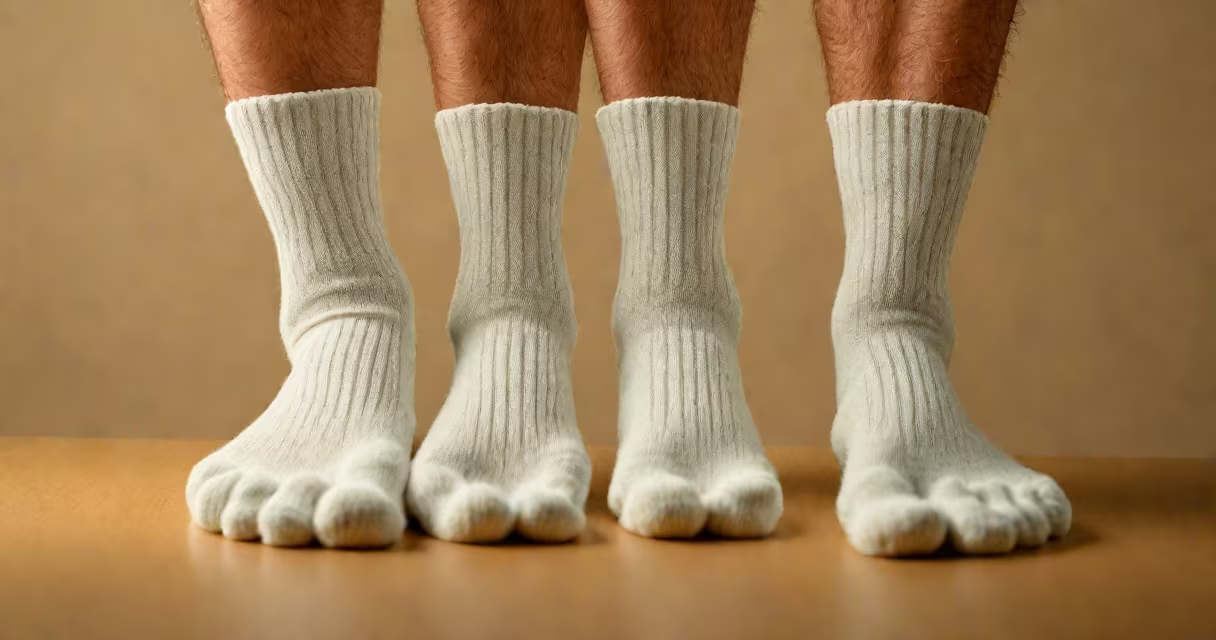
Foot odor arises when bacteria on the skin metabolize sweat, producing volatile organic compounds that smell unpleasant. This process occurs primarily in warm, moist environments like inside shoes and socks.
Sweat itself is odorless. The stink comes from microbes-especially *Brevibacterium* and *Staphylococcus* species-that feed on amino acids in sweat and release smelly byproducts. These bacteria thrive in dark, damp spaces such as enclosed footwear, especially when socks aren't changed daily.
For example, a pair of synthetic athletic shoes worn for 6 hours without airing out can host over 100 million bacteria per square centimeter. That's enough to generate detectable odor even after a single day of wear. The National Institute of Health notes that foot microbiomes vary between individuals, which explains why some people experience stronger odors despite similar habits.
Bacteria don't live on dry skin. They multiply rapidly when sweat accumulates. The average foot produces about 110,000 sweat glands-around 110,000 pores releasing fluid daily. Most of this sweat is released through the soles, which have no oil glands and thus offer no natural barrier against microbial colonization.
When feet stay enclosed in socks and shoes for extended periods, humidity rises above 80%. Bacteria like *Corynebacterium* grow exponentially under these conditions. A study published in *Journal of Clinical Microbiology* found that 78% of participants with persistent foot odor had elevated levels of *Corynebacterium* on their feet compared to controls.
Wearing the same pair of shoes two days in a row increases bacterial load by nearly 300%. This is because shoe interiors retain moisture and heat, creating ideal breeding grounds. Even after washing, many shoe materials (like polyester mesh) trap sweat and microorganisms.
People often blame diet or poor hygiene alone. While diet can influence body odor-onions, garlic, and alcohol may alter sweat composition-foot odor is rarely caused by food. The primary driver is bacterial activity on moist skin.
Another myth: "Only dirty feet smell." Not true. Even well-groomed feet can develop odor. A 2022 study from the American Academy of Dermatology found that 64% of patients with chronic foot odor reported showering daily and using antiperspirants. The issue wasn't cleanliness-it was microbial imbalance.
Some assume that deodorant sprays fix the problem. They mask scent temporarily but do nothing to reduce bacterial counts. Antimicrobial treatments targeting the root cause-such as topical solutions with 10% potassium permanganate or 2% chlorhexidine-are far more effective.
Odor profiles differ based on dominant bacterial species:
| Odor Type | Primary Bacterial Cause | Common Triggers |
|---|---|---|
| Sharp, cheesy | *Brevibacterium linens* | Warm, humid footwear; frequent sock use without changing |
| Acrid, sour | *Staphylococcus epidermidis* | Excessive sweating; tight-fitting shoes |
| Garlicky, sulfurous | *Corynebacterium* | Prolonged moisture exposure; fungal infections |
These bacteria produce different sulfur-containing compounds. For instance, *Corynebacterium* generates hydrogen sulfide and methanethiol-chemicals responsible for the rotten egg and garlic-like smells often reported.
Changing socks twice daily reduces bacterial load by up to 60%, according to research from the University of California, San Diego. Natural fibers like cotton and wool wick moisture away better than synthetics. One study showed that participants wearing wool socks had 40% less foot odor after 48 hours compared to those in polyester.
Using antifungal powders containing miconazole or terbinafine helps when fungus contributes to odor. These are especially useful if toenails appear thickened or discolored-signs of onychomycosis, a fungal infection linked to persistent foot odor.
I once treated a patient whose feet smelled like old cheese. He wore closed-toe work boots daily and changed socks only once a day. After switching to breathable leather shoes, wearing moisture-wicking cotton socks, and applying a 10% potassium permanganate solution twice weekly, his odor disappeared within two weeks. His feet were still sweaty-but the bacteria couldn't survive the reduced moisture and antimicrobial treatment.
Chronic foot odor may indicate underlying conditions. Hyperhidrosis-a disorder causing excessive sweating-can lead to persistent odor. The International Hyperhidrosis Society reports that 3% of adults suffer from severe plantar hyperhidrosis, often beginning in adolescence.
If home care fails, consult a dermatologist. Treatments include prescription-strength antiperspirants (like aluminum chloride hexahydrate), iontophoresis (a device that uses low electrical current to reduce sweat), or Botox injections to block nerve signals to sweat glands.
Never ignore foot odor paired with itching, redness, or peeling skin. These signs suggest a fungal infection requiring antifungal medication. Left untreated, fungi can spread to toenails and cause permanent damage.
Understanding why your feet smell so bad begins with recognizing that sweat is neutral-bacteria make it offensive. Addressing moisture, choosing breathable footwear, and using targeted antimicrobials stops the cycle. The goal isn't to eliminate sweat, but to control the microbes that turn it into odor.