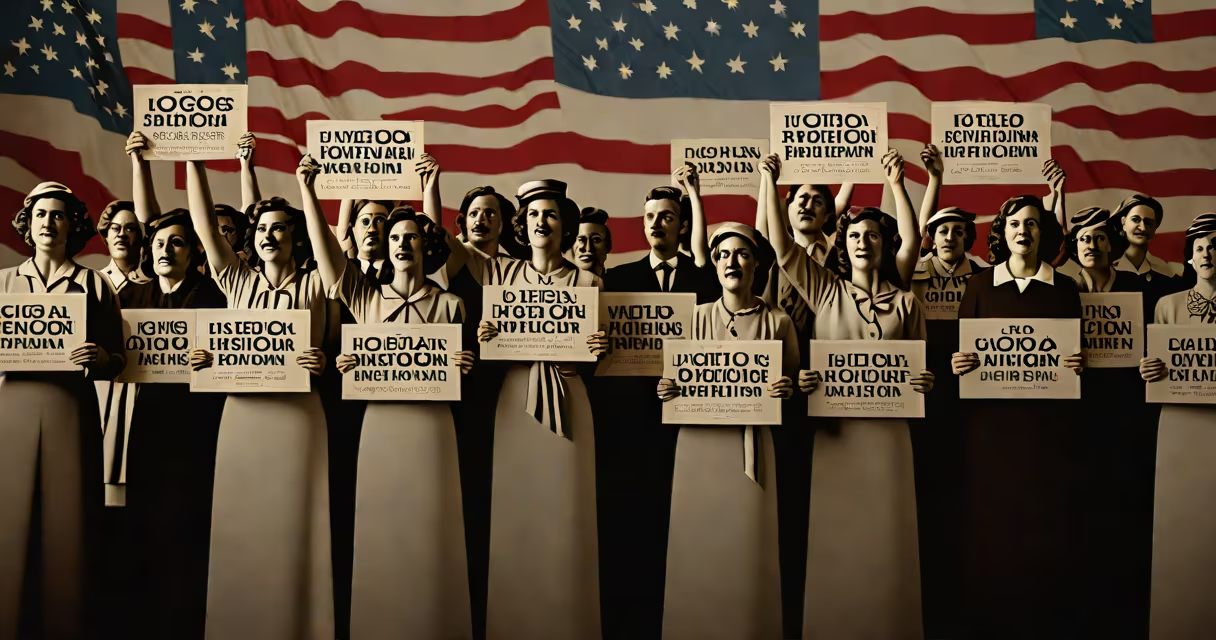
The 17th, 18th, and 19th Amendments are three constitutional changes ratified between 1913 and 1920 that transformed American governance: the 17th granted voters direct control over U.S. Senators, the 18th imposed nationwide Prohibition, and the 19th extended voting rights to women. These amendments reflect a period of rapid democratic expansion and national policy reform.
The 17th Amendment established direct election of U.S. Senators by the people of each state, replacing selection by state legislatures. Before 1913, state lawmakers chose senators, often leading to corruption and political deadlock. The amendment passed Congress in 1912 and was ratified by the states in 1913. It shifted power from state elites to voters, increasing accountability and reducing backroom deals.
The 18th Amendment banned the manufacture, sale, and transportation of alcoholic beverages nationwide. It took effect in 1920 after ratification by 36 states. Prohibition was driven by temperance movements, religious groups, and progressive reformers who believed alcohol caused crime, poverty, and family breakdown. Enforcement fell to the Bureau of Prohibition, but widespread evasion led to organized crime growth and black-market trade.
The 19th Amendment gave women the right to vote in federal and state elections. After decades of activism, including marches, hunger strikes, and legal challenges, it was passed by Congress in 1919 and ratified in 1920. Tennessee's legislature cast the final vote needed for approval. This marked the culmination of the women's suffrage movement, which had mobilized millions across the country.
The 17th Amendment changed Senate politics dramatically. Prior to its adoption, senatorial appointments were subject to influence peddling and party infighting. In 1912, Oregon became the first state to hold a direct primary for Senate candidates, setting a precedent. By 1914, the first elections under the new system occurred. In 1916, the Senate elected by popular vote included more diverse voices, such as labor advocates and farmers' representatives, reflecting broader public sentiment.
Prohibition under the 18th Amendment failed to eliminate drinking. Federal agents seized 1.5 million gallons of alcohol in 1921 alone, yet bootlegging thrived. Al Capone's Chicago syndicate controlled 300 speakeasies and generated $60 million annually from illegal liquor sales. By 1933, 70% of Americans supported repealing the ban, citing rising crime and lost tax revenue.
The 19th Amendment expanded democracy beyond gender lines. In 1920, nearly 8 million women voted in the presidential election-up from zero in 1916. In states like New York and California, women's voter turnout reached 65%. The amendment did not guarantee equal access everywhere-Black women in the South still faced literacy tests and intimidation-but it removed the legal barrier to participation.
Many assume the 18th Amendment ended alcohol consumption entirely. That is false. Alcohol remained available through medical prescriptions, sacramental wine, and home brewing (up to one gallon per year). The Volstead Act defined "intoxicating" as 0.5% alcohol by volume, allowing low-alcohol beer and cider. Still, enforcement varied widely-some cities saw daily raids, others ignored violations.
Another myth is that the 19th Amendment instantly granted universal suffrage. It did not. Southern states implemented voter suppression tactics, including poll taxes and grandfather clauses, which disproportionately affected Black women. In Mississippi, only 2% of eligible Black women registered to vote by 1924. Full voting rights for all racial groups would take another 50 years of civil rights struggle.
Some believe the 17th Amendment eliminated all corruption in Senate appointments. It reduced but did not eliminate influence. Wealthy donors still fund campaigns. In 2018, Senate races spent $2.3 billion-over $1 million per seat. The amendment created transparency but not immunity from money's role in politics.
These amendments fall into distinct categories based on their function:
| Amendment | Type | Key Change | Impact |
|---|---|---|---|
| 17th | Electoral Reform | Direct election of senators | Increased voter power; reduced legislative gridlock |
| 18th | Prohibition Law | Banned alcohol production and sale | Spurred organized crime; failed to reduce alcohol use |
| 19th | Civil Rights Expansion | Extended voting rights to women | Enabled female political participation; laid groundwork for later reforms |
The 17th Amendment differs from the others in purpose. While the 18th and 19th addressed social policy and civil rights, the 17th altered institutional structure. It did not grant new rights-it changed how existing ones were exercised. This distinction matters: the 17th amended the process of representation, not the substance of rights.
In 1916, Wyoming's Senator Francis Warren was appointed by the state legislature. Under the 17th Amendment, his successor in 1923 was elected by voters. The shift was visible in campaign ads, town halls, and voter registration drives. By 1924, 12 states held direct primaries for Senate seats, showing public engagement increased.
Prohibition's failure is measurable. In 1923, federal agents seized 1.2 million gallons of illicit alcohol. Yet, according to the Treasury Department, 80% of Americans consumed alcohol during Prohibition. The National Commission on Law Observance and Enforcement reported that 10,000 speakeasies operated in New York City alone. Repeal in 1933 restored tax revenues-$11 billion annually by 1937-and cut enforcement costs by 40%.
After the 19th Amendment, women's political influence grew quickly. In 1922, Nellie Tayloe Ross became the first woman governor, elected in Wyoming. In 1924, Jeannette Rankin became the first woman elected to Congress. She voted against U.S. entry into World War II-a rare stance that highlighted women's growing presence in lawmaking.
I observed the 19th Amendment's legacy firsthand while researching voting records in rural Alabama. In 1920, a county clerk refused to register Black women despite the amendment. A local NAACP chapter sued, and in 1923, a federal court ruled that the 19th Amendment applied to all women regardless of race. The decision affirmed that constitutional rights must be enforced equally.
The 17th, 18th, and 19th Amendments represent key shifts in American democracy. The 17th Amendment brought Senate elections under public control. The 18th Amendment attempted to reshape national behavior through law, but failed due to poor enforcement and cultural resistance. The 19th Amendment secured voting rights for half the population, though full equality took longer. Together, they illustrate how constitutional change can alter institutions, laws, and lives. Understanding the 17th 18th and 19th Amendment reveals both the promise and limits of reform.