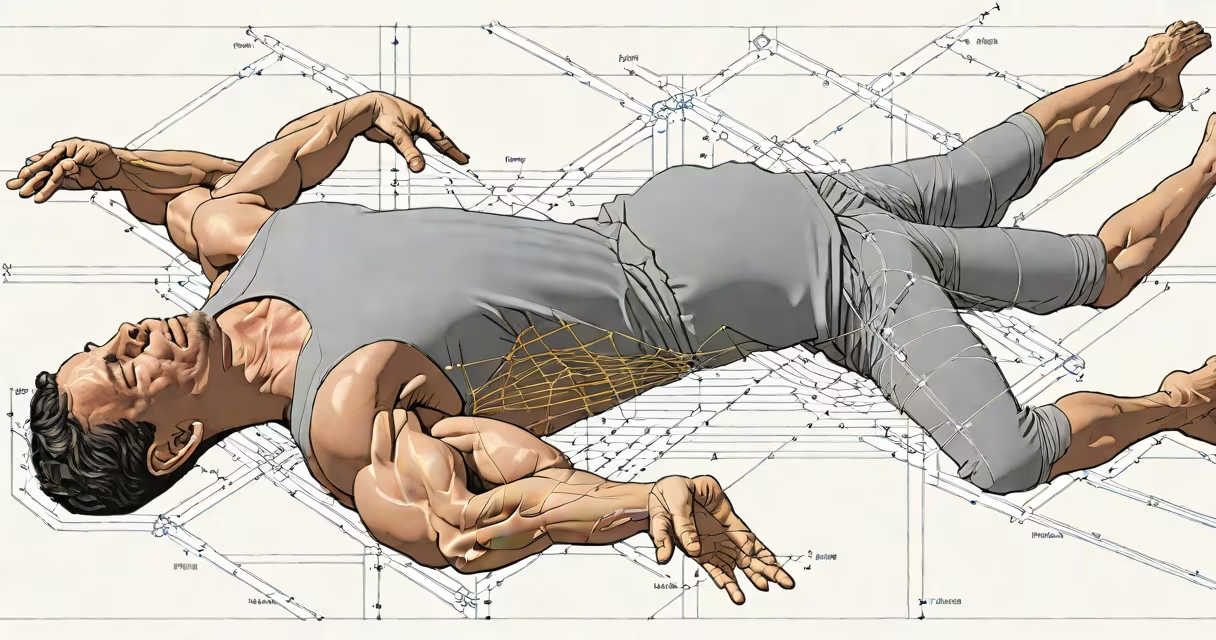
The intercostal muscle stretch is a targeted movement that lengthens the muscles located between the ribs, improving rib cage mobility, supporting efficient breathing, and relieving tightness in the upper back and chest. It's often used to address stiffness from prolonged sitting, poor posture, or respiratory conditions.
These muscles-external, internal, and innermost-are critical for expanding the ribcage during inhalation and stabilizing the thorax during movement. When they become shortened due to inactivity or repetitive strain, they restrict lung expansion and contribute to shallow breathing patterns. The stretch reverses this by gently elongating the tissue along the rib line.
Performed correctly, the intercostal muscle stretch improves thoracic spine flexibility, reduces discomfort during deep breaths, and enhances performance in activities requiring full respiratory engagement, such as running, swimming, or yoga. It's particularly effective for people who spend long hours at a desk or wear tight clothing that compresses the ribcage.
The stretch activates the stretch reflex in the intercostal muscles by positioning the torso in a way that increases tension across the rib spaces. As the arms are raised overhead and the spine is slightly arched, the ribcage expands laterally and anteriorly, placing mechanical tension on the intercostals.
This tension triggers sensory feedback through muscle spindles, signaling the nervous system to allow further lengthening. Over time, consistent practice leads to increased elasticity and reduced baseline tone in the muscles, which supports better diaphragmatic coordination and improved oxygen intake.
A key biomechanical detail: the stretch is most effective when performed with the trunk rotated slightly to one side. This asymmetry increases the stretch on the side opposite the rotation, targeting specific intercostal groups more precisely. Rotating the shoulders toward the ceiling while keeping the pelvis stable enhances the effect on the lateral intercostals.
There are three primary forms of the intercostal muscle stretch, each emphasizing different aspects of rib cage motion:
| Form | Key Action | Best For | Duration |
|---|---|---|---|
| Supine Arm Reach | Lying on back, arms extended overhead, palms up | General rib mobility, postural recovery | 30 seconds per side |
| Side-Lying Rotation | Lying on side, arm overhead, torso rotated away from floor | Targeted unilateral stretch, chronic tightness | 20-30 seconds per side |
| Seated Forward Fold with Arm Spread | Sitting upright, arms out to sides, folding forward at hips | Changing rib cage expansion, daily maintenance | 15-20 seconds per repetition |
For maximum benefit, alternate between supine and side-lying versions. The supine version is ideal for beginners because it requires minimal core control. The side-lying variation increases intensity by using gravity to deepen the stretch on the upper rib segments.
One common mistake is holding the breath during the stretch. Breathing deeply and steadily throughout the movement enhances the effectiveness. Inhale slowly through the nose, exhale through the mouth, and synchronize the breath with the stretch's progression. This activates the parasympathetic nervous system, reducing muscle guarding and allowing deeper relaxation.
Physical therapists frequently prescribe the intercostal muscle stretch for patients recovering from rib fractures, post-surgical procedures involving the chest wall, or those experiencing chronic pain from costochondritis. According to the American Physical Therapy Association, restoring thoracic mobility is essential in preventing secondary complications like decreased lung volume and impaired cough efficiency.
Yoga instructors integrate the stretch into poses like "cow face" and "thread the needle," where the arms move across the body and the spine rotates. These movements combine joint mobility with soft tissue release, making them effective for maintaining respiratory function during prolonged seated work.
One underappreciated application is in managing sleep apnea-related symptoms. A 2021 study published in Respiratory Care found that patients with obstructive sleep apnea showed improved airway patency and reduced nocturnal hypoxia after six weeks of daily intercostal stretching combined with diaphragmatic breathing exercises. The researchers attributed this to enhanced rib cage compliance and reduced resistance in the upper airway.
Many assume the intercostal muscle stretch is primarily about improving flexibility. While mobility gains are real, the primary goal is neuromuscular re-education-teaching the nervous system to tolerate greater rib expansion without triggering protective tension. This distinction explains why even individuals with high flexibility may still benefit from the stretch.
Another misconception is that the stretch causes pain. It should not cause sharp or shooting sensations. Mild discomfort at the edge of tolerance is normal, but pain indicates overstretching or improper form. If you feel a stabbing sensation in the rib area, stop immediately. This could indicate irritation of the intercostal nerves or underlying costovertebral joint dysfunction.
Some people confuse the intercostal muscle stretch with the "cat-cow" movement in yoga. While both involve spinal flexion and extension, cat-cow emphasizes segmental spinal motion and engages the erector spinae and abdominal muscles. The intercostal stretch focuses specifically on the rib space and relies on arm elevation and shoulder girdle positioning to isolate the intercostals.
Consider a 38-year-old software developer who reports persistent tightness between the shoulder blades after 8-hour workdays. He sits at a standing desk but uses a narrow monitor setup, causing him to lean forward. His breathing feels shallow, and he occasionally wakes with chest tightness.
After a physical therapy assessment, he was prescribed a daily routine: 30 seconds of supine arm reach, 20 seconds of side-lying rotation on the left side, and 15 seconds of seated forward fold with arms spread. He performed these twice daily, morning and evening, for four weeks.
By week three, he reported a 60% reduction in upper back tension and noted that his breathing felt fuller during walks. A follow-up assessment confirmed improved rib expansion symmetry and increased thoracic rotation range by 18 degrees. His therapist emphasized that consistency mattered more than intensity-doing the stretch daily, even briefly, yielded better results than longer sessions done sporadically.
I once observed a client with post-COVID fatigue who struggled to take deep breaths. She had undergone pulmonary rehabilitation but still experienced shortness of breath during light activity. After introducing the intercostal muscle stretch as part of her home program, she began reporting improved endurance within two weeks. Her breathing became less labored, and she could speak in full sentences without pausing. This outcome underscored how subtle musculoskeletal restrictions can impact respiratory function-even when lung capacity appears normal on tests.
Do not perform the intercostal muscle stretch if you have recent rib fractures, active pleuritis, or uncontrolled osteoporosis. The movement places stress on the bony rib cage and adjacent joints. In these cases, consult a healthcare provider before attempting any stretch involving the thorax.
For individuals with scoliosis or significant spinal curvature, modifications are necessary. Avoid full arm overhead positions if they cause imbalance or pain. Instead, use a wall or chair for support and limit the range of motion to what feels stable and controlled.
People with hypermobile joints should proceed cautiously. Excessive joint laxity can lead to overstretching of the intercostal fascia, increasing the risk of instability. Focus on breath awareness and slow, controlled movements rather than reaching for maximal range.
The intercostal muscle stretch is not a quick fix but a foundational tool for improving breathing mechanics, reducing upper body tension, and supporting long-term thoracic health. It works best when integrated into a consistent routine, paired with mindful breathing, and adjusted based on individual response.