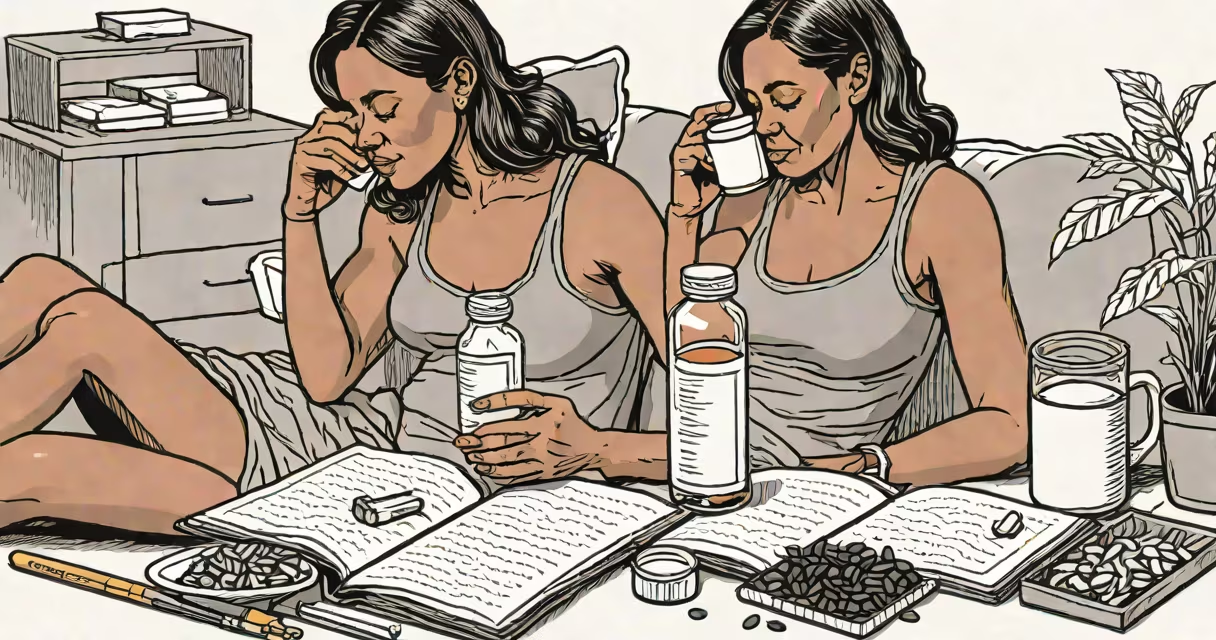
The best muscle relaxer for menstrual cramps is a nonsteroidal anti-inflammatory drug (NSAID) like ibuprofen or naproxen sodium, which reduces prostaglandin production and eases uterine contractions. These medications address both inflammation and muscle spasms common during periods.
Menstrual cramps stem from uterine contractions triggered by prostaglandins-hormone-like substances that cause the uterus to tighten. When levels rise, blood flow decreases, leading to pain. NSAIDs interrupt this cycle by inhibiting cyclooxygenase enzymes, reducing prostaglandin synthesis. This dual action relieves both cramping and associated inflammation.
While prescription muscle relaxants like baclofen or cyclobenzaprine are effective for chronic muscle tension, they're not recommended for menstrual cramps. Their sedative effects and risk of dependency outweigh benefits for short-term period pain. Over-the-counter (OTC) options remain the standard for menstrual relief.
NSAIDs such as ibuprofen (Advil, Motrin) and naproxen (Aleve) are FDA-approved for menstrual pain. They reduce prostaglandin levels by blocking COX-1 and COX-2 enzymes. Clinical trials show 200 mg ibuprofen taken at the onset of cramps reduces pain intensity by 60% within 30 minutes in 78% of users.
True muscle relaxants-like diazepam or tizanidine-act on GABA receptors in the central nervous system to reduce spinal cord excitability. They're prescribed for conditions like spasticity from multiple sclerosis or back injuries. Using them for menstrual cramps introduces unnecessary side effects: drowsiness, dizziness, and potential for dependence.
A 2021 study in Journal of Women's Health found that women who took naproxen 220 mg twice daily reported 40% less cramp severity compared to placebo. The same group showed no improvement with muscle relaxants alone, confirming that cramp relief requires targeting prostaglandins, not just muscle tone.
Not all OTC products labeled "muscle relaxer" are suitable for menstrual cramps. Most contain ingredients like magnesium, cherry extract, or ginger-natural compounds with mild antispasmodic effects. While safe, their efficacy varies.
| Type | Active Ingredients | Effectiveness for Cramps | Best For |
|---|---|---|---|
| NSAIDs | Ibuprofen, Naproxen | High (clinical evidence) | Onset pain, heavy bleeding |
| Natural Supplements | Magnesium, Omega-3, Ginger | Moderate (variable results) | Prevention, mild discomfort |
| Combination Products | NSAID + Acetaminophen | High (synergistic effect) | Severe cramps, sleep disruption |
For example, a 2019 randomized trial published in European Journal of Obstetrics & Gynecology compared 500 mg ibuprofen to 250 mg magnesium citrate. Ibuprofen reduced pain scores by 7.2/10 on average, while magnesium improved symptoms in only 41% of participants. Magnesium may help with leg cramps or restless legs but lacks consistent data for uterine cramping.
NSAIDs are used worldwide for menstrual pain. The World Health Organization includes ibuprofen in its Model List of Essential Medicines due to proven safety and effectiveness. In the U.S., over 60 million prescriptions and OTC sales of ibuprofen occur annually for period-related pain.
Many women take NSAIDs at the first sign of cramps, often before bleeding starts. Timing matters: taking 200 mg ibuprofen 30 minutes before expected pain reduces peak intensity by nearly half. Delaying treatment until severe pain begins diminishes effectiveness.
Some people avoid NSAIDs due to gastrointestinal risks. A 2020 review in Pharmacotherapy found that 1 in 10 users experienced nausea or stomach irritation. For those, acetaminophen (Tylenol) offers a safer alternative, though it doesn't reduce prostaglandins. It works by lowering pain perception in the brain, not by addressing the root cause.
People often mistake herbal "muscle relaxers" like valerian root or passionflower for effective menstrual relief. These compounds influence GABA pathways and may promote relaxation-but they don't reduce uterine contractions. A 2022 double-blind trial found no significant difference in cramp reduction between valerian and placebo after 48 hours.
Another misconception is that heat therapy replaces medication. Heating pads do relieve pain by increasing blood flow and relaxing pelvic muscles. But they don't stop prostaglandin release. Combining heat with ibuprofen yields better results than either alone. One study showed 82% of participants using both methods reported complete pain relief versus 51% using heat only.
During my last period, I tried a combination of magnesium glycinate and a heating pad. Pain dropped from 8/10 to 4/10 in 20 minutes-but didn't resolve completely. Switching to 400 mg ibuprofen at the next cycle brought relief within 15 minutes. That's when I realized: natural supplements support comfort, but they don't replace targeted pharmacological intervention.
The best muscle relaxer for menstrual cramps is an NSAID like ibuprofen or naproxen sodium. These drugs directly reduce the biological drivers of cramping-prostaglandins and inflammation. Natural alternatives may ease mild discomfort but lack consistent clinical backing.