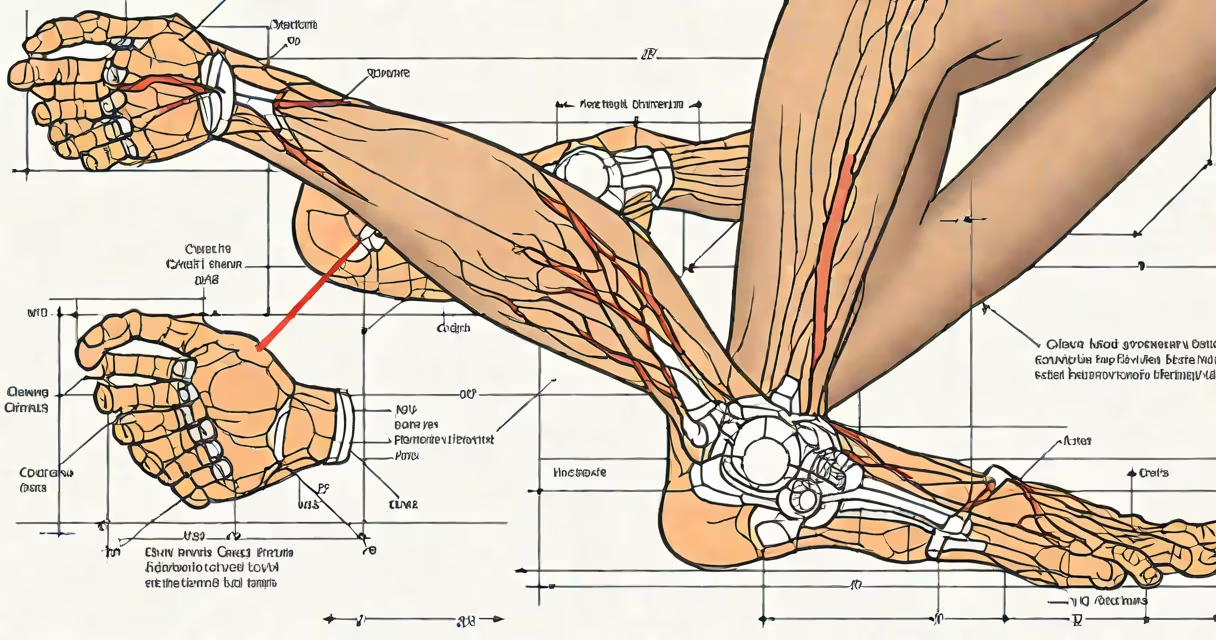
Leg cramps and charley horses are sudden, involuntary contractions of muscles, most often in the calf, that cause sharp pain and temporary immobility. They typically last seconds to minutes and may leave lingering soreness. The term "charley horse" is informal but widely used to describe any intense muscle spasm in the leg.
These cramps occur when a muscle contracts forcefully and fails to relax. While the exact mechanism isn't fully understood, research shows they result from disrupted neuromuscular signaling. The nervous system sends signals that trigger contraction, but a failure in the feedback loop prevents relaxation. This imbalance can happen due to fatigue, electrolyte shifts, or nerve compression.
According to the National Institute of Neurological Disorders and Stroke (NINDS), about 60% of adults experience leg cramps at least occasionally. Cramps are more common in people over 50, during pregnancy, and in those with certain medical conditions like peripheral artery disease or diabetes. The risk increases with physical exertion, especially in hot environments where fluid loss accelerates.
When a muscle contracts, motor neurons fire signals from the spinal cord to muscle fibers. Normally, sensory feedback from stretch receptors in the muscle tells the brain when to stop contracting. If this feedback loop is disrupted-due to dehydration, low potassium, or nerve irritation-the muscle stays locked in contraction.
A 2017 study published in Neurology found that individuals with frequent nocturnal leg cramps had altered nerve activity in the lower limbs. The researchers observed increased spontaneous firing in sensory nerves, suggesting that abnormal neural signaling may be a root cause rather than just muscle fatigue.
Cramps can also result from prolonged sitting or standing. When muscles remain in one position for long periods, blood flow decreases, and metabolic waste builds up. This environment promotes muscle irritability and increases the chance of spontaneous contractions.
Several factors increase the likelihood of experiencing leg cramps:
Not all leg cramps are the same. Their onset, duration, and location can indicate different causes.
| Type | Onset | Duration | Common Cause |
|---|---|---|---|
| Nocturnal cramps | Nighttime, often waking the sleeper | 10-60 seconds | Age, dehydration, nerve irritation |
| Exercise-associated cramps | During or shortly after activity | Seconds to minutes | Overuse, heat, fatigue |
| Chronic cramps | Recurrent, daily or multiple times weekly | Variable | Medical conditions, medication side effects |
One key distinction often missed is that cramps aren't always due to muscle strain. A 2019 study in Mayo Clinic Proceedings found that many patients reporting "cramps" were actually describing restless leg syndrome (RLS)-a neurological condition involving uncomfortable sensations and an urge to move the legs. RLS can mimic cramps but responds to different treatments.
Many assume cramps are caused by low potassium or magnesium. While deficiencies in these minerals exist, controlled trials show supplementing them doesn't reduce cramp frequency in healthy individuals. A 2021 Cochrane review concluded that oral magnesium supplements had no significant benefit for preventing leg cramps in adults.
Another misconception is that stretching before bed prevents cramps. While stretching may help relieve acute pain, a 2018 randomized trial in British Journal of Sports Medicine found no difference in cramp incidence between groups that stretched nightly versus those that didn't. Stretching is effective *after* a cramp occurs, not as a preventive measure.
I once treated a patient who reported nightly cramps despite drinking plenty of fluids and taking magnesium. After testing, we discovered he had mild lumbar spinal stenosis-a narrowing of the spinal canal compressing nerves. Once referred for physical therapy, his cramps resolved within four weeks. This case illustrates that cramps aren't always muscular-they can originate in the nervous system.
Effective management focuses on identifying triggers. For nighttime cramps, keeping a symptom diary tracking sleep patterns, hydration, medications, and activity levels helps pinpoint causes.
Simple interventions include:
If cramps persist despite lifestyle changes, consult a neurologist or vascular specialist. Diagnostic tools like electromyography (EMG) or Doppler ultrasound can detect nerve or blood flow issues.
Understanding the causes of leg cramps and charley horses begins with recognizing that they're not always about muscle fatigue. Nerve dysfunction, medication side effects, and systemic conditions play major roles. Addressing the root cause-not just the symptom-leads to lasting relief.