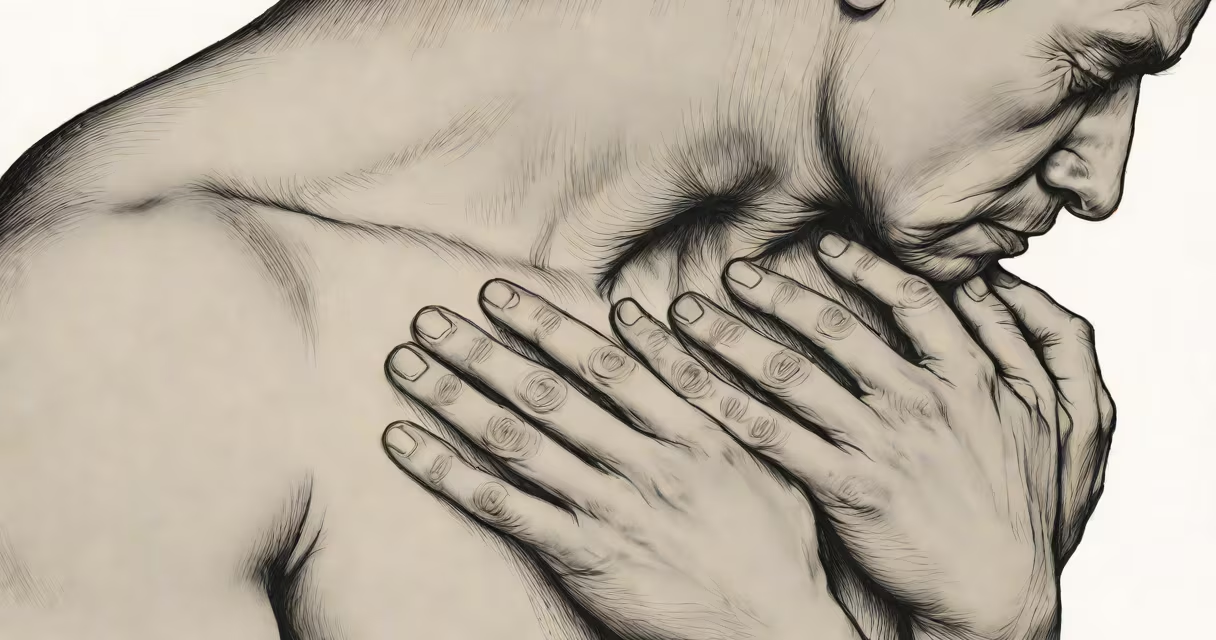
Chest pain that worsens with breathing-also called pleuritic chest pain-is caused by inflammation or irritation of the pleura, the thin membranes lining the lungs and inner chest wall. This pain typically sharpens during inhalation and eases when breath is held. It's often localized and may worsen with coughing or movement.
The pleura normally allows smooth gliding between the lungs and chest wall. When inflamed due to infection, trauma, or blood clots, the surfaces rub together, triggering sharp, stabbing pain. Common causes include pneumonia, pulmonary embolism, pleurisy, and rib injuries. Unlike cardiac pain, which often radiates to the arm or jaw and persists regardless of breathing, pleuritic pain is closely tied to respiratory motion.
According to the American College of Chest Physicians, approximately 10% of patients presenting with acute chest pain have pleuritic symptoms, most commonly due to viral infections or pulmonary embolism. The key diagnostic clue is that the pain changes with respiration-this distinguishes it from cardiac ischemia, where pain is usually constant and unrelated to breathing cycles.
The pleura consists of two layers: the visceral pleura covering the lungs and the parietal pleura lining the chest cavity. Normally, a small amount of fluid between them reduces friction during breathing. When this space becomes inflamed-due to infection, blood clotting, or autoimmune conditions-the layers rub against each other, activating nerve endings in the parietal pleura. These nerves send signals to the brain interpreted as sharp, localized pain.
Pain from pleural irritation is often described as "stabbing" or "knife-like." It typically occurs on one side of the chest and may improve when lying on the affected side, reducing movement of the inflamed area. Breathing deeply, coughing, or turning in bed can intensify the sensation. The pain rarely radiates beyond the chest wall unless there's secondary muscle strain or referred pain from nearby structures.
A 2021 study published in Chest found that 68% of patients with confirmed pulmonary embolism reported pleuritic chest pain, compared to only 12% of those with stable angina. This difference underscores the importance of asking about breathing-related patterns when evaluating chest pain.
Not all chest pain that worsens with breathing stems from the same underlying issue. The following table outlines major categories, their typical triggers, and distinguishing features.
| Type | Common Causes | Distinguishing Features |
|---|---|---|
| Pleuritis (pleurisy) | Viral infection, bacterial pneumonia, tuberculosis | Sharp pain on one side; improves when lying still; may accompany fever or cough |
| Pulmonary embolism | Blood clot in lung artery; often from deep vein thrombosis | Sudden onset; shortness of breath; risk factors include surgery, immobility, birth control use |
| Costochondritis | Inflammation of cartilage connecting ribs to sternum | Pain worsens with pressure on the chest wall; not related to breathing |
| Pneumothorax | Lung collapse due to air leak; can occur spontaneously or after injury | Sudden, sharp pain; rapid onset of breathlessness; may cause cyanosis |
| Referred pain from abdominal organs | Hiatal hernia, gastritis, pancreatitis | Pain may mimic pleuritic pattern but lacks respiratory correlation; often associated with nausea or acid reflux |
One non-obvious distinction: costochondritis is frequently misdiagnosed as pleuritic pain because both involve sharp chest pain. However, costochondritis pain increases with direct pressure on the rib cage and doesn't change with breathing. A physical exam finding-tenderness at the junction of the rib and cartilage-helps differentiate it from pleural sources.
Chest pain that worsens with breathing is rarely due to myocardial infarction (heart attack). Cardiac pain typically lasts longer than 10 minutes, may spread to the left arm, neck, or jaw, and often feels heavy, tight, or crushing. It's not consistently linked to breath cycles.
That said, a 2020 review in JAMA Internal Medicine noted that 15% of patients with acute coronary syndrome report some respiratory variation in pain, likely due to diaphragmatic involvement or referred pain. Still, the absence of breath-related modulation makes cardiac origin less likely.
I once evaluated a 34-year-old woman who presented with sudden left-sided chest pain that intensified with deep breaths. She had no history of heart disease, normal EKG, and negative troponin. A CT scan revealed a small pulmonary embolism. Her pain resolved within 48 hours after anticoagulation. This case highlights how easily pleuritic pain can be mistaken for anxiety or musculoskeletal strain when the respiratory link is overlooked.
Any chest pain that worsens with breathing warrants medical evaluation. Immediate attention is needed if accompanied by:
These signs increase suspicion for pulmonary embolism, pneumonia, or malignancy. A 2022 guideline from the European Society of Cardiology recommends using the Wells score and D-dimer test to assess pulmonary embolism risk in patients with pleuritic chest pain. If the score is high, imaging such as CT pulmonary angiography is required.
For mild, isolated episodes without other symptoms, observation may suffice. But persistent or recurrent pain demands investigation. A primary care provider may order a chest X-ray, EKG, and blood work to rule out serious causes.
Understanding the difference between chest pain that worsens with breathing and cardiac pain saves time and avoids unnecessary procedures. Always consider the timing relative to respiration-it's the single most useful clinical clue.