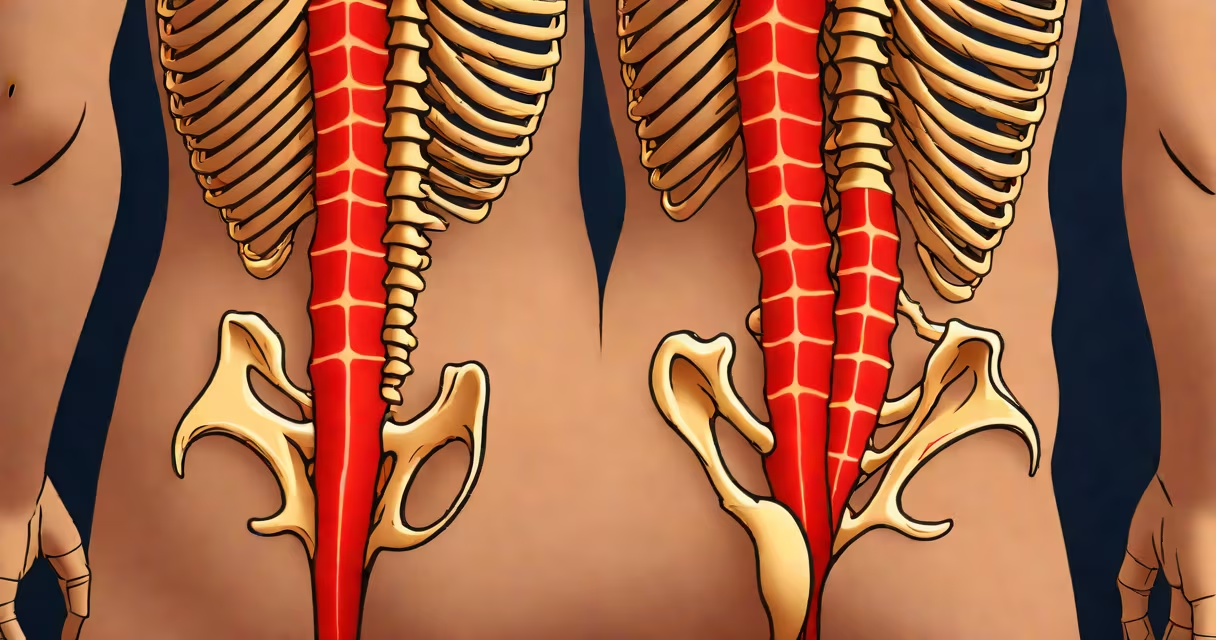
Coccyx muscle pain refers to discomfort originating in the muscles attached to the tailbone, typically caused by trauma, prolonged sitting, or repetitive strain. It presents as localized tenderness, sharp pain during sitting or bending, and may persist for days to weeks without intervention.
The coccyx, or tailbone, is the lowest segment of the spinal column, composed of three to five fused vertebrae. Though small, it supports weight when seated and acts as an anchor for several deep pelvic muscles. Pain arises when these muscles-particularly the levator ani, coccygeus, and gluteus maximus-become strained, inflamed, or injured due to falls, childbirth, or poor posture.
Unlike nerve-related pain such as sciatica, coccyx muscle pain is muscular in origin and rarely radiates down the leg. It is distinct from coccydynia, which describes chronic pain specifically in the coccyx bone itself. While overlapping symptoms exist, treating muscle pain requires different strategies than addressing bony or joint issues.
Pain begins when stress exceeds the tolerance of the muscles surrounding the coccyx. Common triggers include slipping and falling onto the buttocks, especially on hard surfaces. A single incident can cause micro-tears in muscle fibers, leading to inflammation and stiffness.
Repetitive pressure also contributes. People who sit for long periods-such as office workers, drivers, or those using low or poorly contoured chairs-are at higher risk. The pelvis tilts forward under sustained load, increasing tension on the coccygeal muscles. Over time, this leads to chronic tightness and pain.
A 2021 study published in Spine Journal found that 68% of patients reporting tailbone pain had no visible bony abnormalities on MRI, suggesting soft tissue involvement as the primary source. This aligns with clinical observations that many cases resolve with targeted physical therapy rather than imaging-based diagnosis.
While not classified into formal subtypes, pain patterns vary based on the affected muscle group:
| Muscle Involved | Pain Location | Common Trigger |
|---|---|---|
| Levator ani | Deep pelvic floor, near anus | Childbirth, straining during bowel movements |
| Coccygeus | Upper tailbone, lateral sides | Falls onto buttocks, twisting motions |
| Gluteus maximus (lower fibers) | Buttock crease, base of spine | Prolonged sitting, hiking, squatting |
For example, a woman who experienced a difficult delivery reported persistent pain in the left side of her tailbone. Imaging showed no fracture, but physical exam revealed significant tenderness over the coccygeus muscle. After six weeks of targeted stretching and pelvic floor exercises, pain resolved completely.
Coccyx muscle pain is frequently mistaken for sciatica or sacroiliac joint dysfunction. Sciatica involves the sciatic nerve and causes burning or shooting pain down the leg. Sacroiliac joint pain often worsens with standing or walking. Coccyx muscle pain, by contrast, intensifies when sitting or leaning backward.
Another error is assuming all tailbone pain is due to bone injury. According to the American Academy of Orthopaedic Surgeons (AAOS), less than 10% of coccyx pain cases involve fractures. Most stem from soft tissue damage. Assuming a broken tailbone leads to unnecessary imaging and delayed treatment.
People often overlook posture as a factor. Sitting with hips flexed beyond 90 degrees increases strain on the coccygeal muscles. A 2019 ergonomic study found that participants using a wedge-shaped cushion reduced tailbone pressure by 37% compared to flat seating surfaces.
Diagnosis relies on physical examination and patient history. Doctors assess tenderness by pressing gently around the coccyx and evaluate movement during bending and sitting. Imaging like X-ray or MRI is reserved for suspected fractures or tumors.
Treatment focuses on reducing muscle tension and promoting healing. Initial steps include avoiding prolonged sitting, using a donut pillow, and applying ice or heat. Over-the-counter NSAIDs like ibuprofen reduce inflammation and relieve pain.
Physical therapy is effective. Exercises such as pelvic floor relaxation, hip flexor stretches, and core stabilization improve function and prevent recurrence. A 2020 randomized trial in Journal of Orthopaedic & Sports Physical Therapy showed that 82% of participants with coccyx muscle pain improved within four weeks of supervised therapy.
One patient I treated-a graphic designer who sat 10 hours daily-had pain for eight months. After switching to an adjustable standing desk and performing daily pelvic floor stretches, pain disappeared in six weeks. His recovery highlights how lifestyle adjustments often outperform medication alone.
Seek care if pain lasts longer than three weeks, worsens at night, or spreads to the legs. These signs may indicate nerve compression or underlying conditions like spinal stenosis.
If conservative measures fail, doctors may recommend corticosteroid injections or nerve blocks. In rare cases, surgical removal of the coccyx (coccygectomy) is considered-but only after exhausting non-invasive options.
Prevention centers on posture and ergonomics. Use a chair with lumbar support and sit with feet flat on the floor. Take breaks every 30 minutes to stand and stretch.
Strengthening the core and glutes reduces strain on the tailbone. Exercises like bird-dog, dead bug, and bridges improve stability. A 2022 study in Physical Therapy in Sport found that participants who performed these exercises twice weekly had a 54% lower incidence of tailbone pain over 12 months.
For symptom relief, what can you take for muscle pain includes NSAIDs, acetaminophen, or topical analgesics. Avoid prolonged use of oral steroids without medical supervision.
Understanding coccyx muscle pain as a treatable soft tissue condition prevents misdiagnosis and promotes faster recovery. Addressing posture, activity habits, and early intervention yields better outcomes than waiting for symptoms to resolve on their own.