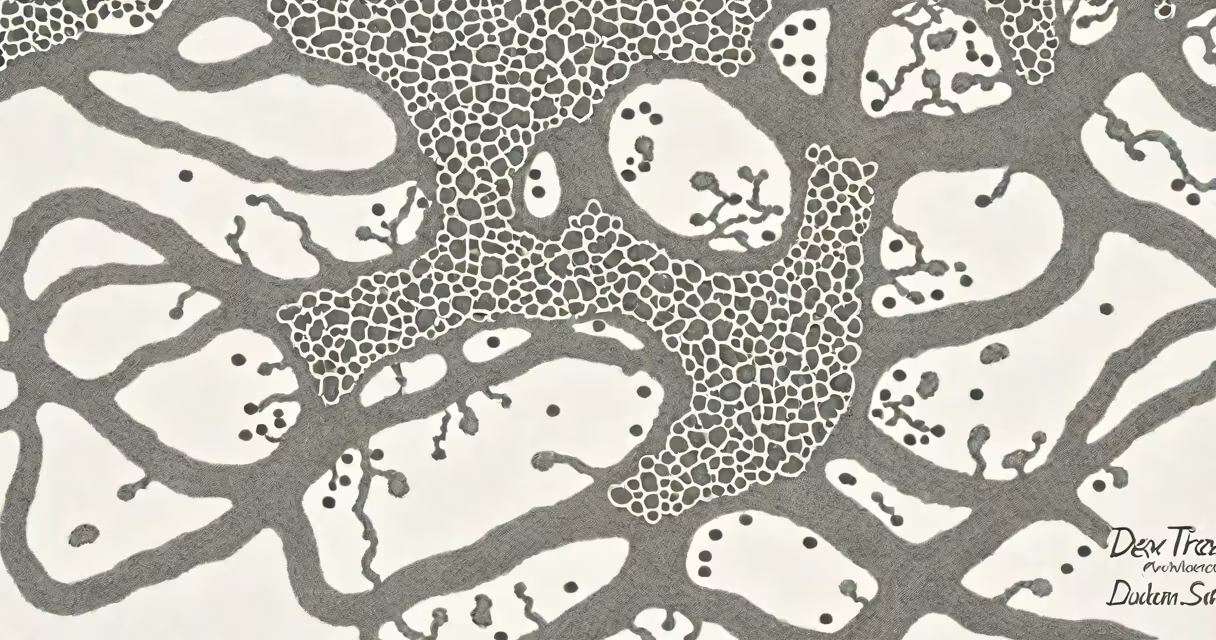
dextran sulfate sodium (DSS) is a synthetic polymer used experimentally to induce colitis in rodents, mimicking key features of human inflammatory bowel disease. It disrupts the intestinal barrier, triggers immune activation, and causes measurable weight loss, diarrhea, and histological damage in the colon.
DSS is a sulfated derivative of dextran, a glucose-based polysaccharide. The sodium salt form enhances solubility in water and biological fluids. Its molecular weight typically ranges between 35,000 and 50,000 Daltons, though researchers select specific grades based on desired severity and duration of colitis. The compound is administered orally via drinking water, allowing direct contact with the colonic mucosa.
When ingested, DSS damages the mucus layer and tight junctions between epithelial cells in the colon. This breach permits bacterial antigens and luminal contents to penetrate the underlying tissue, activating innate immune cells such as macrophages and dendritic cells. The resulting inflammatory cascade includes elevated levels of cytokines like TNF-α, IL-1β, and IL-6, which drive tissue destruction and clinical symptoms.
Researchers use DSS to create reproducible, time-controlled models of intestinal inflammation. A standard protocol involves administering 2-5% DSS solution in drinking water for 5-7 days, followed by a recovery period on regular water. During treatment, animals show reduced body weight, increased stool consistency scores, and visible blood in feces-clinical signs of colitis.
After 7 days, colon length shortens due to edema and thickening of the wall. Histopathological analysis reveals crypt distortion, ulceration, and immune cell infiltration. These changes mirror those seen in human ulcerative colitis, making DSS a valuable tool for testing anti-inflammatory drugs, probiotics, and dietary interventions.
For example, in a 2021 study published in Frontiers in Immunology, researchers used 3% DSS for 5 days to assess the efficacy of a novel probiotic strain. Mice receiving the probiotic showed less colon shortening and lower levels of pro-inflammatory cytokines compared to controls. This demonstrated DSS's utility in evaluating therapeutic candidates under controlled conditions.
DSS is available in different molecular weights and purity levels. The most commonly used variants are:
| Molecular Weight | Typical Use | Onset & Severity |
|---|---|---|
| 35,000-50,000 Da | Standard colitis induction | Moderate onset; stable inflammation |
| 10,000-15,000 Da | Acute, severe inflammation | Faster onset; higher mortality risk |
| High-purity (>98%) | Reduced batch variability | More consistent results across experiments |
Lower molecular weight DSS penetrates deeper into the epithelium and causes faster tissue damage. Higher molecular weight forms remain more in the lumen and cause surface erosion. Researchers choose based on whether they want a mild, chronic model or a severe, acute one.
A common misconception is that DSS acts directly on immune cells. In reality, its primary effect is physical disruption of the epithelial barrier. Immune activation follows secondary to antigen exposure. This distinction matters because therapies targeting immune pathways may fail if the root cause-barrier breakdown-is not addressed.
DSS is primarily used in preclinical research to model inflammatory bowel disease (IBD), including ulcerative colitis and Crohn's-like pathology. It enables rapid assessment of drug candidates, genetic modifiers, and microbiome effects. For instance, DSS-treated mice have been used to test the impact of gut bacteria on inflammation resolution.
Despite its widespread use, DSS has limitations. It does not fully replicate human IBD, which involves complex genetic and environmental interactions. DSS-induced colitis is acute and reversible, whereas human IBD often progresses chronically., DSS affects all parts of the colon uniformly, unlike human disease, which may show patchy or segmental involvement.
Another limitation is variability in response. Genetic background influences susceptibility-C57BL/6 mice develop moderate colitis, while BALB/c mice show stronger inflammation. Age, sex, and diet also affect outcomes. A 2019 study in Journal of Immunological Methods reported that male mice had 30% greater weight loss than females under identical DSS dosing, highlighting the need for sex-balanced experimental design.
Dextran sulfate sodium is sometimes mistaken for dextran sulfate or sodium dodecyl sulfate (SDS). Dextran sulfate is a natural polymer derived from microbial fermentation, while SDS is a detergent used in protein electrophoresis. SDS is highly toxic and cannot be used in vivo. Confusing DSS with SDS leads to flawed experimental designs and invalid conclusions.
Similarly, DSS is not interchangeable with other colitis-inducing agents like oxazolone or trinitrobenzene sulfonic acid (TNBS). TNBS requires sensitization and induces Th1-driven inflammation, whereas DSS promotes a mixed Th1/Th17 response. Using the wrong agent can mislead interpretation of immune mechanisms.
During a pilot experiment in my lab, we initially used 5% DSS in a new strain of mice. Despite correct dosing, no colitis developed. After checking the supplier's certificate of analysis, we discovered the product was actually dextran sulfate, lacking the sodium salt. Replacing it with the correct DSS formulation restored disease phenotype. This underscores the importance of verifying chemical identity.