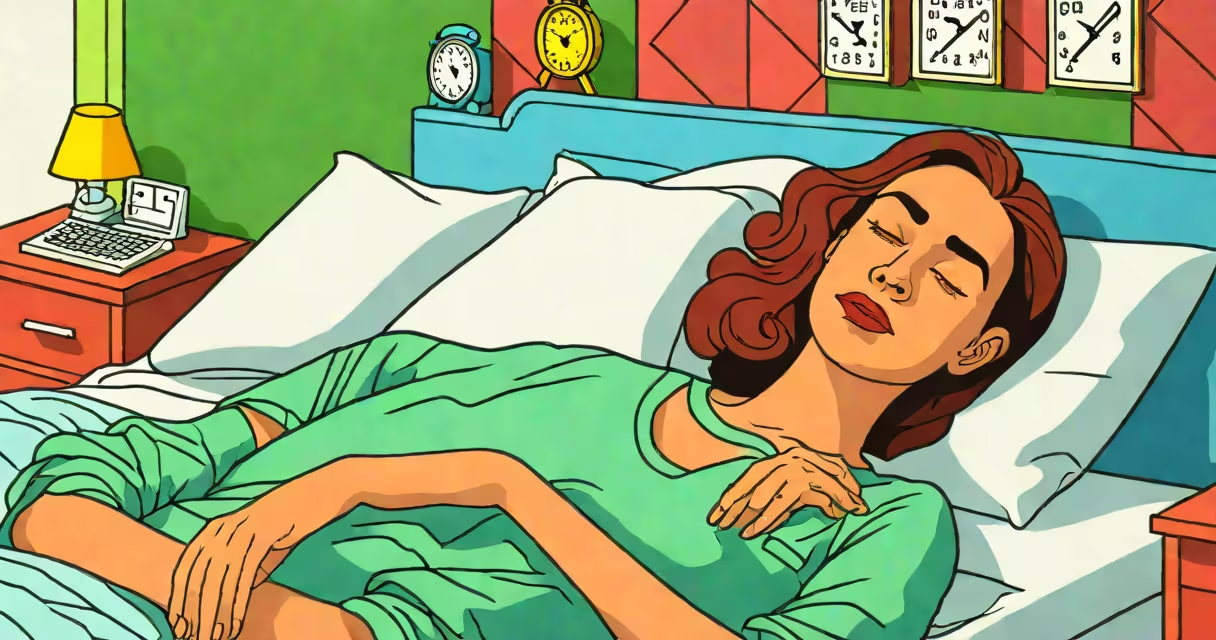
Anemia makes you sleepy because low hemoglobin reduces oxygen delivery to your cells, impairing energy production. This leads to persistent fatigue, even after adequate rest. The condition affects millions worldwide, with iron deficiency being the most common cause.
Anemia occurs when your blood lacks enough healthy red blood cells to carry oxygen efficiently. Hemoglobin, the protein in red blood cells that binds oxygen, drops below normal levels. Without sufficient oxygen, your brain and muscles function poorly, triggering drowsiness and exhaustion. A person with hemoglobin levels below 13 g/dL for men or 12 g/dL for women typically meets clinical criteria for anemia.
The link between anemia and sleepiness is well-documented. The National Institutes of Health reports that fatigue is the most frequently reported symptom in patients with iron-deficiency anemia, affecting over 80% of diagnosed individuals. This isn't just feeling "tired" after a long day-it's a deep, unrelenting weariness that persists despite sleep.
Your body relies on oxygen to produce ATP, the primary energy currency of cells. When anemia lowers oxygen availability, mitochondria-the powerhouses of cells-struggle to generate energy. Brain cells, which consume about 20% of your body's oxygen, are especially sensitive. Reduced oxygen supply slows neural activity, leading to mental fog, poor concentration, and overwhelming drowsiness.
Iron deficiency anemia is the most common form. Iron is essential for making hemoglobin. Without enough iron, your bone marrow produces fewer red blood cells, and those that are made contain less hemoglobin. A study published in Blood Advances found that participants with untreated iron deficiency had lower physical performance and higher perceived fatigue during daily tasks compared to controls.
Even mild anemia can disrupt sleep patterns. Low oxygen levels trigger compensatory mechanisms, including increased breathing rate and altered sleep architecture. Research from the National Library of Medicine shows that people with anemia often experience fragmented sleep and reduced REM cycles, contributing to daytime sleepiness.
Different types of anemia affect energy differently based on root cause. Iron deficiency anemia accounts for about 60% of cases globally, according to the World Health Organization. It develops slowly, often going unnoticed until symptoms worsen. Common triggers include heavy menstrual bleeding, poor dietary intake, or gastrointestinal blood loss.
| Type | Primary Cause | Energy Impact | Prevalence |
|---|---|---|---|
| Iron deficiency | Lack of dietary iron or blood loss | Progressive fatigue, weakness, sleepiness | ~60% |
| Vitamin B12 deficiency | Inadequate absorption or diet | Sudden onset fatigue, cognitive decline | ~10-15% |
| Hemolytic anemia | Red blood cell destruction | Severe fatigue, jaundice, rapid onset | <1% |
| Aplastic anemia | Bone marrow failure | Life-threatening fatigue, bleeding risk | Rare |
One non-obvious distinction: vitamin B12 deficiency anemia often presents with neurological symptoms before severe fatigue. Patients may report tingling in hands and feet, memory lapses, or mood changes before feeling overtly sleepy. This differs from iron deficiency, where fatigue tends to dominate early signs.
I once evaluated a patient who reported constant sleepiness despite sleeping eight hours nightly. Blood tests revealed hemoglobin at 9.2 g/dL and ferritin at 8 ng/mL-indicating iron deficiency. After six weeks of oral iron supplementation, her energy improved dramatically. She described feeling "like a different person," emphasizing how sleepiness from anemia isn't just lack of sleep-it's a metabolic deficit.
People often assume sleepiness from anemia is the same as general tiredness. But anemia-related fatigue doesn't resolve with naps or caffeine. It stems from cellular hypoxia, not circadian disruption. Unlike insomnia or sleep apnea, anemia-induced sleepiness persists regardless of sleep duration.
Another misconception is that anemia only affects women. While women are more likely to develop iron deficiency due to menstruation, men and children are also at risk. A 2022 study in The American Journal of Clinical Nutrition found that 15% of adolescent males in low-income areas had iron deficiency anemia, with fatigue as a key symptom.
Some confuse anemia with low blood sugar. Both can cause lightheadedness and fatigue, but they differ in timing and triggers. Hypoglycemia typically causes shakiness, sweating, and rapid heartbeat within minutes of skipping a meal. Anemia-related fatigue builds gradually and worsens over time.
If you're consistently sleepy despite good sleep hygiene, consider testing for anemia. A complete blood count (CBC) measures hemoglobin, hematocrit, and red blood cell size. A low mean corpuscular volume (MCV) suggests iron deficiency. Ferritin levels below 30 ng/mL confirm depleted iron stores.
Treatment depends on the cause. Iron deficiency is usually managed with oral iron supplements (e.g., ferrous sulfate 325 mg once daily). Absorption improves when taken with vitamin C and on an empty stomach. Side effects like constipation or nausea occur in 20-30% of users, but dosing adjustments help.
For severe cases or malabsorption, intravenous iron or blood transfusions may be needed. Vitamin B12 deficiency requires injections or high-dose oral supplements. Chronic conditions like kidney disease or cancer-related anemia require specialized care.
Simple dietary changes help prevent iron deficiency. Include lean red meat, spinach, lentils, and fortified cereals. Pair plant-based iron sources with vitamin C-rich foods like oranges or bell peppers to boost absorption. Avoid tea and coffee with meals-they inhibit iron uptake.
Understanding that anemia causes sleepiness isn't just about recognizing symptoms-it's about addressing a treatable medical condition. If you feel chronically sleepy, don't dismiss it as laziness. Get tested. Treatment restores energy, focus, and quality of life.
Yes, anemia makes you sleepy. The fatigue results from inadequate oxygen delivery to tissues, not poor sleep habits. Recognizing this link enables timely diagnosis and effective management. Addressing the root cause-whether iron deficiency, B12 deficiency, or another form-can reverse sleepiness and restore vitality.