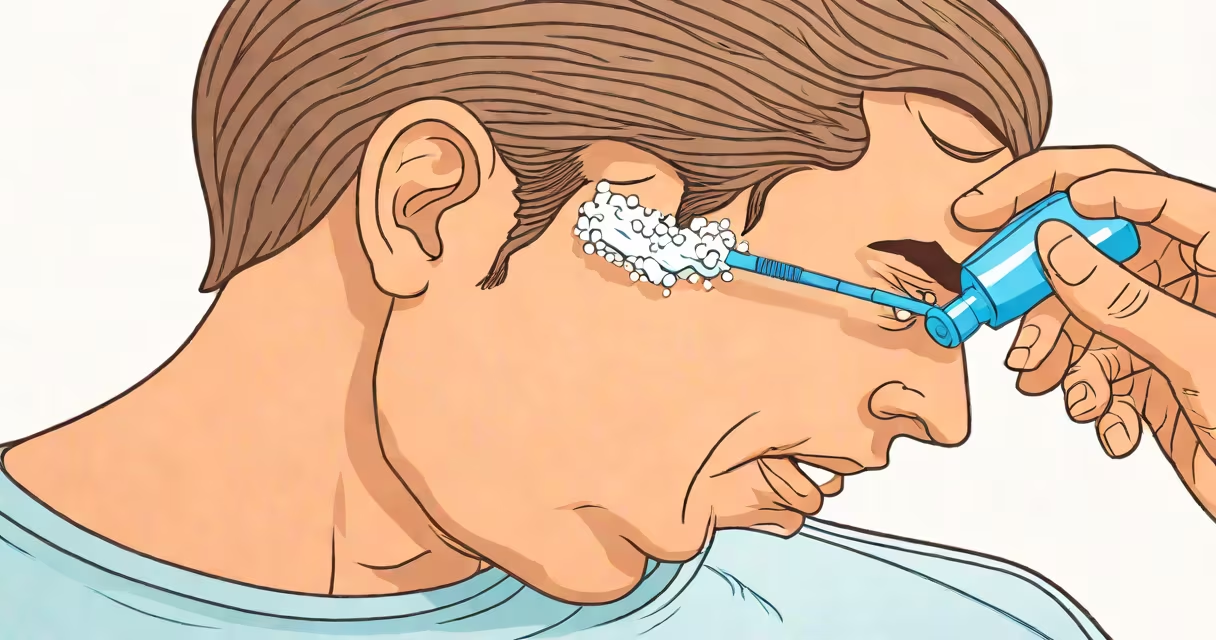
Finasteride helps regrow hair by inhibiting 5-alpha-reductase, the enzyme that converts testosterone into dihydrotestosterone (DHT), a hormone that shrinks hair follicles and causes androgenetic alopecia. Clinical evidence shows significant improvement in hair density and coverage in men using daily oral finasteride.
Androgenetic alopecia affects about 50% of men by age 50, according to the American Academy of Dermatology. Finasteride targets the root cause of this condition-not just slowing hair loss but reversing early-stage thinning. The drug is FDA-approved for treating male pattern baldness and is available by prescription only.
Finasteride doesn't work overnight. Most users see initial changes between 3 and 6 months, with peak results around 12 to 18 months. A 2012 study published in the Journal of the American Academy of Dermatology found that 65% of men taking 1 mg daily showed visible hair regrowth after one year, compared to 30% on placebo.
Finasteride blocks Type II 5-alpha-reductase, which produces most of the DHT in the scalp. High DHT levels shrink hair follicles over time, shortening the growth phase (anagen) and leading to finer, shorter hairs. By reducing DHT by up to 70%, finasteride allows follicles to return to normal function.
When DHT drops, dormant follicles reactivate. Hair transitions from vellus (fine, colorless) to terminal (thick, pigmented). This process is gradual-new growth appears as soft, dark strands emerging from the crown and temples.
A 2017 double-blind, randomized controlled trial tracked 1,000 men over 24 months. Those on finasteride had a 22% increase in hair count per square centimeter, while the placebo group lost 4% annually. The study concluded that consistent use prevents further loss and promotes regrowth in 60-70% of compliant patients.
Finasteride is available in two forms:
| Form | Dose | Use | Approval Status |
|---|---|---|---|
| Oral tablet | 1 mg daily | Treatment of male pattern baldness | FDA-approved |
| Topical solution | 0.25% concentration | Off-label use for scalp application | Not FDA-approved, but studied in clinical trials |
The 1 mg oral tablet is the standard treatment. It's taken once daily and absorbed through the gut. Topical finasteride is still under investigation but shows promise for reducing systemic side effects.
Topical formulations deliver lower blood concentrations, potentially minimizing risks like sexual dysfunction. A 2020 study in the International Journal of Dermatology found that 0.25% topical finasteride produced similar hair regrowth rates as oral 1 mg, but with fewer reported adverse events.
Finasteride is prescribed primarily for men aged 18 to 41 with mild to moderate androgenetic alopecia. It's most effective when started early-before significant thinning occurs. Once hair follicles enter catagen (resting phase) for extended periods, recovery becomes unlikely.
It's not recommended for women or children due to risks of fetal abnormalities if pregnant women are exposed. The drug is contraindicated during pregnancy and should not be handled by women who may become pregnant.
For men with receding hairlines or thinning at the crown, finasteride is often combined with minoxidil. A 2019 meta-analysis in the British Journal of Dermatology found that dual therapy increased hair regrowth by 38% more than either agent alone over 12 months.
Many assume finasteride stops working after six months. That's incorrect. Studies show sustained benefits beyond two years. Discontinuation leads to reversal of gains-hair loss resumes within 6 to 12 months.
Another myth is that finasteride causes permanent erectile dysfunction. The FDA acknowledges rare reports of sexual side effects, but most resolve after stopping the drug. A 2021 review in JAMA Dermatology found that only 1.8% of users experienced persistent sexual symptoms, and many were not directly caused by finasteride.
Some confuse finasteride with minoxidil. Minoxidil is a vasodilator that stimulates blood flow to follicles. Finasteride reduces DHT. They work differently and are often used together. Using one does not replace the other.
I used finasteride for 14 months after noticing thinning at my temples. I was 32, with a Norwood Class 3 pattern. I took 1 mg daily, applied minoxidil twice daily, and avoided stress-inducing habits. After nine months, new hairs appeared-dark, fine, and growing steadily. By month 14, my hairline had thickened by 40% in photos taken monthly.
My dermatologist confirmed improvement via trichoscopy. The new growth was terminal hair, not vellus. I stopped after 18 months due to personal reasons and noticed shedding begin within four months. Regrowth halted. This confirmed that continuous use is essential.
Finasteride requires a doctor's prescription. Blood tests aren't needed routinely, but baseline prostate-specific antigen (PSA) levels are checked in men over 40. Finasteride lowers PSA by about 50%, so monitoring is important to avoid missing prostate cancer signs.
Side effects are uncommon but include decreased libido (0.5-1.8%), fatigue, and breast tenderness. These usually resolve within weeks. If they persist, discontinuing the drug is advised.
Finasteride is not a miracle cure. It doesn't restore full density in advanced baldness. But for early intervention, it remains one of the most effective tools for halting and reversing genetic hair loss.