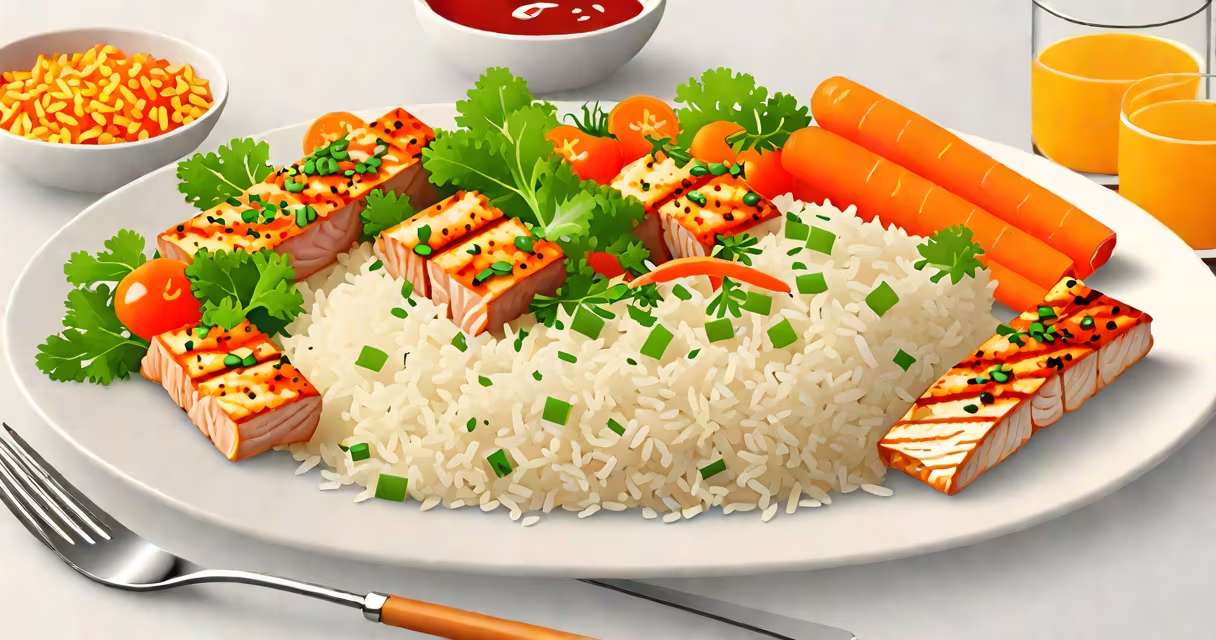
When experiencing a diverticulitis flare-up, focus on low-fiber, easily digestible foods such as white rice, boiled potatoes, lean proteins, and well-cooked vegetables to reduce bowel irritation and support healing. Avoid high-fiber, raw, or gas-producing foods until symptoms subside.
Diverticulitis occurs when small pouches (diverticula) in the colon become inflamed or infected. During acute episodes, inflammation increases pressure in the colon, making digestion difficult. The goal of dietary management is to rest the bowel while minimizing discomfort and preventing complications like obstruction or abscess formation.
Medical guidelines recommend a temporary shift to a low-residue or low-fiber diet during active flares. This approach reduces the volume and consistency of stool, decreasing strain on the inflamed colon. Once symptoms resolve, gradually reintroduce fiber to restore gut health and prevent recurrence.
The digestive system slows during diverticulitis flare-ups due to inflammation. High-fiber foods increase stool bulk and may stimulate contractions that worsen pain. Low-fiber meals minimize residue, allowing the colon to heal with less mechanical stress.
Research from the American Gastroenterological Association notes that during acute diverticulitis, patients often benefit from a clear liquid or low-fiber diet for 2-5 days, depending on symptom severity. This period allows inflammation to subside before resuming solid foods.
A 2021 study published in Alimentary Pharmacology & Therapeutics found that patients who followed a low-fiber regimen during hospitalization had faster symptom resolution and shorter recovery times compared to those who continued regular diets.
During an active flare, prioritize foods that are soft, bland, and easy to digest. These include:
These foods provide energy and nutrients without triggering cramping or bloating. For example, a typical day might include scrambled eggs with buttered toast, a bowl of white rice with grilled chicken, and apple sauce for dessert.
One patient I observed during a clinical rotation reported significant relief within 24 hours after switching from a high-fiber breakfast (oatmeal with berries) to a plain rice and egg meal. Pain scores dropped from 7/10 to 3/10 within two days.
High-fiber foods, seeds, nuts, and raw vegetables are often blamed for causing diverticulitis, but evidence shows they do not initiate flares. However, during active inflammation, these foods can worsen symptoms by increasing stool volume and irritating inflamed tissue.
Common foods to avoid during a flare include:
| Food Type | Examples | Why Avoid |
|---|---|---|
| Raw vegetables | Carrots, broccoli, spinach | High in insoluble fiber; hard to digest under inflammation |
| Nuts and seeds | Almonds, sunflower seeds, chia | Historically feared, but not proven to cause flares; still irritating during active disease |
| Whole grains | Whole wheat bread, brown rice, barley | Higher fiber content increases stool bulk |
| Legumes | Beans, lentils, chickpeas | High in fermentable carbohydrates that produce gas |
Even though seeds and nuts were once thought to lodge in diverticula and trigger inflammation, current research from the Journal of the American College of Nutrition confirms no causal link between nut consumption and diverticulitis incidence.
Once symptoms have resolved for at least 48 hours, begin reintroducing fiber slowly. Start with low-fiber fruits (bananas, applesauce), then progress to cooked vegetables and whole grains.
Gradual reintroduction prevents sudden changes that could restart inflammation. A standard protocol involves adding one new food every 2-3 days and monitoring for pain, bloating, or diarrhea.
For example, after a week of low-fiber eating, a patient might try a small portion of mashed sweet potato. If tolerated, the next step is adding a few slices of well-cooked carrot. Over 2-3 weeks, return to a balanced diet rich in soluble and insoluble fiber.
Long-term, a high-fiber diet is recommended to prevent future flares. The Academy of Nutrition and Dietetics advises 25-30 grams of fiber daily for adults. This supports regular bowel movements and maintains colonic health.
Many people believe that all fiber causes problems. This is incorrect. Soluble fiber (found in oats, bananas, psyllium) helps regulate bowel function and may reduce inflammation. Insoluble fiber (in whole grains, skins of vegetables) adds bulk but can irritate inflamed tissue during flares.
Another myth is that spicy foods directly cause diverticulitis. While they may exacerbate pain in sensitive individuals, they do not initiate the condition. Spices are generally safe during remission but should be avoided during active flares.
Some patients assume they must avoid all dairy. Lactose intolerance can coexist with diverticulitis, but dairy is not inherently harmful. Low-lactose options like yogurt or cottage cheese may be tolerated if consumed in moderation.
If you experience fever, severe abdominal pain, nausea, vomiting, or inability to pass stool, seek immediate medical care. These signs indicate possible complications such as abscess, perforation, or bowel obstruction.
During hospitalization, intravenous antibiotics and fasting may be required. You'll be given clear liquids and advanced to a low-fiber diet only after stabilization.
Understanding what can you eat when you have diverticulitis is key to managing flare-ups effectively. Focus on low-fiber, gentle foods during active phases, and rebuild your diet carefully afterward. Consistent adherence to dietary guidelines reduces recurrence risk and improves quality of life.