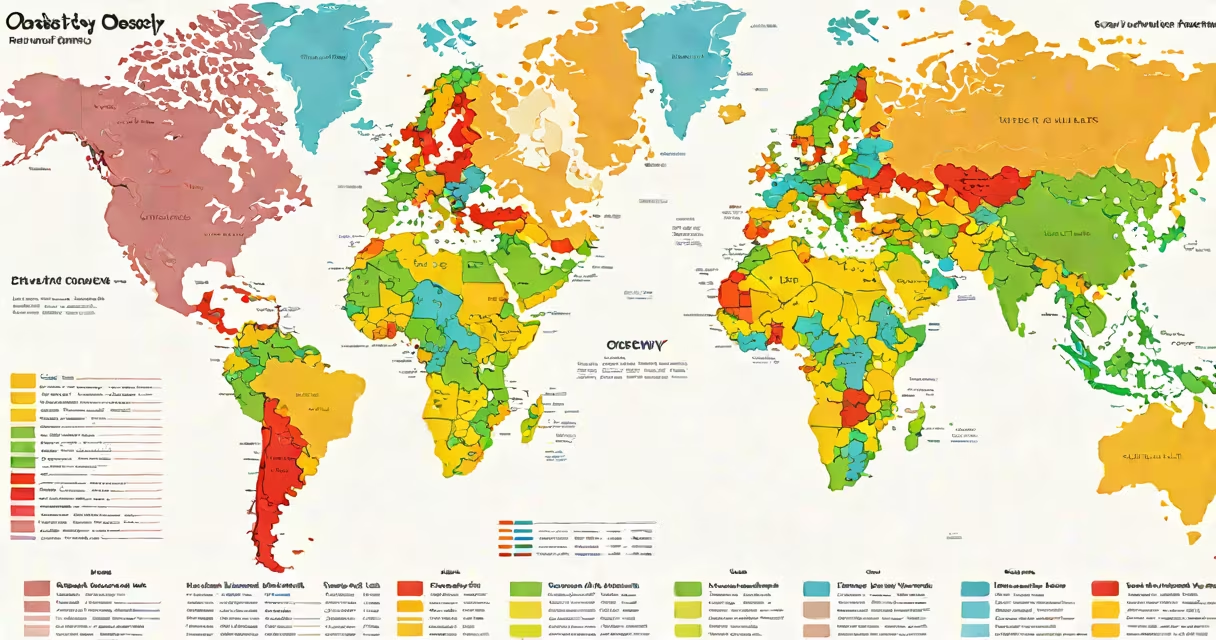
Obesity is a medical condition characterized by excessive body fat accumulation that presents a risk to health. It's diagnosed using body mass index (BMI), with a BMI of 30 or higher classified as obese. The World Health Organization defines it as a chronic disease affecting over 650 million adults globally.
Obesity results from long-term energy imbalance-consuming more calories than the body expends. This imbalance stems from genetic, metabolic, behavioral, environmental, and socioeconomic factors. It increases the risk of type 2 diabetes, cardiovascular disease, certain cancers, and musculoskeletal disorders. The condition is not simply a result of poor willpower but involves complex biological regulation of appetite and fat storage.
According to the CDC, nearly 42% of U.S. adults had obesity in 2020, up from 30.5% in 2000. Globally, the WHO reports that obesity rates have nearly doubled since 1980. These figures reflect shifts in diet, physical activity levels, and food environments rather than individual choices alone.
Body mass index (BMI) is the standard tool for classifying obesity. It's calculated as weight in kilograms divided by height in meters squared. A BMI of 30 or above indicates obesity. While BMI doesn't measure body fat directly, it correlates strongly with fat mass in most populations.
More precise methods include dual-energy X-ray absorptiometry (DXA), bioelectrical impedance analysis, and waist-to-hip ratio. Waist circumference is particularly useful because abdominal fat is linked to higher metabolic risk. For men, a waist measurement over 40 inches (102 cm) and for women over 35 inches (88 cm) signals increased health risks.
Obesity isn't uniform across populations. In the U.S., Black adults have the highest obesity rates (49.6%), followed by Hispanic (44.8%) and White (42.2%) adults. These disparities stem from unequal access to healthy foods, safe spaces for physical activity, and quality healthcare.
Genetics account for 40-70% of obesity risk, according to research published in Nature Reviews Endocrinology. Variants in genes like FTO affect appetite regulation and energy expenditure. However, genetics alone don't cause obesity-environmental triggers are required.
Diet plays a central role. High intake of ultra-processed foods-those high in added sugar, refined grains, and unhealthy fats-drives calorie surplus. The average American consumes 17 teaspoons of added sugar daily, far exceeding recommended limits. Fast food consumption is also linked to rising obesity rates, especially among adolescents.
Sedentary behavior contributes. Adults who sit for more than eight hours a day have a 30% higher risk of developing obesity compared to those who sit less than four hours, per a 2021 study in The Lancet Public Health. Even moderate exercise reduces risk, but most people fail to meet the WHO recommendation of 150 minutes of moderate activity weekly.
Obesity increases the likelihood of developing at least 13 chronic conditions. Type 2 diabetes is the most common comorbidity-over 80% of people with type 2 diabetes are overweight or obese. Insulin resistance develops when excess fat disrupts hormonal signaling in muscle and liver tissue.
Cardiovascular disease risk rises with increasing BMI. A 2022 meta-analysis in JAMA Cardiology found that individuals with severe obesity (BMI ≥40) face a 70% higher risk of heart attack and a 50% higher risk of stroke compared to normal-weight individuals.
Cancer links are increasingly documented. The American Cancer Society reports that obesity is associated with 13 cancer types, including endometrial, kidney, and postmenopausal breast cancer. Fat tissue produces estrogen and inflammatory markers that promote tumor growth.
Many assume obesity is purely a personal failure. This view ignores the role of systemic factors such as food deserts, urban design, and marketing of unhealthy products. In low-income neighborhoods, fresh produce costs 20% more than processed alternatives, making healthy eating harder.
Another myth is that weight loss equals health improvement. Research shows that even modest weight loss (5-10%) improves blood pressure, insulin sensitivity, and joint pain. But weight cycling-repeated weight loss and regain-can increase mortality risk. Sustainable lifestyle changes are more effective than crash diets.
A lesser-known fact: sleep duration directly influences obesity risk. People sleeping fewer than six hours per night have a 30% higher chance of becoming obese. Sleep deprivation alters hormones like ghrelin and leptin, increasing hunger and reducing satiety.
Obesity is categorized by severity based on BMI:
| BMI Range | Category | Risk Level |
|---|---|---|
| 30.0-34.9 | Class I Obesity | Moderate health risk |
| 35.0-39.9 | Class II Obesity | High health risk |
| ≥40.0 | Class III Obesity (Severe or Morbid Obesity) | Very high health risk |
Class III obesity is associated with a 20-year reduction in life expectancy. Bariatric surgery is often recommended for this group due to its effectiveness in achieving sustained weight loss and resolving comorbidities.
Effective interventions focus on modifying environment and behavior. The National Institutes of Health recommends a combination of dietary change, physical activity, and cognitive-behavioral therapy. Programs like the Diabetes Prevention Program reduced new diabetes cases by 58% over three years through lifestyle coaching.
Policy-level actions show promise. Mexico's tax on sugary drinks led to a 12% drop in purchases within two years. Similarly, Chile's front-of-package warning labels reduced sales of high-sugar products by 24%.
I once observed a community nutrition program in rural Mississippi where participants received weekly cooking classes and grocery vouchers. After six months, 60% of participants lost at least 5% of their body weight. The success came not from strict diets but from replacing processed meals with home-cooked, whole-food options.
Obesity is not a personal flaw-it's a multifactorial condition shaped by biology, environment, and policy. The most effective solutions require societal changes, not just individual effort. Understanding the root causes helps reduce stigma and improve outcomes.